Athens classics summit targets modern crises with ancient philosophy
Athens Classics Summit Targets Modern Crises with Ancient Philosophy Athens classics summit targets modern crises - As the world grapples with increasingly

Athens Classics Summit Targets Modern Crises with Ancient Philosophy
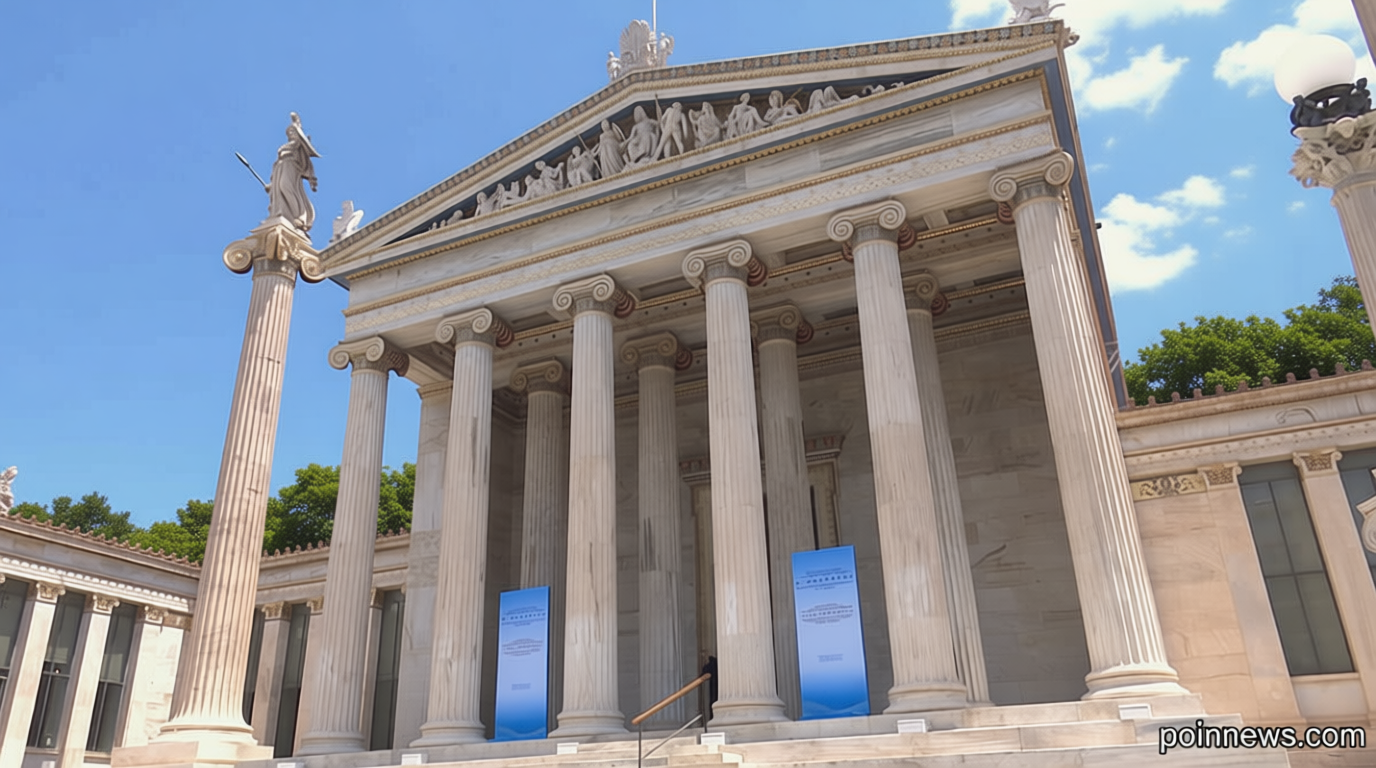
Poinews.com – As the world grapples with increasingly complex challenges such as climate change, political polarization, and economic inequality, the Athens Classics Summit has emerged as a pivotal platform for exploring how ancient philosophical principles can guide contemporary solutions. This event, which brings together over 200 experts from 20 countries, is organized by the Academy of Athens and hosted with the support of state agencies from China and Greece, along with several international academic institutions. The summit’s primary goal is to demonstrate how classical wisdom, drawn from ancient Greek and Roman thought, can provide clarity and direction in addressing modern crises. By bridging historical insights with current global dilemmas, the summit aims to foster a renewed appreciation for philosophical frameworks that have stood the test of time.
The Intersection of History and Innovation
Throughout the two-day gathering, participants delved into the relevance of ancient philosophy in shaping modern policy and technological development. Scholars from diverse disciplines argued that the ethical foundations laid by thinkers like Plato, Aristotle, and the Stoics offer valuable tools for navigating today’s interconnected world. For instance, debates centered on how classical theories of justice and virtue could inform fairer economic systems, while discussions on rhetoric and persuasion highlighted their potential to combat misinformation in digital age politics. The focus keyword “Athens classics summit targets modern” became a recurring theme as attendees emphasized the urgency of integrating these timeless ideas into the fabric of modern governance.
One of the most anticipated outcomes of the summit was the launch of a new initiative called “Illuminating Humanity’s Future with Classical Wisdom.” This project seeks to institutionalize the application of ancient philosophy in public policy by creating a network of researchers, educators, and policymakers dedicated to cross-cultural dialogue. By fostering collaboration between Eastern and Western traditions, the program aims to address the root causes of modern crises, such as the erosion of social cohesion and the overreliance on short-term technological fixes. The summit also underscored the importance of interdisciplinary approaches, with sessions exploring how classical texts on ethics, governance, and human nature can be adapted to contemporary contexts.
Global Collaborations and Cultural Exchanges
The summit’s emphasis on global collaboration was evident in its structure, which featured joint panels and workshops led by experts from both ancient and modern traditions. A notable highlight was the unveiling of the Global Visiting Scholar Program, designed to sustain long-term cultural exchanges and shared research efforts. This initiative will allow scholars from different regions to immerse themselves in the study of classical philosophy, fostering mutual understanding and innovation. The program’s launch marked a significant step toward building a more resilient global intellectual network, one that can respond to the multifaceted challenges of the 21st century.
Participants also highlighted the role of classical philosophy in reimagining education systems. With rising concerns about the fragmentation of knowledge and the prioritization of technical skills over critical thinking, the summit proposed a return to foundational philosophical questions. For example, discussions on the Socratic method emphasized its potential to cultivate analytical reasoning in students, countering the effects of algorithm-driven learning. Similarly, the Stoic concept of “apatheia” (freedom from passion) was revisited as a framework for promoting emotional resilience in individuals and communities. These ideas, though ancient, are increasingly seen as essential tools for personal and societal well-being in an era of rapid change.
As the summit drew to a close, attendees acknowledged the transformative power of classical philosophy in addressing modern crises. By revisiting ancient debates on democracy, justice, and human nature, the event provided a fresh perspective on current challenges. The recurring focus on how “Athens classics summit targets modern” issues through historical lenses sparked a renewed sense of purpose among participants, many of whom expressed optimism about the potential for cross-temporal solutions. The summit also served as a reminder that the wisdom of the past is not a relic but a living resource capable of shaping the future of governance, ethics, and technology.