EU looks to South Caucasus for solutions as von der Leyen holds talks with President Aliyev
lutions EU looks to South Caucasus for solutions - The European Union is intensifying its focus on the South Caucasus as part of a broader strategy to secure

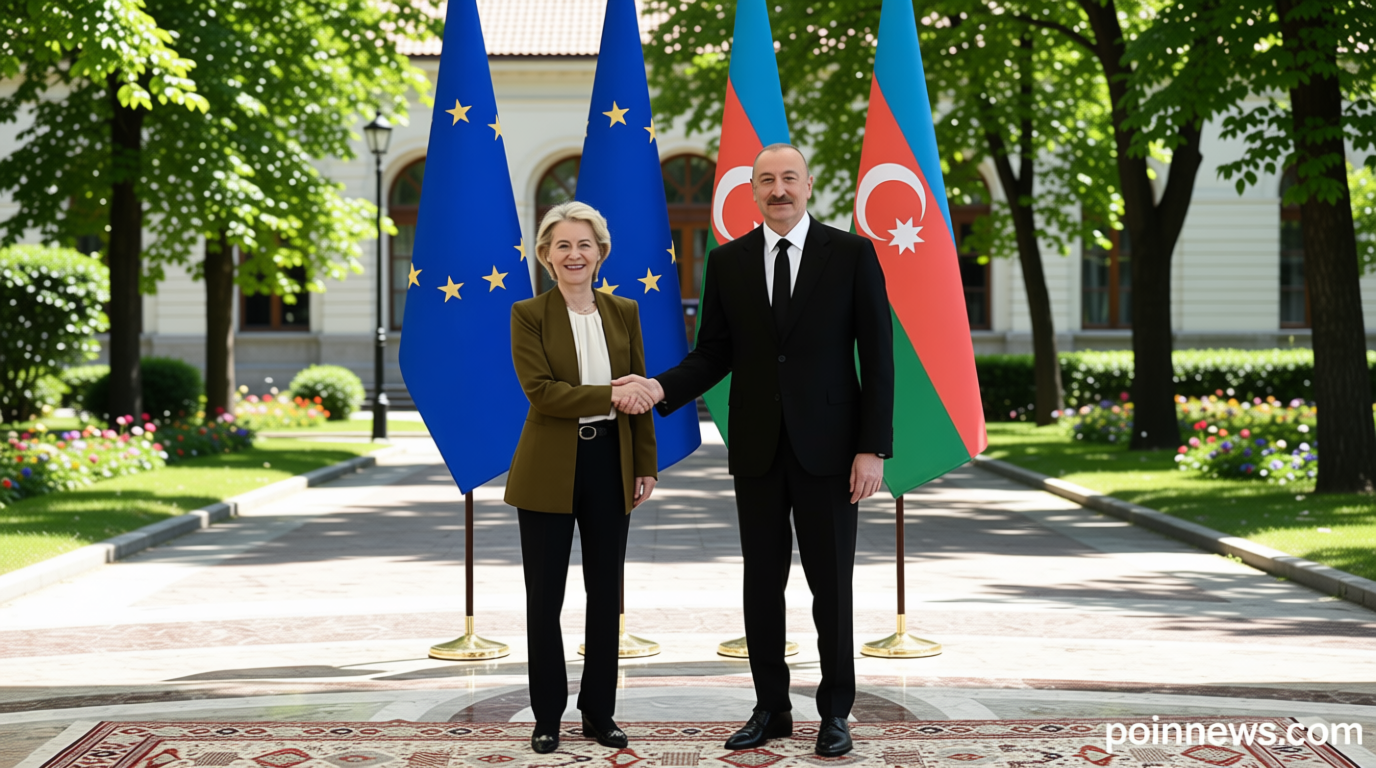
EU Looks to South Caucasus for Energy and Trade Solutions
Poinews.com – The European Union is intensifying its focus on the South Caucasus as part of a broader strategy to secure energy supplies and diversify trade routes. During a two-day visit to Baku, European Commission President Ursula von der Leyen met with Azerbaijani President Ilham Aliyev, underscoring the region’s growing importance in the bloc’s geopolitical and economic plans. This engagement highlights the EU’s commitment to strengthening ties with South Caucasus nations, including Azerbaijan, to ensure stability, enhance infrastructure, and reduce reliance on traditional energy corridors. The talks are expected to lay the groundwork for future cooperation, particularly in addressing the challenges posed by global energy markets and regional conflicts.
Energy Security and Strategic Partnerships
Azerbaijan remains a pivotal player in Europe’s energy landscape, and von der Leyen’s visit emphasized the country’s role in providing a reliable alternative to Russian gas. The leaders discussed the Southern Gas Corridor, a key infrastructure project that transports Azerbaijani natural gas to Europe via Turkey. This initiative not only supports energy security but also aligns with the EU’s Global Gateway strategy, which aims to connect Europe with Asia and the Middle East through transport and digital networks. Von der Leyen reiterated the EU’s appreciation for Azerbaijan’s contributions, noting the strategic importance of maintaining a stable and diversified energy supply.
“Azerbaijan’s energy partnership with the EU has been a cornerstone of our efforts to secure alternative sources in a rapidly changing geopolitical environment,” von der Leyen stated.
The meeting also addressed the broader implications of the EU’s energy strategy, particularly its push to reduce dependence on a single supplier. With Russia’s ongoing conflict in Ukraine, the EU is increasingly looking to the South Caucasus to fill the gap in energy imports. Aliyev highlighted that Azerbaijan’s gas exports now account for a significant share of EU energy needs, with half of its gas reaching European markets. This interdependence underscores the region’s strategic value and the potential for further collaboration in energy and trade.
Regional Stability and Connectivity
Beyond energy, the EU is keen to leverage the South Caucasus as a hub for regional stability and connectivity. von der Leyen’s engagement with Aliyev comes amid ongoing efforts to resolve the Armenia-Azerbaijan conflict and promote peace in the area. The proposed Connectivity Partnership seeks to integrate transport, energy, and digital systems across the region, creating a more cohesive economic and political framework. This initiative is part of a larger EU vision to transform the South Caucasus into a bridge between Europe and Asia, fostering trade and investment opportunities.
“The Southern Gas Corridor is not just a pipeline—it’s a symbol of our shared goals for a secure and connected Europe,” Aliyev added.
Infrastructure development was a central theme of the talks, with both leaders agreeing on the need for investments in transport corridors and digital networks. The EU has pledged €200 million in grants for projects in the South Caucasus, which could attract up to €2 billion in private investment. These funds are intended to support initiatives such as road and rail networks, renewable energy projects, and digital transformation, all of which are crucial for the region’s economic growth. The EU’s emphasis on the South Caucasus reflects its determination to strengthen regional ties and ensure long-term stability.
Broader EU Diplomacy and Economic Implications
The EU’s focus on the South Caucasus is part of a wider diplomatic campaign to secure energy and trade routes in the face of global uncertainties. von der Leyen’s visit followed discussions in Ankara with Turkey’s President Recep Tayyip Erdoğan and Foreign Minister Hakan Fidan, where security, migration, and economic collaboration were key topics. These parallel engagements demonstrate the EU’s strategy to build a resilient network of partners across the region, ensuring access to diverse energy sources and trade opportunities. The South Caucasus, with its strategic location between Europe and Asia, is seen as a vital link in this effort.
Expanding trade routes is another priority for the EU as it looks to the South Caucasus. The bloc is exploring opportunities to increase exports of European goods to the region, particularly in sectors such as machinery, electronics, and agriculture. Aliyev noted that the EU’s support for infrastructure projects could create new markets for Azerbaijani products, including oil and gas, while also enhancing the country’s economic ties with Europe. This dual approach—securing energy supplies and boosting trade—positions the South Caucasus as a key player in the EU’s long-term strategy.
“The EU’s investment in the South Caucasus is a strategic move to ensure both energy security and economic resilience,” von der Leyen said.
With the potential to attract billions in investment, the EU’s initiatives in the South Caucasus are expected to have a lasting impact. The €20 million allocated for peace-building efforts, including demining and support for SMEs, aims to address the region’s challenges while fostering long-term partnerships. As the EU continues to deepen its engagement with the South Caucasus, the focus keyword “EU looks to South Caucasus” will remain central to its messaging, reflecting the region’s growing importance in shaping Europe’s future. This approach not only strengthens bilateral relations but also positions the South Caucasus as a cornerstone of the EU’s global strategy.