Committee tasked with post-war Gaza governance says Cyprus talks ‘highly productive’
Committee Tasked with Post-War Gaza Governance: Cyprus Talks 'Highly Productive' Committee tasked with post war Gaza - The Committee tasked with post war Gaza

Committee Tasked with Post-War Gaza Governance: Cyprus Talks ‘Highly Productive’
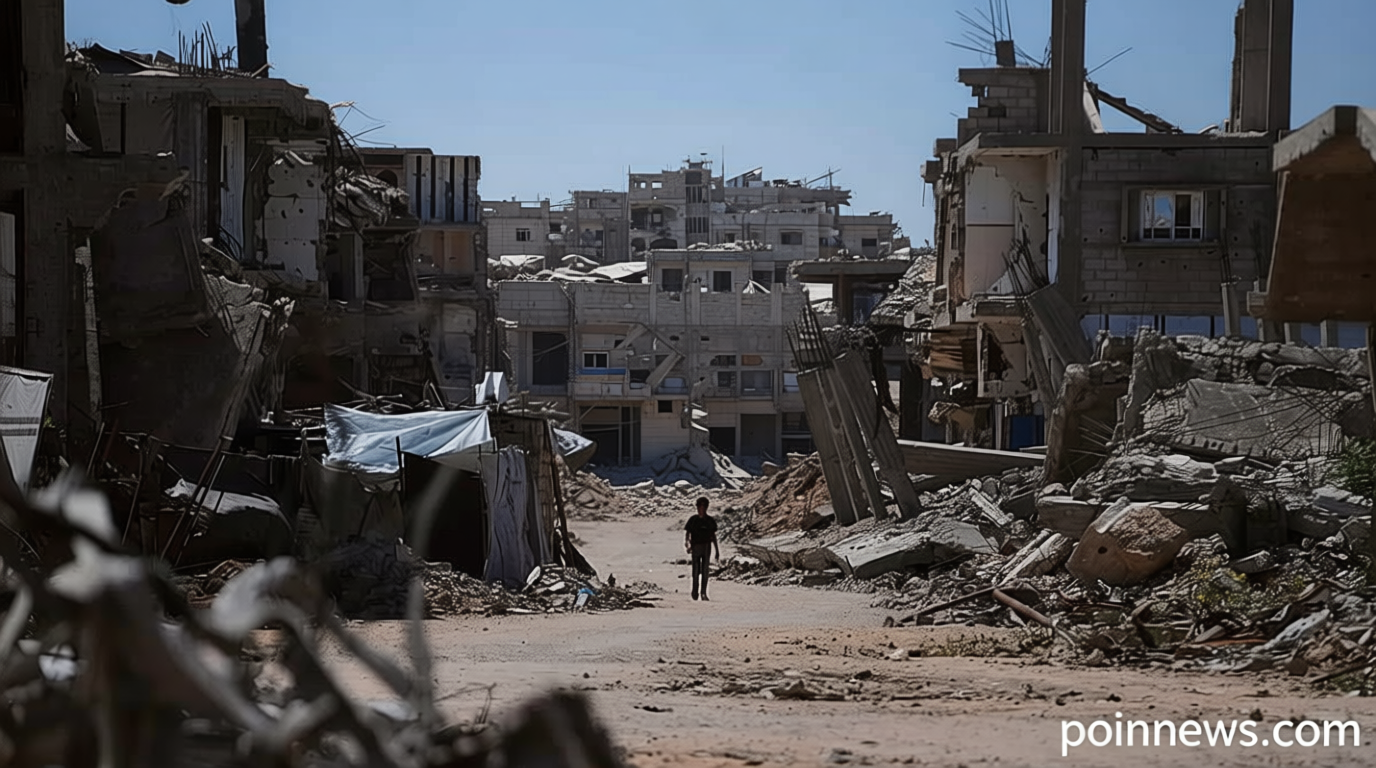
Poinews.com – The Committee tasked with post war Gaza has confirmed that recent discussions in Cyprus marked a significant step forward in shaping the future of Gaza’s governance post-conflict. These meetings, held between key stakeholders, were described as ‘highly productive’ and focused on addressing urgent needs while laying the groundwork for long-term recovery. The National Committee for the Administration of Gaza (NCAG), a critical body overseeing the region’s post-war administration, emphasized collaboration with international experts, including representatives from the Board of Peace and the United Nations, to ensure a structured and transparent approach to rebuilding the territory.
Humanitarian Aid and Governance Frameworks
Central to the Cyprus talks was the immediate relief of the Gaza population, with discussions revolving around the distribution of aid and the establishment of a robust governance system. The committee highlighted the importance of securing resources for displaced families, medical facilities, and infrastructure repair. A key point of agreement was the need to create a transitional framework that would allow for the gradual transfer of administrative control from the current authority to a more inclusive governance structure. This framework aims to integrate international donor support, ensuring accountability and efficiency in the use of funds.
The committee acknowledged the progress made but stressed that additional funding and political commitment will be essential to translate these discussions into tangible outcomes.
Challenges in Mobilizing Support and Ensuring Implementation
Despite the optimistic tone of the meetings, the Committee tasked with post war Gaza admitted that substantial challenges remain. One of the most pressing issues is the delay in securing the necessary financial resources for Gaza’s reconstruction. While member nations have pledged billions, the Board of Peace’s Gaza reconstruction fund has yet to see any actual disbursement. Additionally, the International Stabilisation Force, announced during the initial phase of the initiative, has not been fully realized. Countries that committed troops to the force have not provided consistent support, raising concerns about the feasibility of maintaining security and stability in the region.
The committee also pointed out the complexities of coordinating efforts among multiple international actors. While the UN has endorsed the plan, the involvement of regional powers and donor countries requires careful negotiation. The Committee tasked with post war Gaza remains committed to its role, however, and has called for increased transparency in how aid is allocated and monitored. The group emphasized that without sustained support, the humanitarian crisis in Gaza could worsen, impacting millions of residents.