European Commission seeks further answers over Russia’s participation at the Venice Biennale
European Commission Seeks Answers on Russia’s Venice Biennale Participation European Commission seeks further answers over - The European Commission has

European Commission Seeks Answers on Russia’s Venice Biennale Participation
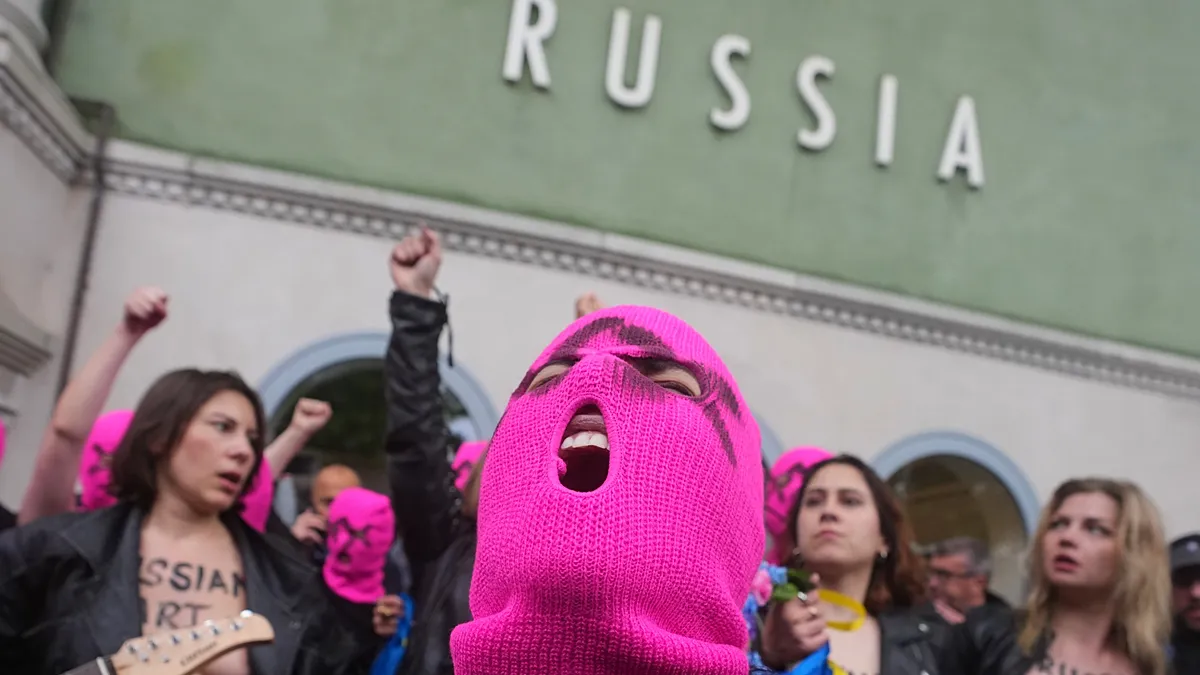
Poinews.com – The European Commission has intensified its scrutiny of Russia’s involvement in the Venice Biennale, sending a third official communication to the Italian cultural organization to demand clarity on its continued participation. This comes as the 61st International Art Exhibition unfolds, with the Commission expressing concerns about the event’s decision to include Russian artists despite the ongoing war in Ukraine. The inquiry follows a series of diplomatic efforts from Brussels to ensure compliance with EU sanctions and trade policies.
Context of the European Commission’s Concerns
Since Russia’s invasion of Ukraine began in February 2022, the European Union has imposed a range of economic and political sanctions aimed at isolating the country. The Venice Biennale, a prestigious global art event, has become a focal point for these concerns. While the exhibition has traditionally welcomed artists from all nations, the Commission argues that Russia’s presence risks undermining European unity and values. The latest letter, dispatched in June, underscores the bloc’s determination to hold the Biennale accountable for its choices.
EU officials have pointed to Article 5n of the EU’s trade regulations, which restricts financial support to entities under the Russian government’s control. Similarly, Article 5t prohibits accepting donations or sponsorships from Russian state actors. The Commission’s emphasis on these articles reflects broader efforts to align cultural events with economic and political sanctions. However, the Biennale has maintained that its inclusion of Russian artists does not violate these rules, citing its adherence to international standards and its role as a neutral platform for artistic expression.
Biennale’s Defense and Russian Responses
In response to the Commission’s demands, the Venice Biennale Foundation has reiterated its commitment to transparency. A spokesperson stated that the organization has provided detailed explanations to EU authorities and is actively reviewing its procedures to ensure compliance. The foundation’s stance is supported by Russian officials, who argue that the event remains an essential platform for cultural exchange and that its decisions should not be dictated by political pressures.
“It is deeply regrettable that the Italian leadership, as well as the management of the Biennale, have become the target of unacceptable and brutal diktats and pressure from the EU,” said Alexey Paramonov, Russia’s Ambassador to Italy. He emphasized that the Biennale’s organizers have the autonomy to decide on participation, regardless of geopolitical tensions. Anastasia Karneeva, head of the Russian Pavilion, added, “Art should remain independent,” and praised the Biennale for its inclusive approach to global culture.
The Commission, however, remains firm in its position. It has given the Biennale a 30-day deadline to address the issues raised, warning that failure to provide satisfactory answers could lead to financial consequences. The €2 million in EU funds allocated for the 2025–2028 period may be at risk if the Biennale does not demonstrate a clear alignment with EU policies. This move has reignited debates about the balance between artistic freedom and political accountability in international cultural events.
Broader Implications for EU-Cultural Ties
The situation highlights the growing tension between the European Union’s political objectives and its cultural diplomacy. The Venice Biennale, which has been a cornerstone of European art since its inception in 1895, now finds itself at the center of a diplomatic dispute. By addressing Russia’s participation, the Commission aims to send a strong message about its stance on the country’s actions in Ukraine and its commitment to enforcing sanctions across all sectors, including the arts.
Artists and cultural institutions are often caught in the crossfire of political decisions, and the Biennale’s case is no exception. While some EU members support strict adherence to sanctions, others argue that cultural collaboration can still serve as a bridge for dialogue. This conflict underscores the complexity of maintaining international relations while upholding economic and political principles. The Biennale’s response will likely shape how future cultural events navigate similar challenges.
As the Venice Biennale continues its run until November 22, the European Commission’s scrutiny adds a layer of political tension to the exhibition. The dispute reflects a broader strategy to use cultural platforms as instruments of influence, ensuring that they reinforce the EU’s values and positions on global issues. With the deadline approaching, the Biennale faces a critical moment that could impact its standing within the European Union and its ability to secure future funding and partnerships.