‘I’ll have to buy new nets’: Killer pufferfish are devastating Crete’s fishing industry
Killer Pufferfish Threaten Crete's Fishing Industry Invasive Species Disrupt Coastal Fishing I ll have to buy new nets - Residents of Crete are grappling with

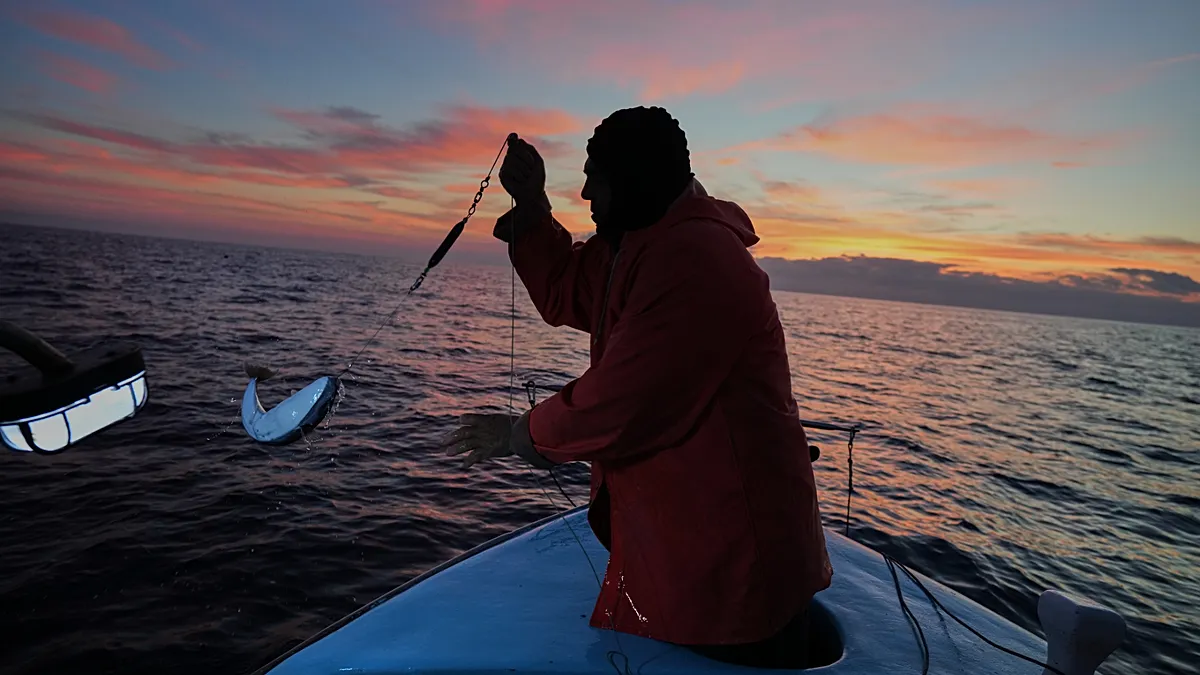
Killer Pufferfish Threaten Crete’s Fishing Industry
Invasive Species Disrupt Coastal Fishing
Poinews.com – Residents of Crete are grappling with a growing crisis as invasive pufferfish, known locally as “Lagocephalus sceleratus,” continue to undermine their traditional fishing practices. The focus keyword “I’ll have to buy new” has become a common refrain among fishermen, who report that their gear is being torn apart by these resilient creatures. The pufferfish, which have spread rapidly through the Mediterranean via the Suez Canal, now pose a significant threat to both marine biodiversity and local economies. Their destructive behavior is not only damaging fishing equipment but also reducing the catch of commercially valuable species, forcing operators to invest in costly replacements.
Local fisherman Alexis Charalampakis, whose livelihood has been severely impacted, shared his experience:
“They ate the fish and cut through the rope. Look at the damage—our nets are useless. After just five days of use, I’ll have to buy new nets.”
His statement underscores the urgent need for adaptive strategies. Scientists and industry experts agree that the pufferfish’s increasing dominance in the region is a direct consequence of their lack of natural predators and rapid reproduction rates. This has led to a situation where fishermen are not only losing income but also facing challenges in maintaining their equipment, with some reporting losses exceeding €8,500 annually per vessel.
Ecosystem Imbalance and Human Health Risks
The pufferfish’s aggressive foraging habits have disrupted marine ecosystems, outcompeting native species for food and habitat. Giannis Giankakis, a veteran fisherman, described the phenomenon:
“It eats anything it finds in its path and does not seem to be threatened by anything, as it has no natural predators among other fish,”
he remarked. This unchecked growth has led to a decline in commercially important fish populations, including species like the European hake and red mullet, which are vital to Crete’s seafood markets. The economic strain is compounded by the toxin present in the pufferfish’s organs, which can cause severe health issues if ingested.
Marine biologist Thekla Anastasiou highlighted the dangers:
“Ingesting the toxin can lead to heart failure and paralysis of the respiratory system. Particular care is required in its handling and consumption,”
she stressed. The toxin, tetrodotoxin, is not only a risk to fishermen but also to consumers, prompting calls for stricter regulations on pufferfish harvesting. Research initiatives are now underway to develop methods for safely removing the toxin, allowing for the utilization of the fish’s biomass in low-risk applications such as fertiliser production. This dual approach of economic and ecological management is seen as critical to long-term sustainability.
Financial Aid and Technological Solutions
To address the mounting challenges, Greek fishermen are advocating for a government-funded subsidy program aimed at assisting with the removal of pufferfish from local waters. The proposal seeks to alleviate the financial burden of replacing damaged nets and gear, which has become a routine expense for many in the industry. According to Lambis Atzarakis, a fisheries expert, the initiative could provide a lifeline to small-scale operators struggling to keep up with the demands of the new ecosystem. “The sea is full of lionfish, pufferfish, and cornetfish—all alien species. Not a single good fish has come through the Suez, only problems,” he explained.
Meanwhile, researchers at the Hellenic Centre for Marine Research (HCMR) are exploring innovative ways to neutralize the tetrodotoxin. Chemist Manolis Mandalakis reported that preliminary studies have demonstrated the feasibility of using chemical treatments to render the toxin harmless. This breakthrough could open new avenues for utilising pufferfish in industries such as agriculture, reducing waste and providing an economic incentive for their removal. Both the scientific community and the fishing industry agree that immediate action is essential to prevent further losses and protect marine life.
As the pufferfish population continues to grow, fishermen are being forced to adapt. Some are experimenting with reinforced nets and alternative fishing techniques, while others are exploring partnerships with researchers to develop more effective solutions. The phrase “I’ll have to buy new” has become a symbol of the industry’s struggle, reflecting the necessity of investing in updated equipment to combat the invasive species. These efforts are not just about survival but also about ensuring that Crete’s fishing heritage can endure in the face of ecological change.
With the Mediterranean’s delicate ecosystems under threat, the situation in Crete serves as a cautionary tale for other regions facing similar challenges. The combined economic and health risks of the pufferfish have prompted calls for international collaboration to address their spread. As the industry adapts, the focus keyword “I’ll have to buy new” remains central to the fishermen’s daily reality, highlighting the urgent need for both technological innovation and policy support to safeguard their future.