IRGC pledges ‘unforgettable lesson’ for US as Iran signals return to talks
IRGC pledges 'unforgettable lesson' for US as Iran signals return to talks IRGC pledges unforgettable lesson for US - Iran's Islamic Revolutionary Guard Corps

IRGC pledges ‘unforgettable lesson’ for US as Iran signals return to talks
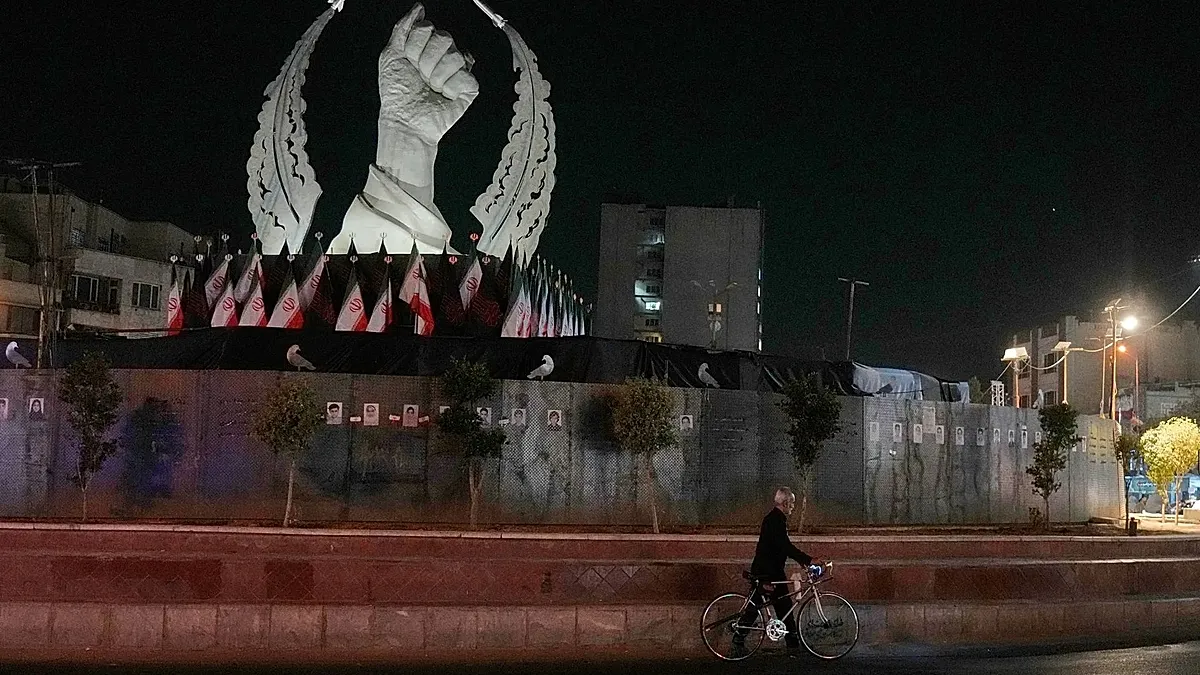
Poinews.com – Iran’s Islamic Revolutionary Guard Corps (IRGC) has vowed to deliver an “unforgettable lesson” to the United States, emphasizing the Ayatollah Mojtaba Khamenei’s directive as a “binding command, a divine covenant, and a clear roadmap.” The declaration coincided with Tehran’s indication that negotiations could resume if its national interests were upheld.
IRGC’s Stance on US Actions
With America’s latest decisions marking another step toward conflict, the IRGC emphasized its commitment to enforcing Khamenei’s vision. “We will deliver, with power, determination, wisdom, and authority, the ‘unforgettable lesson’ you promised,” the group stated. This lesson, they claimed, would deter aggressors from repeating their mistakes and affirm Iran’s steadfast resolve.
“A lesson that will prevent any aggressor from repeating its mistakes, break the ambitions of any aggressor, and record in history the truth of the Iranian nation’s unwavering will.”
Casualties and Military Escalation
Iranian and U.S. forces have exchanged strikes for the ninth consecutive day, resulting in at least three American casualties. Meanwhile, the Health Ministry reported 50 fatalities and over 500 injuries from U.S. attacks on southern Iranian provinces since early July. For the first time, cities like Tabriz and Urmia in the northwestern region were targeted, causing one death and several injuries, according to state sources.
Vessel Incident in Strategic Waters
A Malta-flagged ship caught fire in Omani waters, approximately 15 kilometers northwest of Kumzar. Iranian-aligned media claimed the vessel was transporting Saudi crude oil destined for the U.S., utilizing the southern channels of the Strait of Hormuz. The blaze had not been controlled, leaving the ship adrift without propulsion at the time of reporting.
Diplomatic Pathways Amid Conflict
Despite ongoing military confrontations, Iran’s Foreign Ministry spokesperson, Esmaeil Baghaei, affirmed that diplomatic channels remained open. He noted that intermediaries had communicated with Iran recently, and Interior Minister Eskandar Momeni’s visit to Islamabad was part of Tehran’s response. Momeni, with a background in the IRGC, might be conveying messages from President Masoud Pezeshkian regarding potential peace talks.
Mediation and Interim Agreement
Mediators have proposed a 10-day ceasefire to revive the framework deal, which stalled last week after full-scale hostilities resumed. Baghaei highlighted the dual pillars of diplomacy and military defense in safeguarding Iran’s interests. He pointed to Article 5 of the interim agreement, which grants Tehran a role in discussions about the Strait of Hormuz, without allowing U.S. unilateral military intervention.
“We’re always open to diplomacy. It has to be real. It has to be a deal that they’re willing to live by.”
Leadership Challenges and Resolve
Iranian military officials insist that hostilities must continue until a new deterrence balance is achieved. Brigadier General Akrami-Nia stated, “Rationality dictates that the war should continue until it creates complete deterrence for the Iranian nation.” Parliament speaker and chief negotiator Mohammad Bagher Ghalibaf accused Washington of hypocrisy, noting that U.S. military buildup contradicts its claims of seeking peace.
“The Americans keep bringing new military equipment into the region while claiming they are seeking to end the war.”
Ayatollah’s Silence and IRGC’s Ascendancy
President Masoud Pezeshkian reiterated Iran’s adherence to the framework deal, vowing to defend the country “until the last breath.” Meanwhile, Mojtaba Khamenei, who has been absent from public appearances since the conflict began, dismissed Trump’s interim ceasefire agreement as “worthless and invalid” in a televised message. His prolonged absence has heightened uncertainty in the chain of command, with the IRGC emerging as the central authority in the war effort.