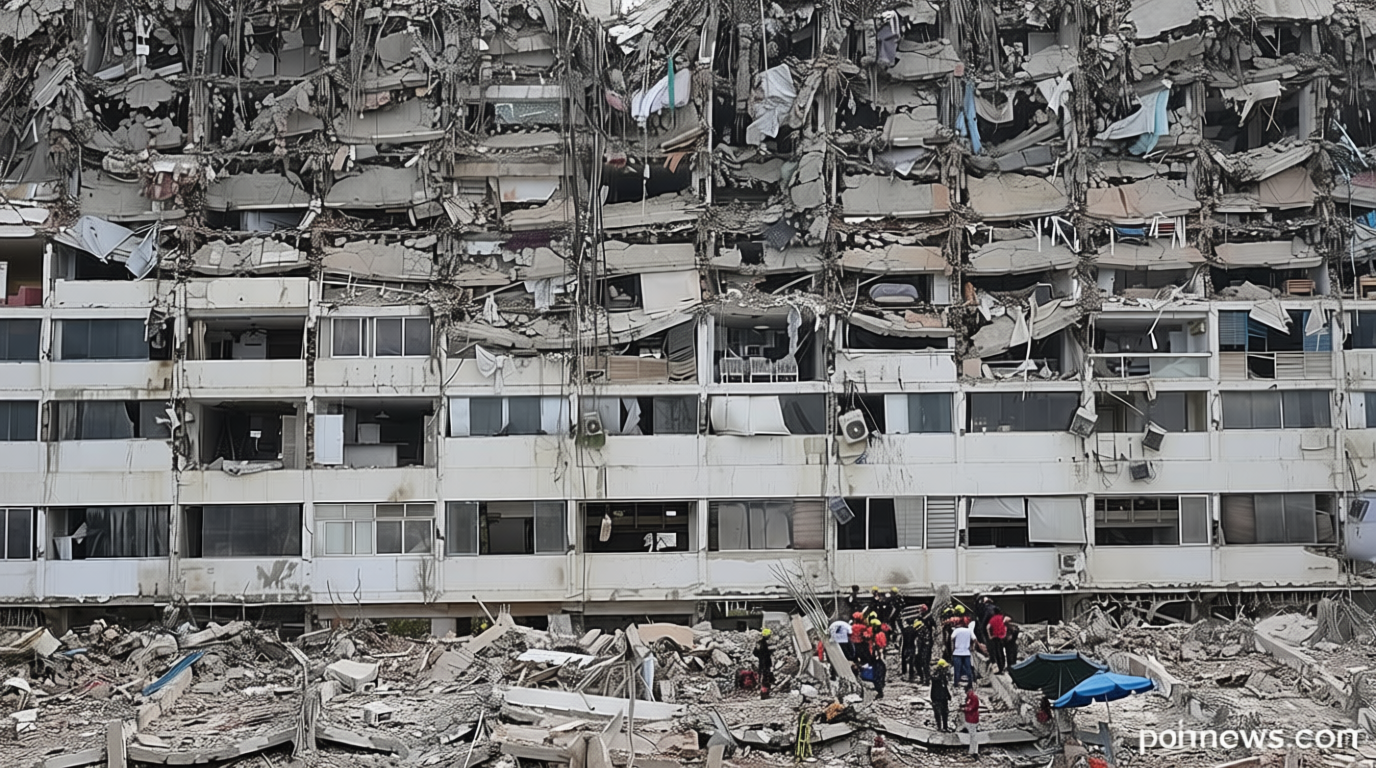
Israel formally recognises Armenian World War I ‘genocide’
Israel Acknowledges Armenian Genocide in World War I Israel formally recognises Armenian World War I - On June 28, 2026, the Israeli government officially

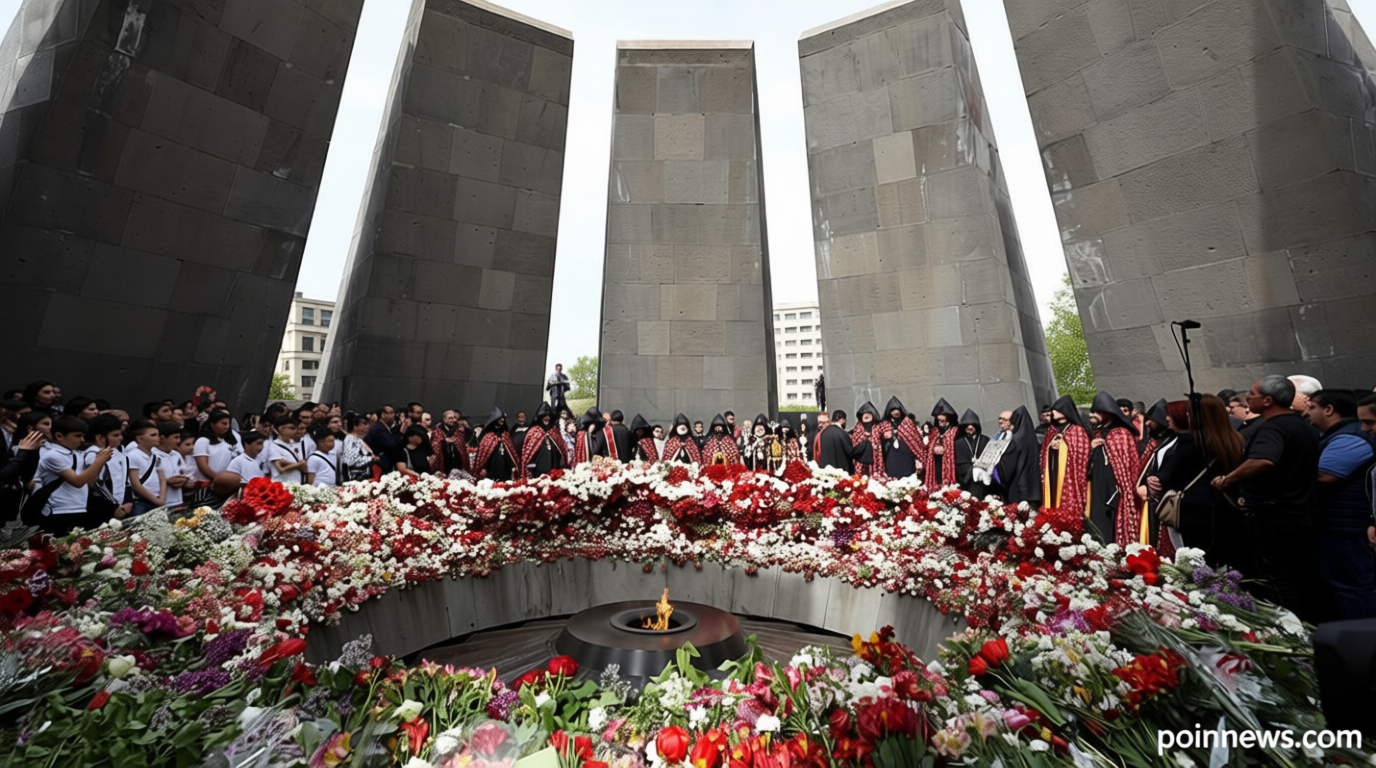
Israel Acknowledges Armenian Genocide in World War I
Poinews.com – On June 28, 2026, the Israeli government officially recognized the Armenian Genocide, a historic decision that marks a significant shift in the country’s stance on the atrocities committed during World War I. This landmark resolution, passed unanimously by the cabinet, was spearheaded by Foreign Minister Gideon Sa’ar and backed by Prime Minister Benjamin Netanyahu. The move, described as a moral imperative to confront historical injustices, formally affirms that the systematic extermination of Armenians under the Ottoman Empire constitutes genocide. The recognition aligns Israel with several international entities, including the United States, France, Germany, and Italy, which have already classified the events as such.
The Genesis of the Armenian Genocide
The Armenian Genocide, a term that encapsulates the deliberate mass killings and forced deportations of Armenians in the early 20th century, began in 1915 as part of a broader Ottoman policy targeting Christian minorities. Over the course of 1915 to 1916, an estimated 664,000 to 1.2 million Armenians were systematically murdered, with many others perishing from starvation, disease, and exposure during their displacement. The atrocities, which unfolded in the heart of the Ottoman Empire, were driven by the Young Turk government’s desire to eliminate perceived threats to their nationalist vision. This historical event has long been a point of contention, with Turkey maintaining that it was a war crime rather than genocide.
“The Armenian Genocide is not just a historical fact, but a cornerstone of our collective memory as a Jewish nation,” Sa’ar asserted in a cabinet statement. “By formally endorsing this designation, Israel reaffirms its commitment to truth and justice.” This declaration comes amid rising diplomatic tensions with Turkey, which has historically opposed acknowledging the Armenian Genocide. The recent Gaza conflict in 2023, where Turkey criticized Israel’s actions, further strained relations, prompting the Israeli government to take a firm position on the matter.
Political and Historical Implications
Israel’s recognition of the Armenian Genocide during World War I carries profound political and historical implications. For decades, the Jewish state has been a key ally of Turkey, often prioritizing regional stability and economic ties over historical debates. However, this resolution signals a growing emphasis on Israel’s role as a defender of human rights and historical accuracy. The decision also strengthens Israel’s alignment with European and American nations that have long acknowledged the genocide, reinforcing its position in global discussions about ethnic persecution and wartime atrocities.
Historians and Armenian advocacy groups have welcomed the move, calling it a long-overdue acknowledgment of one of the earliest examples of genocide in the 20th century. The resolution adds weight to the narrative that the Ottoman Empire’s actions against Armenians were not only systematic but also racially motivated, with Armenians targeted as an entire ethnic group. By formally recognizing the genocide, Israel is not only addressing historical grievances but also setting a precedent for other nations to follow in condemning past injustices.
The decision to classify the Armenian Genocide as a historical event of genocide has sparked discussions about the broader implications for Israel’s international image. While some critics argue that the move could complicate relations with Turkey, supporters highlight its importance in reinforcing Israel’s moral authority. The process of ratifying the resolution also involves parliamentary approval, which means the final designation will be subject to further debate and consensus. Nevertheless, the cabinet’s unanimous support underscores a strong national consensus on the matter.
Global Reactions and Future Prospects
International reactions to Israel’s recognition of the Armenian Genocide have been mixed. Advocacy groups in the United States and Europe have praised the decision, seeing it as a bold step in addressing historical injustices. Meanwhile, Turkey has expressed disappointment, with officials emphasizing the need for a more nuanced understanding of the events. The Armenian Genocide remains a symbol of ethnic cleansing, and Israel’s formal acknowledgment is expected to bolster the global movement for its recognition. This resolution also paves the way for further collaborations with Armenian communities and historical institutions to preserve the narrative.
As Israel continues to solidify its position on the Armenian Genocide, the broader implications for its foreign policy become increasingly relevant. The decision not only strengthens ties with countries that support the genocide designation but also positions Israel as a leader in confronting historical denialism. With the recognition now in the cabinet’s hands, the next phase involves securing parliamentary approval, which will be critical in making the designation official. The process may take several months, but the momentum of this resolution has already sparked a new wave of dialogue about the importance of historical truth.