Iraqi political officials arrested on corruption charges in overnight raid
Corruption Charges Lead to Arrests of Iraqi Political Officials in Midnight Operation Iraqi political officials arrested on corruption - In a significant

Corruption Charges Lead to Arrests of Iraqi Political Officials in Midnight Operation
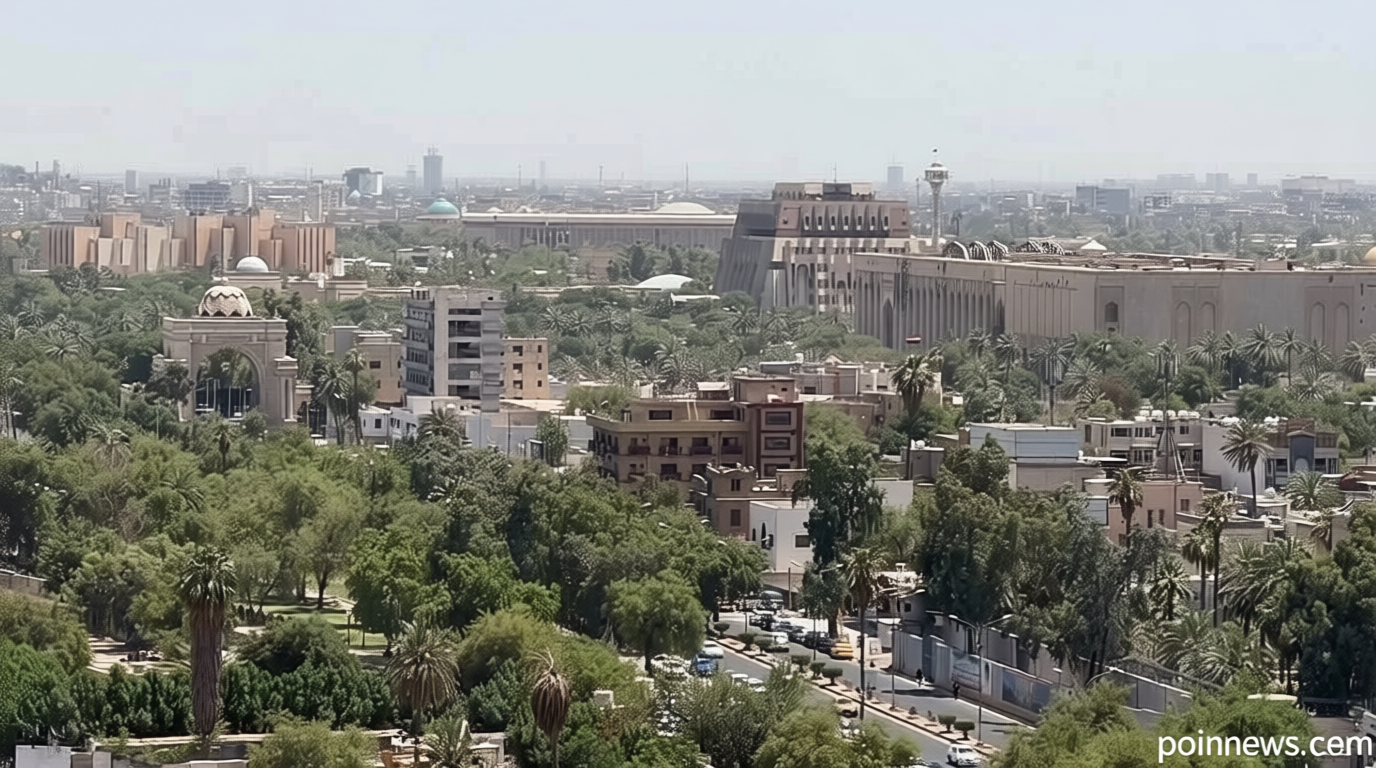
Poinews.com – In a significant development, Iraqi political officials arrested on corruption charges were detained during an overnight raid by security forces, as reported by the state-run Iraqi News Agency. The operation, which took place in Baghdad, targeted key figures within the central administrative area, home to critical government offices and diplomatic missions. This coordinated effort aimed to expose systemic graft and strengthen accountability within Iraq’s political landscape. The arrests were linked to a series of corruption allegations first revealed by Adnan al-Jumaili, the former Deputy Minister of Oil, who had been detained in May. His disclosures prompted an investigation that led to the suspension of parliamentary immunity for several high-profile officials, marking a pivotal moment in the nation’s ongoing battle against political corruption.
The Raid and Its Immediate Impact
The surprise raid unfolded in the early hours of Sunday, with security forces securing the Green Zone—a heavily guarded district in Baghdad that serves as the headquarters for the Iraqi government. The operation disrupted routine political activities, as authorities emphasized the seriousness of the corruption charges. According to a report from The Associated Press, citing a confidential security agency document, seven individuals were arrested, five of whom were members of Parliament. Among the detainees were prominent figures from the bloc led by Mohammed Shia al-Sudani, the former prime minister whose coalition had previously dominated the political scene. The arrests have raised questions about the integrity of Iraq’s governance structures and the extent of corruption within its leadership.
“Seven people were arrested, including five members of Parliament,” the report said, highlighting the interconnectedness of political and legal scrutiny in Iraq. This incident underscores the growing pressure on politicians to address corruption, a persistent issue that has plagued the country for years.
The timing of the raid was strategic, as it coincided with heightened tensions in Iraq’s political arena. The government’s decision to act swiftly against corruption allegations comes amid a backdrop of public frustration with corruption scandals and their impact on economic stability. Analysts note that such operations are often used to target opposition leaders or those perceived as complicit in graft, which can have far-reaching consequences for the country’s political balance. The detained officials, who were linked to various ministries and agencies, are now facing charges of embezzlement, bribery, and misuse of public funds, which could lead to significant legal repercussions.
Political Dynamics and the Coordination Framework
Al-Sudani’s coalition, which had secured the largest bloc of seats in the November parliamentary elections, was already grappling with internal divisions over the selection of a prime minister candidate. These disagreements, exacerbated by corruption allegations, contributed to al-Sudani’s resignation earlier this year. The Coordination Framework, a coalition of Shiite parties aligned with Iran, faced a power vacuum as the raid targeted some of its key members, further complicating its ability to consolidate authority. The new leader, Ali al-Zaidi, a businessman and political novice, has since sought to mend the coalition’s fractured relationships, earning approval from the United States for his leadership approach.
The ongoing arrests are seen as part of a broader effort to dismantle entrenched networks of corruption and reshape the political landscape. With the suspension of parliamentary immunity, officials can now be held accountable for their actions without the protection of legislative privileges. This development has sparked debates about the role of the judiciary in political matters and whether the current government is using anti-corruption measures to consolidate power. Meanwhile, the public remains divided, with some viewing the operation as a necessary step toward transparency, while others fear it could be a political move to eliminate rivals.
As the investigation into the corruption charges continues, the implications for Iraq’s political future remain uncertain. The arrests have not only disrupted existing alliances but also intensified the competition among political factions vying for influence. Analysts warn that such high-profile cases could either galvanize reform efforts or deepen the nation’s political instability. The government’s ability to address the root causes of corruption—such as opaque procurement processes and weak oversight mechanisms—will be crucial in determining the long-term success of this operation. For now, the focus remains on the legal proceedings against the detained officials and their potential impact on the country’s governance.