Plans for Gaza International Stabilisation Force in question as troop pledges stall
Plans for Gaza International Stabilisation Force in Question Plans for Gaza International Stabilisation Force - Plans for the Gaza International Stabilisation

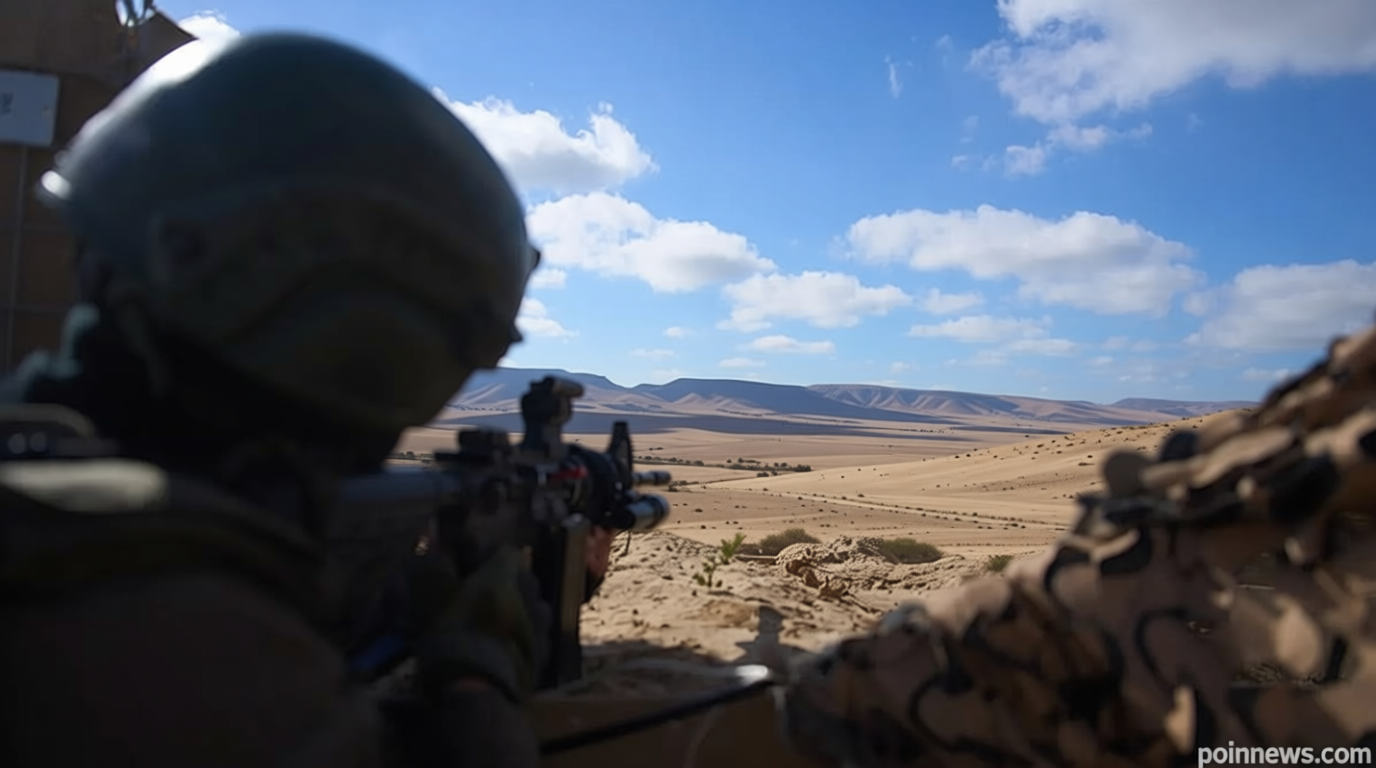
Plans for Gaza International Stabilisation Force in Question
Poinews.com – Plans for the Gaza International Stabilisation Force are now in question as troop pledges stall, raising concerns about the initiative’s ability to secure a lasting ceasefire. The force, which was proposed during the first meeting of US President Donald Trump’s Board of Peace, has encountered significant delays three months into its implementation. While the original goal was to stabilize the region through collective military effort, none of the five nations initially committed to sending troops have fulfilled their promises. This lack of progress threatens the force’s credibility and underscores the growing challenges in international cooperation. The fragile peace between Israel and Hamas, a core objective of the mission, remains at risk as both sides continue their military campaigns, further complicating the stabilization effort.
Indonesia’s Pledge on Hold
Indonesia’s promise to contribute 8,000 troops to the Gaza International Stabilisation Force has been suspended indefinitely, becoming a pivotal issue in the stalled initiative. The country had planned to send 1,000 troops in April and the remaining by June, but this timeline has been disrupted. Indonesian Defence Minister Sjafrie Sjamsoeddin cited unclear implementation guidelines as the main reason for the delay. “We have not yet received any implementation guidelines,” he stated, emphasizing the uncertainty that now surrounds the project. The suspension of Indonesia’s commitment has intensified questions about the force’s readiness and the willingness of key participants to commit resources.
“New dynamics have emerged,” Sjamsoeddin added. “Because the intensity of the conflict between US and Iranian forces remains very high, the Board of Peace has tended to be left behind. Since the Board of Peace has been left behind, the Gaza International Stabilisation Force has also been left behind.”
Domestic and Global Pressures
The hesitation of Indonesia reflects broader domestic pressures and shifting global priorities. Analysts note that the country’s citizens are deeply divided over the Iran conflict, which has become a major point of contention. As the world’s largest Muslim nation, Indonesia’s public sentiment often influences its foreign policy decisions. The economic strain caused by the global energy crisis has made it harder for the government to justify large-scale troop deployments. Muhammad Zulfikar Rakhmat, director of the Indonesia-Middle East/North Africa desk at Jakarta’s Centre for Economic and Law Studies, stated that many Indonesians question the effectiveness of the Gaza International Stabilisation Force, arguing that it may not deliver meaningful change for the region.
Additionally, recent clashes in Lebanon involving Israel and Iran-backed Hezbollah have highlighted the risks of international military involvement. The loss of four peacekeepers in these conflicts has fueled doubts about the force’s safety and purpose. Rakhmat pointed out that the economic downturn and public distrust have made it increasingly difficult for Indonesia to align with US and Israeli objectives, casting further doubt on the prospects of the Gaza International Stabilisation Force.
Uncertain Support from Other Nations
While Indonesia’s delay has been a major setback, other countries have also expressed reservations about the Gaza International Stabilisation Force. Kazakhstan, for instance, has indicated that its support would be limited to the humanitarian aspect of the mission, such as medical units and field hospitals. Its Foreign Ministry provided no further details, leaving the scope of its contribution unclear. Albania has similarly delayed its troop pledge, referring to the process as “dynamic and ongoing.” Lieutenant General Arben Kingji, Albania’s chief of staff, mentioned that military reconnaissance had been conducted, with a small contingent potentially joining the force’s headquarters.
Kosovo, which was expected to send 20 troops, said in April it was close to finalizing preparations but has yet to provide updates. Morocco’s Foreign Ministry remains silent on its involvement, with no official confirmation of its participation. Despite these delays, the US continues to play a central role, with Major General Jasper Jeffers still set to lead the force. However, the US military’s Central Command has not commented on the force’s status or Jeffers’ role, directing questions to the Board of Peace.
Stabilisation Force Faces Key Challenges
The Gaza International Stabilisation Force hinges on a second phase of the ceasefire, which requires Hamas to disarm and Israel to start its withdrawal. Without clear implementation plans, the force risks remaining a symbolic effort rather than a practical solution. Board of Peace spokesperson Brad Klapper has yet to address Indonesia’s suspension or the broader implications for the mission. Analysts suggest that the force’s success depends on overcoming political and logistical hurdles, including securing consistent support from participating nations and ensuring that all parties adhere to the ceasefire agreement.
With the initial troop pledges stalled, the path forward for the Gaza International Stabilisation Force remains uncertain. The initiative’s ability to maintain regional stability will now rely on renewed diplomatic efforts and a willingness to adapt to changing circumstances. As the conflict continues, the force’s viability may depend on whether countries can balance their commitments to peace with domestic and geopolitical priorities. The outcome of these challenges will shape the future of international involvement in Gaza and the prospects for long-term stability in the region.