Severe drought, energy shortages and food insecurity: What El Niño could mean for Europe this year
Drought, Energy, and Food Crisis Severe drought energy shortages and food - Severe drought, energy shortages, and food insecurity are set to intensify in

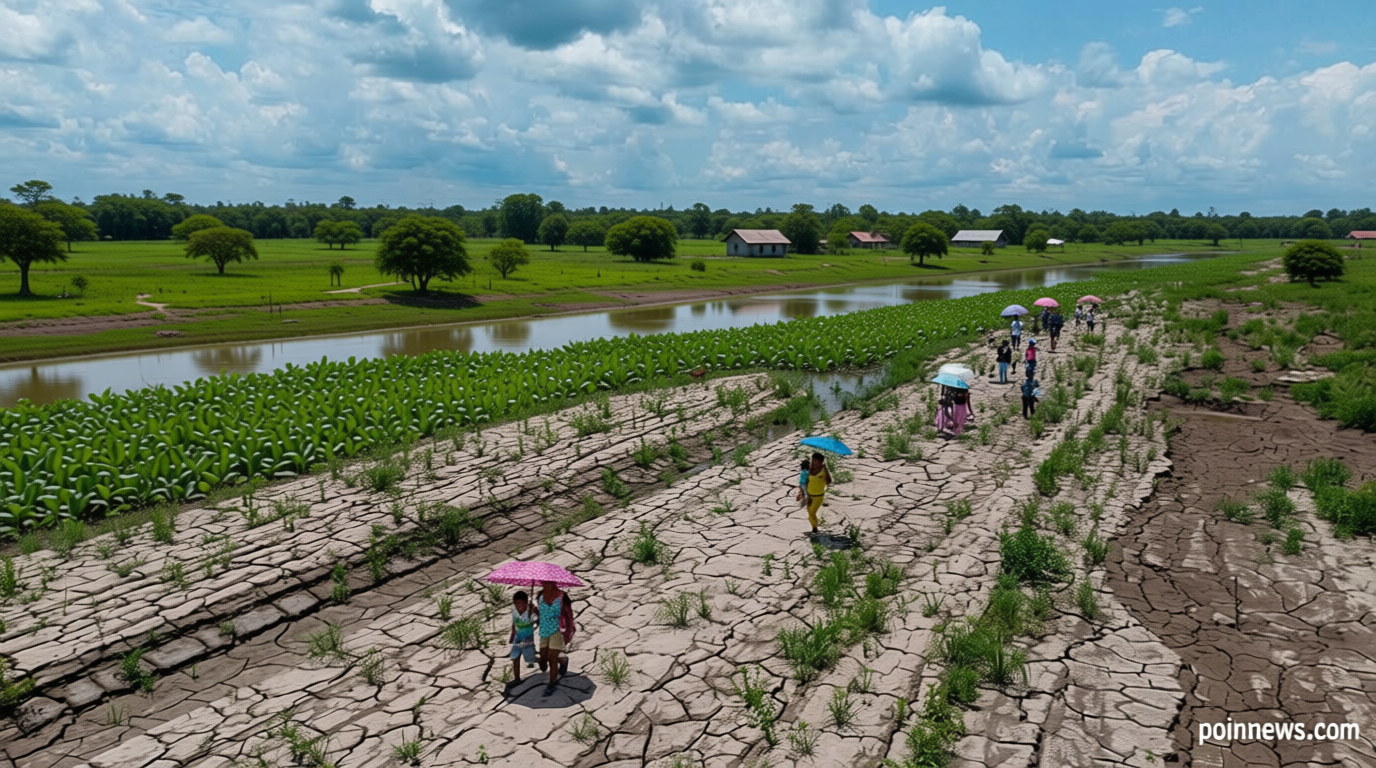
El Niño’s Impact: Europe’s 2026 Drought, Energy, and Food Crisis
Poinews.com – Severe drought, energy shortages, and food insecurity are set to intensify in Europe this year due to the El Niño phenomenon. This climate event, marked by warmer Eastern Pacific waters, is expected to drive extreme weather conditions, from heatwaves to floods. As the 2026 El Niño looms, its impact on food systems, energy production, and ecosystems is becoming increasingly evident.
Projections from the European Centre for Medium-Range Weather Forecasts (ECMWF) indicate that 2026 will likely rank among the hottest years on record, marked by severe drought conditions. Summer and early autumn temperatures are expected to exceed averages, with Europe already enduring a lethal May heatwave. Forecasters warn that prolonged “tropical nights” in the Mediterranean region could further strain resources and challenge infrastructure.
Energy and Water Challenges
El Niño’s influence extends beyond temperature shifts. Experts at the IHE Delft Institute for Water Education highlight its potential to disrupt energy systems and exacerbate food shortages. Reduced rainfall and diminished river flows could strain hydropower-dependent regions, forcing reliance on fossil fuels like oil and coal. This transition might increase energy costs and carbon emissions, even as climate change has already heightened these vulnerabilities.
“The coming El Niño is a reminder that drought is not only an environmental issue,” says Dr. Micha Werner, a professor of drought resilience at IHE Delft. “It affects food systems, energy production, economies, ecosystems, and human wellbeing. Building resilience requires action before a crisis unfolds.”
Notably, Norway—often dubbed Europe’s “largest battery” due to its extensive dam network—has faced a stark decline in snow reserves, reaching two-decade lows after a warm and arid winter. This has created a 25TWh energy deficit, equivalent to powering 2.5 million homes for a year, and nearly a fifth of the country’s total hydropower output in 2025. Additionally, extreme heat may reduce solar energy generation, as explained by Ioanna Vergini