Ukraine hits Russia’s Ufa oil refinery for second time in a week, Zelenskyy says
Ukraine Strikes Russia’s Ufa Oil Refinery Again, Zelenskyy Reports Ukraine hits Russia s Ufa oil refinery - President Volodymyr Zelenskyy confirmed on

Ukraine Strikes Russia’s Ufa Oil Refinery Again, Zelenskyy Reports
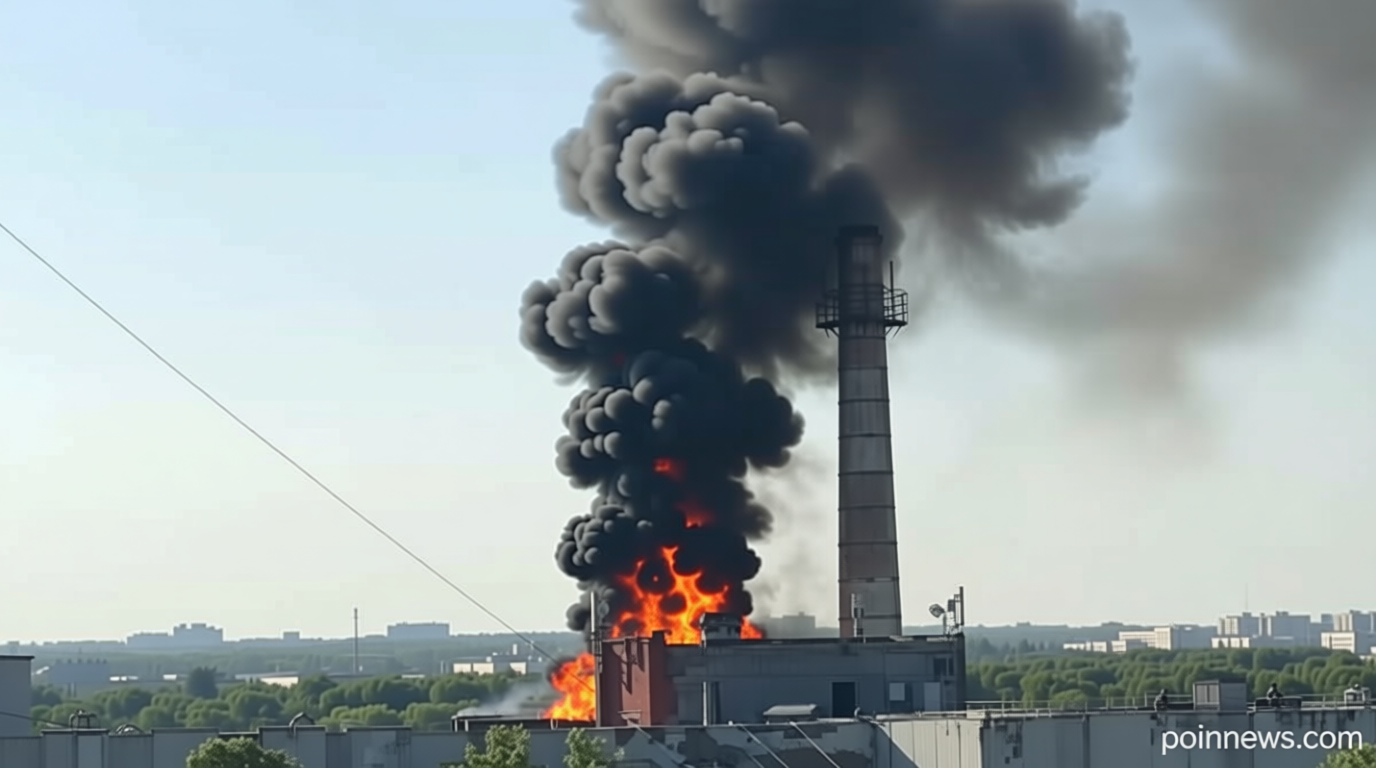
Poinews.com – President Volodymyr Zelenskyy confirmed on Wednesday that Ukrainian forces had launched a second strike on Russia’s Ufa oil refinery in less than a week, marking a significant escalation in the nation’s long-range attacks. The facility, a key player in Russia’s oil production and export infrastructure, is located over 1,000 kilometers from Ukraine’s borders, according to Zelenskyy’s statement on X. The attacks, he argued, were a necessary response to Russia’s continued aggression, underscoring the urgency of disrupting Moscow’s economic and military capabilities. “Peace is essential, and Russia’s leadership must recognize this,” Zelenskyy said, praising the precision of Ukrainian strikes. “We are ensuring that every attack serves a strategic purpose.”
Strategic Targeting and Fuel Supply Disruption
The repeated strikes on the Ufa oil refinery and other energy facilities have intensified the fuel crisis in Russia, according to analysts. As the war nears its fifth year, Ukraine’s focus on oil infrastructure has become a central tactic in its broader strategy to weaken Russia’s logistical capacity. The Ufa refinery, which processes millions of barrels of crude oil annually, plays a critical role in supplying energy to both domestic markets and export routes. Zelenskyy’s comments highlight how these attacks are not only symbolic but also practical, aiming to destabilize Russia’s ability to sustain its military operations. “The war has shown that targeting energy resources can have a profound effect on the front lines,” said a Kyiv military analyst, emphasizing the long-term impact of such strikes.
Ukraine’s homegrown drones and missiles have targeted Russian oil refineries, storage depots, terminals, and pipeline stations for months, with the Ufa refinery becoming a focal point. The second strike in a week underscores the frequency and determination of these attacks, which have reportedly caused substantial delays in fuel distribution. Russian officials, however, have yet to officially confirm the damage, leaving the extent of the disruption uncertain. “We are working to assess the full impact of these strikes,” stated a spokesperson for the Russian Defence Ministry, which reported intercepting 179 Ukrainian drones over 16 regions, Crimea, and the Azov and Black Sea waters in June.
Broader Campaign Against Russian Energy Assets
Following the Ufa refinery’s strikes, Ukrainian forces also targeted a plant in Russia’s Penza region, southeast of Moscow, approximately 500 kilometers from Ukraine. These attacks, part of a coordinated effort, aim to cut off Russia’s access to critical energy resources while showcasing Ukraine’s growing capability to conduct precision strikes deep into enemy territory. The Russian government has acknowledged the challenges posed by these assaults, with President Vladimir Putin addressing the issue in a recent speech. “We face a certain deficit in fuel, but we are taking measures to ensure stability,” Putin noted, despite the ongoing disruptions caused by Ukrainian attacks.
Analysts suggest that Ukraine’s focus on oil infrastructure is both a retaliation and a strategic move to pressure Russia’s economy. The Ufa refinery, one of the largest in Russia’s western region, is a major contributor to the country’s energy exports, making it a high-value target. By hitting such sites, Ukrainian forces are not only targeting military logistics but also challenging Russia’s ability to maintain its industrial output. “The strikes are designed to create a ripple effect across the Russian energy sector,” explained a defense expert, adding that the repeated attacks have forced Moscow to divert resources to protect its remaining facilities. This shift in priorities, they argue, could further strain Russia’s war efforts.
In June, there was a noticeable decline in Russian drone strikes and missile attacks against Ukraine, with AFP reporting a 29% drop compared to May. This trend coincides with Kyiv’s intensified campaign against Russian territory, including the Ufa refinery. Ukraine has claimed hits on multiple sites, such as the Voronezh plant, where it allegedly damaged Iskander missile components. These strikes, combined with the Ufa refinery attacks, demonstrate a strategic shift toward targeting Russia’s military production and energy supply chains. “The war is no longer just about territorial gains,” said a NATO official, “but about crippling Moscow’s ability to sustain its operations.”
International reactions to Ukraine’s attacks on the Ufa refinery have been mixed. While some allies have praised the strikes as a bold move to disrupt Russian energy supplies, others have called for verification of the claims. The Ufa refinery’s location in Bashkortostan, a region with significant oil reserves, makes it a vital asset for Russia’s economy. By attacking it, Ukraine aims to create a domino effect, with each strike compounding the challenges faced by the Russian military and civilian infrastructure. “The economic pressure on Russia is growing, and these attacks are part of that strategy,” remarked a European Union representative, emphasizing the need for continued support for Ukraine’s efforts.