US-Iran peace deal talks underway in Switzerland
egional Tensions US Iran peace deal talks underway - The United States and Iran have commenced US-Iran peace deal talks in Switzerland, marking a critical

US-Iran Peace Deal Talks Begin in Switzerland Amid Regional Tensions
Poinews.com – The United States and Iran have commenced US-Iran peace deal talks in Switzerland, marking a critical phase in efforts to stabilize the Middle East. The negotiations, held in the Swiss canton of Nidwalden, bring together delegations from both nations alongside mediators from Qatar and Pakistan. This initiative follows a previous agreement signed the prior week, which laid the groundwork for a comprehensive peace memorandum. The talks aim to address key issues such as the nuclear program, regional conflicts, and the Lebanon ceasefire, which have been central to the US-Iran peace deal talks for months. With global attention on the Middle East, the Swiss location symbolizes a neutral ground for diplomacy, offering hope for a breakthrough in long-standing hostilities.
Key Stakeholders and Diplomatic Framework
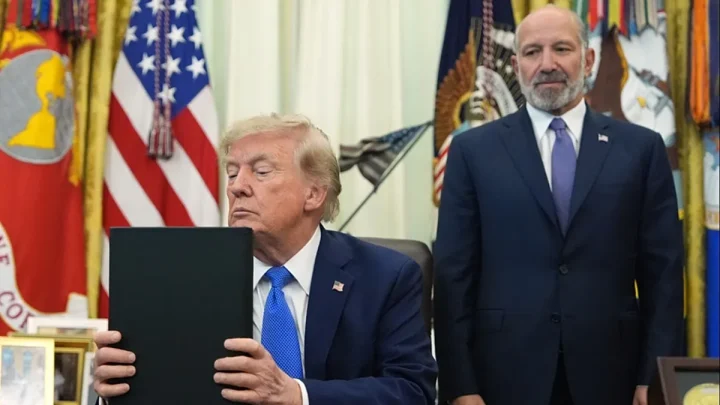
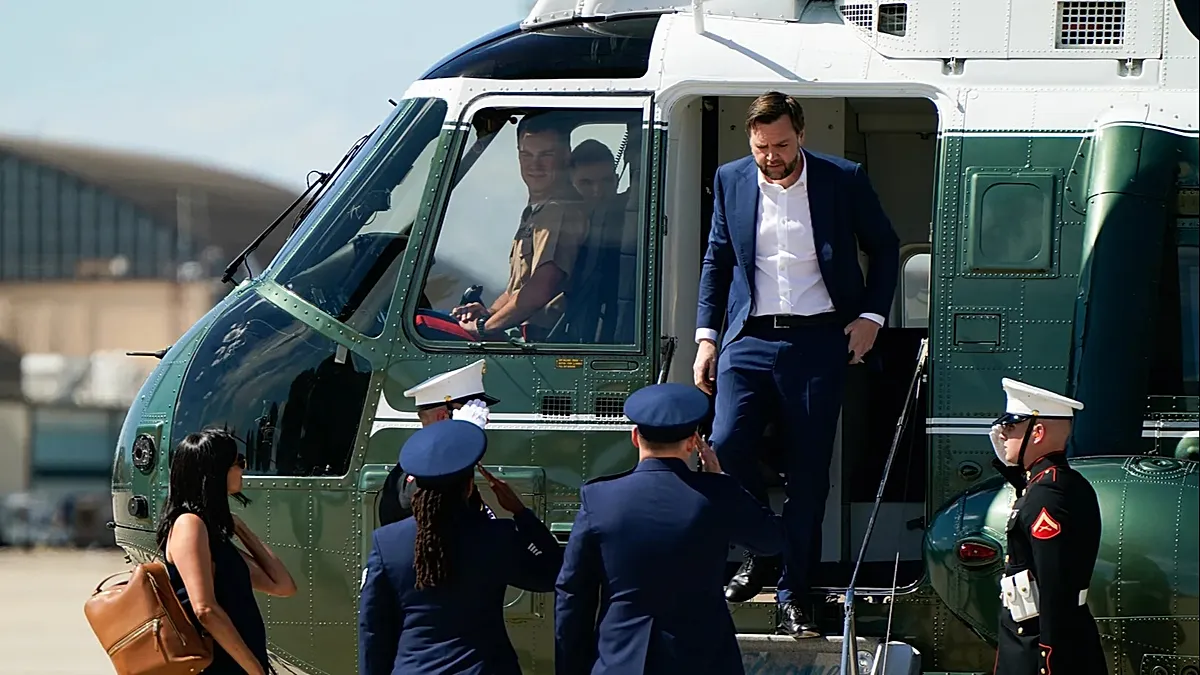
Representatives from the U.S. and Iran have convened in Bürgenstock, a picturesque resort town in Nidwalden, to negotiate the next steps in their US-Iran peace deal talks. U.S. Vice President JD Vance, a prominent figure in the delegation, emphasized the urgency of resolving the nuclear issue and achieving a lasting ceasefire in Lebanon. “We’re going to hopefully make progress on the nuclear issue, make progress on the Lebanon ceasefire issue — those are the two big things that I think we’re going to be focused on,” he stated during a pre-departure address. Meanwhile, Iran’s foreign ministry has reiterated its commitment to the talks, highlighting the importance of US-Iran peace deal talks in addressing mutual grievances and fostering regional cooperation.
Qatar and Pakistan, acting as mediators, have played a pivotal role in facilitating these discussions. Their involvement underscores the growing importance of regional allies in brokering agreements between the U.S. and Iran. The US-Iran peace deal talks have also drawn support from European Union representatives, who have expressed optimism about the potential for a deal to reduce tensions and open pathways for economic collaboration. As the talks unfold, Switzerland’s strategic neutrality has been a cornerstone of the diplomatic process, enabling both sides to engage in dialogue without external pressures.
Delays and Challenges in Negotiations
The initial meeting of the US-Iran peace deal talks was postponed due to escalating conflicts in the region, particularly the recent clashes between Israel and Lebanon. Iran’s military has criticized the U.S. for what it describes as “bad faith,” citing the closure of the Strait of Hormuz as evidence of ongoing tensions. This waterway, vital for global oil supply, has been a focal point of the US-Iran peace deal talks, with both nations seeking to ensure its security and uninterrupted flow. Despite the delay, the discussions have proceeded with renewed vigor, reflecting the shared interest in resolving disputes before they spiral further.
Meanwhile, the Israeli military has defended its actions, stating that the strikes in southern Lebanon were necessary to neutralize Hezbollah’s rocket capabilities. The US-Iran peace deal talks have been complicated by these attacks, which have disrupted the ceasefire agreement. However, the U.S. Central Command has reported that the Strait of Hormuz remained open on Saturday, with 55 merchant ships transporting over 17 million barrels of oil to international markets. This development has provided a glimmer of hope for the US-Iran peace deal talks, as it demonstrates the feasibility of maintaining economic ties amid military actions.
Historical Context and Strategic Implications
The US-Iran peace deal talks in Switzerland are part of a broader effort to mend relations between the two nations, which have been strained for decades. The talks build on previous negotiations, including the 2023 agreement that established a framework for a nuclear deal. This historical context is crucial as the US-Iran peace deal talks aim to address not only immediate conflicts but also long-term strategic interests. Analysts note that a successful agreement could lead to reduced military posturing, improved trade relations, and greater stability in the Gulf region.
Lebanon, caught in the crossfire of the US-Iran peace deal talks, has become a key player in the negotiations. The country’s government has called for a ceasefire, but tensions persist as Hezbollah continues to retaliate against Israeli attacks. The US-Iran peace deal talks have thus taken on added significance, as they seek to incorporate Lebanon’s role in the broader peace process. Success in these discussions could pave the way for a more inclusive agreement, benefiting not only the U.S. and Iran but also their neighbors in the region.
Progress and Remaining Obstacles
As the US-Iran peace deal talks continue, both sides have shown flexibility in addressing their differences. The mediators from Qatar and Pakistan have been instrumental in bridging gaps, particularly in the nuclear agreement’s technical aspects. However, challenges remain, including Iran’s demands for sanctions relief and the U.S.’s insistence on verification mechanisms. These issues, central to the US-Iran peace deal talks, require careful negotiation to ensure a balanced and sustainable resolution.
While the US-Iran peace deal talks have made progress, their success will depend on the willingness of both nations to compromise. The talks also face the backdrop of regional instability, with conflicts in Syria, Iraq, and Yemen adding complexity to the negotiations. Nonetheless, the presence of Swiss diplomats and the high-level delegation suggests that the US-Iran peace deal talks are being treated with the utmost priority. As the discussions move forward, the global community will be watching closely for any signs of a landmark agreement.