What are tropical nights? Inside the deadly phenomenon hiding behind Europe’s blistering heatwave
Heatwave Explained What are tropical nights Inside the deadly - Tropical nights are a growing concern as Europe endures record-breaking heatwaves, with

What Are Tropical Nights? Europe’s Deadly Heatwave Explained
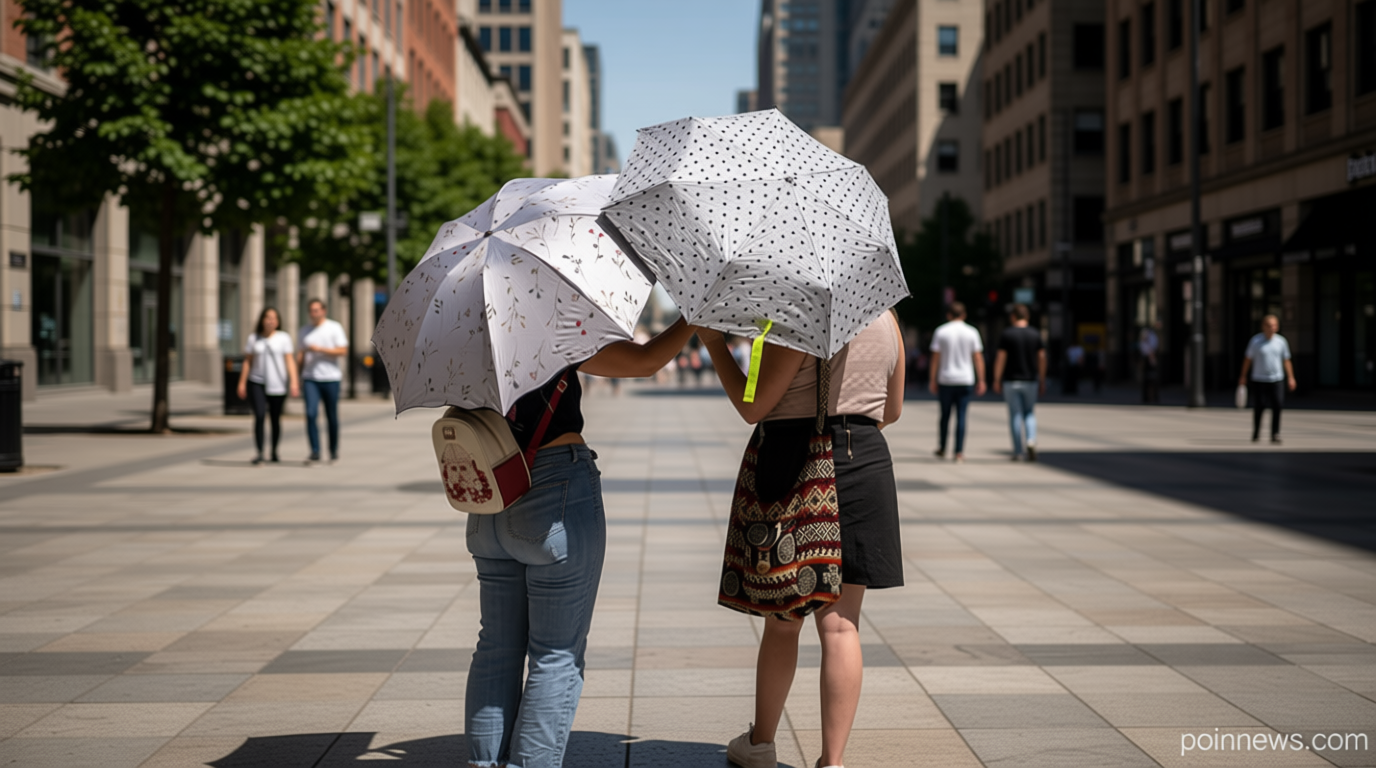
Poinews.com – Tropical nights are a growing concern as Europe endures record-breaking heatwaves, with nighttime temperatures frequently exceeding 20°C. This phenomenon, which has become more frequent in recent years, is now shaping the way we experience extreme weather. The term “What are tropical nights Inside” refers to a period of at least 24 consecutive hours where nighttime temperatures remain above 20°C, creating a persistent heat burden. France, for instance, has seen prolonged heatwave conditions, with over 45 of its 96 administrative regions under red alerts. Temperatures in some areas have surpassed 40°C, raising alarms about the health and environmental impacts of this trend.
The Science Behind Tropical Nights
Climate change is driving the rise of tropical nights, as global warming disrupts traditional temperature patterns. A recent report from the UK’s Met Office highlights that Europe has experienced a 20% annual increase in the likelihood of three consecutive tropical nights in July. This means that regions once known for their cooler climates are now facing extended periods of warmth even after sunset. The phenomenon is not limited to southern Europe; cities like Paris, Madrid, and Berlin have all recorded instances of tropical nights, with the risk increasing across the continent.
Experts warn that tropical nights are more than just uncomfortable; they pose serious health risks. Dr. Ruth Engel, an environmental health researcher at the World Resources Institute (WRI), explains that “What are tropical nights Inside” are a critical indicator of climate change’s impact on human health. “Nighttime heat is often underestimated, but it can be particularly dangerous because people are typically at home and may not have access to cool, air-conditioned spaces,” she says. The lack of cooling at night exacerbates heat stress, especially for vulnerable populations such as the elderly and those with chronic illnesses.
Impact on Urban Areas and Public Health
Urban areas are particularly affected by tropical nights, as heat is trapped by concrete and asphalt. This creates a feedback loop where rising temperatures increase reliance on air conditioning, which in turn emits refrigerants that contribute to global warming. In cities like Paris, where temperatures have soared to 40°C, public health officials have had to implement emergency measures. For example, during the Fête de la Musique festival, alcohol consumption was restricted, and parks remained open late into the night to provide respite. These steps reflect the urgent need to adapt to the changing climate.
The health consequences of tropical nights are significant. Studies show that prolonged exposure to high nighttime temperatures is linked to higher mortality rates, especially in older adults. In France, the heatwave has already resulted in hundreds of deaths, with researchers attributing these fatalities to the effects of “What are tropical nights Inside.” Additionally, sleep disruptions caused by warm nights are forcing schools to consider adjusting exam schedules, as students struggle to rest. The cumulative heat burden highlights how tropical nights can extend the duration of health risks beyond daytime heatwaves.
Broader Climate Implications
As “What are tropical nights Inside” become more frequent, their implications extend beyond Europe. The phenomenon is part of a larger pattern of rising global temperatures, which is causing shifts in weather systems worldwide. While Spain and the UK face extreme heat, Italy and Greece experience relatively milder conditions, with Rome and Athens remaining in the low 30s. This variation underscores the complexity of climate change and how different regions are impacted in unique ways. However, the trend of tropical nights is clear: they are here to stay, and their frequency will likely increase in the coming decades.
Addressing tropical nights requires a multifaceted approach. In addition to expanding air conditioning access, cities are exploring green infrastructure, such as urban forests and reflective surfaces, to reduce heat absorption. Public awareness campaigns are also critical, as they can help communities prepare for prolonged heat events. With “What are tropical nights Inside” now a reality, the need for action has never been more pressing. The phenomenon serves as a stark reminder of how climate change is reshaping our environment and threatening public health on an unprecedented scale.