Spain’s Supreme Court jails former socialist minister for 24 years in COVID corruption case
Spain's Supreme Court Jails Former Socialist Minister for 24 Years in Pandemic Corruption Case Spain s Supreme Court jails former - Spain's Supreme Court has

Spain’s Supreme Court Jails Former Socialist Minister for 24 Years in Pandemic Corruption Case
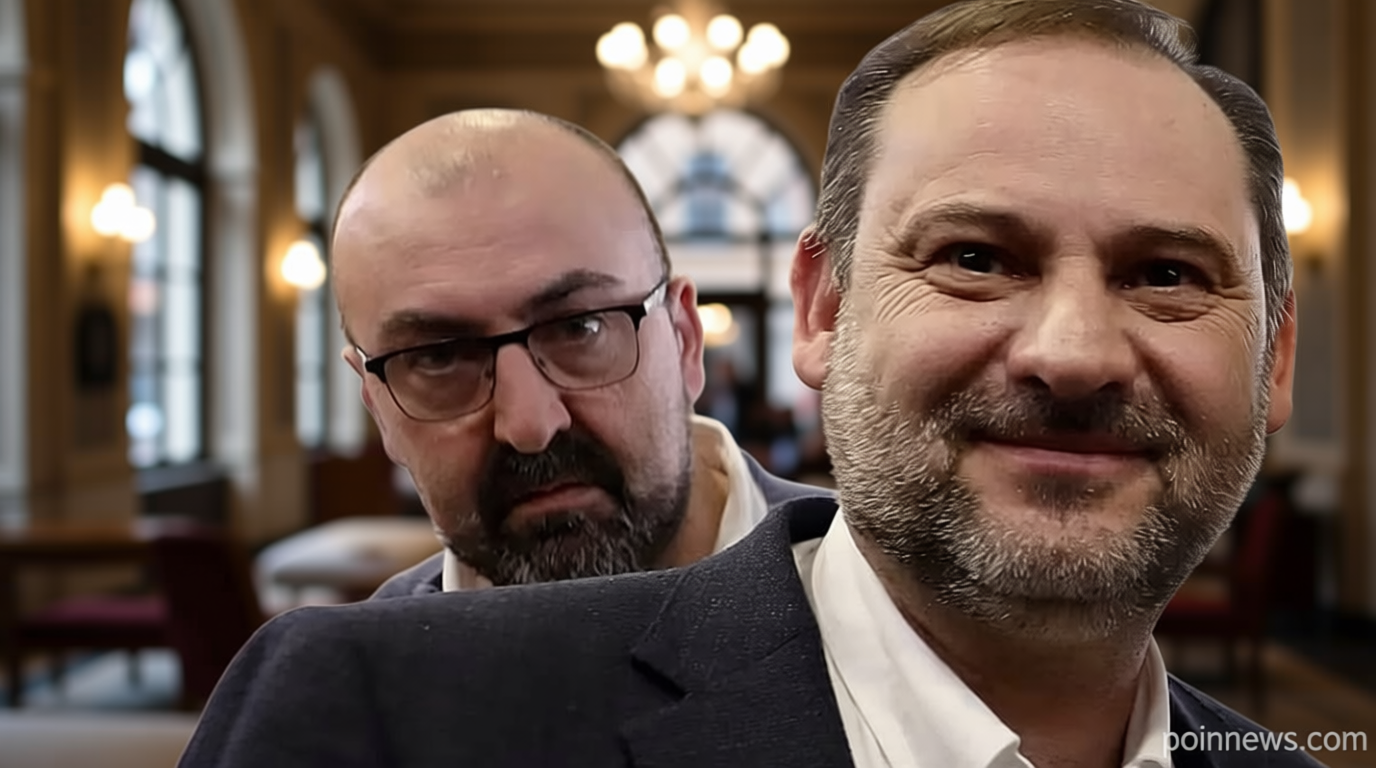
Poinews.com – Spain’s Supreme Court has announced the conviction of former Transport Minister José Luis Ábalos, a prominent member of the Socialist Party (PSOE), for corruption linked to the allocation of face mask contracts during the pandemic. The court’s ruling, delivered by a seven-judge panel, imposes a 24-year prison sentence on Ábalos, marking a landmark decision in the country’s ongoing fight against corruption. His former aide, Koldo García, was sentenced to 19 years, while businessman Víctor de Aldama received four and a half years. The verdict underscores the role of these individuals in a coordinated effort to exploit public resources for personal enrichment.
The Corruption Scheme and Pandemic Context
The court found that Ábalos, García, and Aldama formed a structured criminal network that manipulated the distribution of contracts for 13 million face masks during the height of the pandemic. These contracts, awarded to state entities like Puertos del Estado and Adif, were tied to a company connected to Aldama, raising questions about the transparency of procurement processes. The timing of the deals—when supply chains were under immense pressure—highlighted how corruption could threaten public health and economic stability. The case also exposes the challenges of holding officials accountable during crises.
Legal Charges and Personal Benefits
Ábalos and García were convicted of participating in a criminal organization, bribery, and misuse of public funds. The court emphasized that their actions were not isolated but part of a deliberate strategy to secure financial gains. Among the penalties, Ábalos received €10,000 monthly stipends for personal expenses, while his associate was covered for housing costs. Additionally, two women linked to Ábalos were employed by public companies under the Transport Ministry, further entrenching the scheme. The verdict also included real estate transactions, such as a rent-to-buy agreement between Aldama and Ábalos for a Madrid property, revealing a web of interconnected interests.
Impact on Pedro Sánchez’s Administration
Despite the absence of direct involvement by Prime Minister Pedro Sánchez, the conviction of Ábalos has shaken the foundations of his government. Ábalos was a key figure in Sánchez’s political rise, serving as both Transport Minister and organizational secretary of the PSOE. The case has intensified scrutiny on the ruling party, with critics arguing that it reflects deeper issues of governance and accountability. Opposition leaders have seized the opportunity to highlight the need for systemic reforms and to pressure Sánchez to address corruption within his inner circle.
Spain’s Supreme Court jails Ábalos and his allies, signaling a shift in judicial focus toward high-level officials during the pandemic. The court’s decision was based on evidence that the trio had used their positions to influence the awarding of contracts, ensuring that businesses associated with Aldama benefited. This not only inflated costs but also created a backlog in mask deliveries, exacerbating the crisis. The ruling has drawn comparisons to other corruption cases, such as those involving former officials in healthcare and economic sectors, suggesting a pattern of systemic graft.
Public Trust and Political Repercussions
Public reaction to the verdict has been mixed, with some applauding the court’s role in holding power to account and others expressing concern over the scale of the corruption. The sentence of 24 years for Ábalos, the highest among the three, has raised questions about the severity of the punishment and its proportionality to the alleged crimes. Critics argue that the ruling strengthens the case for broader investigations into the PSOE’s practices, while supporters see it as a necessary step to restore faith in public institutions. The decision may also influence upcoming elections, as voters weigh the implications of the ruling on government credibility.
Spain’s Supreme Court jails Ábalos, marking a significant milestone in the country’s judicial response to pandemic-related corruption. The conviction highlights the complexity of the case, which involved not only financial misconduct but also the abuse of political influence. Legal experts note that the court’s focus on the structured nature of the criminal group suggests a more rigorous approach to accountability. This case could serve as a precedent for future corruption trials, particularly those involving public contracts during emergencies. The PSOE faces mounting pressure to demonstrate transparency and reform, as the verdict adds to the list of high-profile scandals undermining its reputation.
“This ruling sends a clear message that corruption, even in times of crisis, will not go unpunished,” said a spokesperson for the court. “The sentences reflect the gravity of their actions and the impact on public trust.”