Video. Major wildfire rages south of Paris during heatwave
Major Wildfire Rages South of Paris Amid Heatwave Major wildfire rages south of Paris - A major wildfire has been burning fiercely in the Fontainebleau

Major Wildfire Rages South of Paris Amid Heatwave
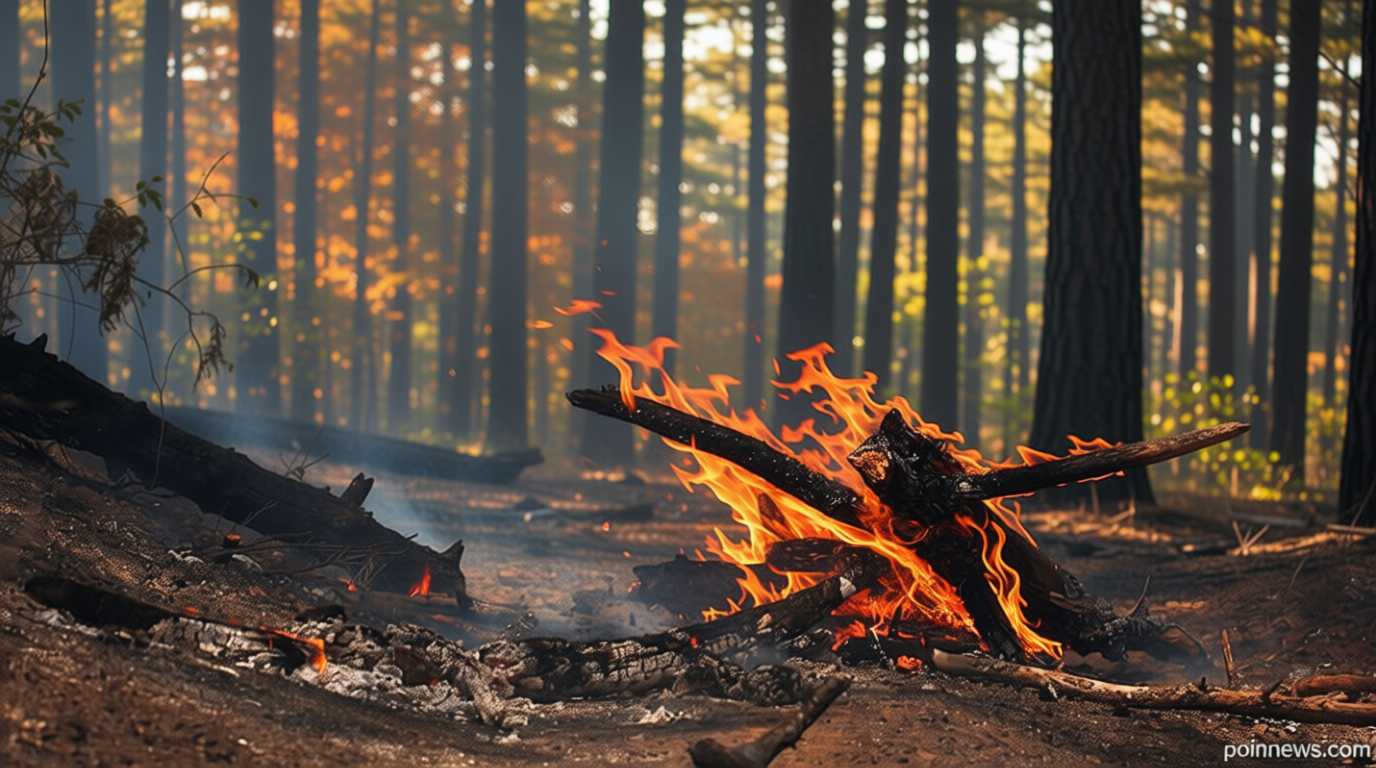
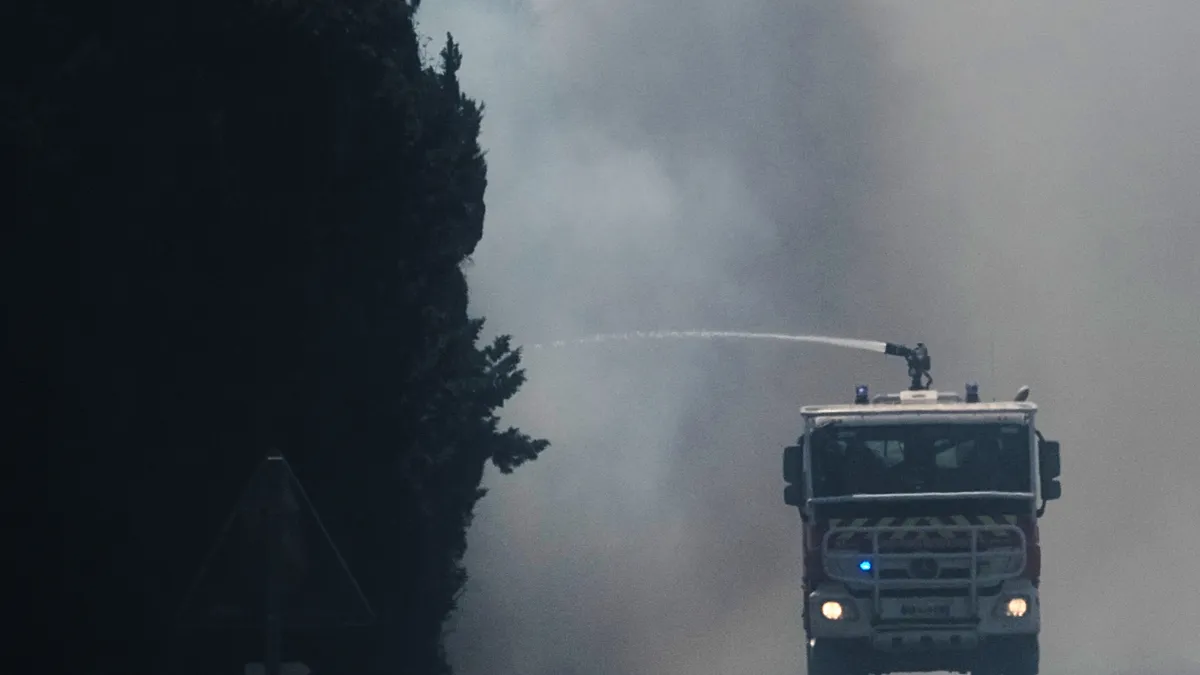
Poinews.com – A major wildfire has been burning fiercely in the Fontainebleau forest, situated roughly 60 kilometers southeast of Paris, during the height of a prolonged heatwave gripping France. The fire, which has been spreading rapidly since late Sunday, has already scorched nearly 300 hectares of land, raising concerns among local authorities about its potential to expand further. With temperatures soaring to record levels and humidity dropping to dangerously low levels, the blaze has become a significant environmental and safety challenge. Emergency services have been scrambling to manage the situation, deploying resources to halt the fire’s advance and protect nearby communities. This incident underscores the growing threat of wildfires in the region, exacerbated by the extreme weather conditions that have persisted for weeks.
The Heatwave’s Role in Fueling the Fire
The heatwave, which has been intensifying over the past several days, has created a perfect storm for wildfires. Temperatures in the area have reached up to 38°C (100°F), far exceeding the average summer highs, while wind speeds have increased, making it easier for the flames to leap from one tree to another. Experts have warned that such conditions not only accelerate the spread of the fire but also reduce the effectiveness of firefighting efforts, as water evaporates more quickly and aircraft struggle to drop enough extinguishing agents. The Fontainebleau forest, known for its dense vegetation and dry underbrush, has become a particularly vulnerable target. With the major wildfire rages south of Paris continuing to grow, officials are closely monitoring the situation to prevent it from reaching nearby towns or critical infrastructure.
Firefighting Challenges and Strategies
Containing the major wildfire rages south of Paris has proven to be a daunting task for emergency responders. Over 300 firefighters, along with two water-dropping planes, aerial units, and an observation drone, have been deployed to the scene. Despite their best efforts, the fire has resisted containment, forcing crews to work under grueling conditions. The heatwave has not only made the environment more dangerous for firefighters but also complicated logistics, as high temperatures and low visibility hinder coordination. To address the crisis, authorities have implemented a multi-pronged strategy, including creating firebreaks, evacuating residents from the surrounding areas, and utilizing advanced technology to track the fire’s movement. However, the scale of the blaze and the intensity of the heatwave suggest that the situation may require even more resources in the coming days.
Meanwhile, the incident has disrupted local transportation networks, with the A6 motorway, a key route between Paris and the coastal regions, experiencing gridlock due to the evacuation of nearby towns. Train services from Paris’s Gare de Lyon station have also faced delays, as the fire forced temporary closures and rerouting of trains. Commuters and holiday travelers have been affected, with some stranded for hours and others forced to take alternative routes. The impact of the major wildfire rages south of Paris extends beyond immediate danger, as the prolonged heatwave and fire have raised questions about the resilience of France’s infrastructure and emergency preparedness. Local authorities are working closely with regional agencies to assess the damage and plan for recovery, while also preparing for potential future wildfires in a climate increasingly prone to extreme weather events.
Environmental and Regional Implications
The fire has had a profound effect on the local ecosystem, threatening biodiversity and risking long-term damage to the region’s natural resources. The Fontainebleau forest, a protected area known for its rich flora and fauna, has seen its delicate balance disrupted as the flames consume vegetation and soil. Smoke from the blaze has spread across the region, affecting air quality and prompting health advisories for residents. Environmentalists have raised concerns about the impact of the major wildfire rages south of Paris on carbon emissions and the potential for soil erosion in the aftermath. The incident also highlights the vulnerability of the Île-de-France region to climate-related disasters, as the heatwave and fire have exposed weaknesses in preparedness and response systems. This has led to calls for increased investment in fire prevention and climate adaptation strategies.
As the situation continues to unfold, officials are emphasizing the importance of community cooperation and public awareness in managing the crisis. Residents in the affected areas have been advised to stay indoors during peak fire activity and to keep emergency exits clear. Local governments are also working to provide updates on the fire’s progress and to coordinate with neighboring regions to ensure a unified response. The major wildfire rages south of Paris has become a focal point for discussions about climate change and its role in intensifying natural disasters. With the heatwave expected to last for several more days, the outlook remains uncertain, and the need for sustained efforts to combat the blaze is more pressing than ever.