Video. Po river choked by algae bloom as Italy battles heat and navigability woes
om Amid Summer Heat Po river choked by algae bloom - The Po River, one of Italy’s most vital waterways, is currently facing a severe algae bloom crisis that

Italy’s Po River Struggles with Algae Bloom Amid Summer Heat
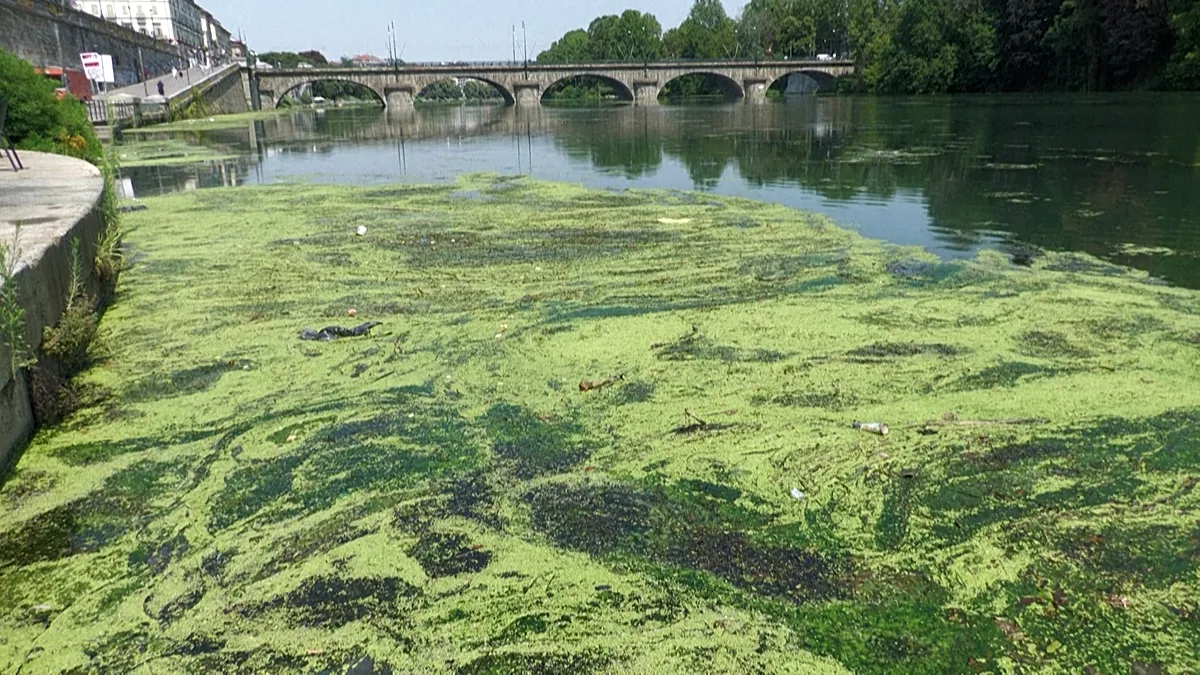
Poinews.com – The Po River, one of Italy’s most vital waterways, is currently facing a severe algae bloom crisis that has significantly impacted its navigability. As summer temperatures soar, the river near the Vittorio Emanuele I Bridge has become a battleground for environmental management, with city workers deploying a barge equipped with an excavator to clear thick layers of vegetation. This effort is part of a larger strategy to maintain the river’s functionality for both commercial and recreational use, despite the growing ecological challenges posed by climate change.
The Algae Bloom Crisis: Causes and Consequences
The algae bloom in the Po River is a direct result of the extreme heatwave gripping northern Italy, which has led to warmer water temperatures and increased sunlight penetration. These conditions create an ideal environment for cyanobacteria, also known as blue-green algae, to proliferate rapidly. The dense green mats now covering sections of the river are not only unsightly but also pose a threat to water quality, aquatic life, and the communities that rely on the river for transportation and leisure activities. Experts warn that the phenomenon is becoming more frequent, driven by rising global temperatures and human activities such as agricultural runoff and urbanization.
Authorities have emphasized that the algae bloom is more than a seasonal issue—it reflects a broader environmental challenge. In recent years, the Po River has experienced recurring problems with its navigability, exacerbated by the combination of high temperatures and nutrient-rich water. This has led to a decline in water flow, making it difficult for boats and barges to move freely. The situation is particularly critical in areas where the river is used for industrial transport, as algae accumulation can clog waterways and disrupt supply chains.
“The Po River’s algae bloom is a clear sign of how climate shifts are altering our natural systems,” said Elena Marcelli, a hydrologist with the Italian Environmental Protection Agency. “We’re seeing more frequent and intense algal blooms, which not only impact the river’s usability but also have long-term consequences for biodiversity and water ecosystems.”
Despite the challenges, local communities and industries are adapting to the changing conditions. Rowing clubs, for instance, have modified their training schedules to accommodate the affected stretches of the river, while fishermen and transport companies are exploring alternative routes. However, these short-term adjustments come with costs, as the need for constant maintenance and intervention has strained resources. The Po River’s condition also raises concerns about its role in Italy’s economy, particularly in regions dependent on its waterways for trade and tourism.
Long-Term Solutions and Ecological Implications
As the algae bloom persists, officials are looking beyond immediate cleanup efforts to address its root causes. Long-term solutions include stricter regulations on agricultural runoff, which contributes to nutrient pollution in the river, and investments in monitoring systems to track water quality in real time. Scientists are also studying how changes in land use and climate patterns might further impact the Po River’s health, suggesting that the problem could worsen unless sustainable practices are adopted.
The situation highlights the delicate balance between human activity and natural ecosystems. While the algae bloom has drawn attention to the river’s ecological vulnerabilities, it has also sparked discussions about the need for integrated water management strategies. These strategies would involve collaboration between local governments, environmental organizations, and industries to reduce pollution and enhance the river’s resilience to climate-related stressors. The Po River’s struggles serve as a case study for other waterways facing similar challenges, emphasizing the importance of proactive measures in safeguarding natural resources.
With summer temperatures expected to rise further in the coming weeks, the algae bloom in the Po River is likely to intensify. This has prompted officials to increase their monitoring efforts and allocate more funding to cleanup initiatives. The crisis has also raised public awareness about the effects of climate change on water systems, prompting calls for greater investment in infrastructure and environmental protection. As the Po River continues to choke under the weight of algae, its fate will be closely watched as a barometer for Italy’s ability to adapt to environmental shifts in the 21st century.