Video. Russian attack sets fire to a UNESCO-listed monastery in Kyiv
Kyiv Russian attack sets fire to a UNESCO - On June 15, 2026, a devastating Russian attack ignited a fierce fire at the Kyiv-Pechersk Lavra, a

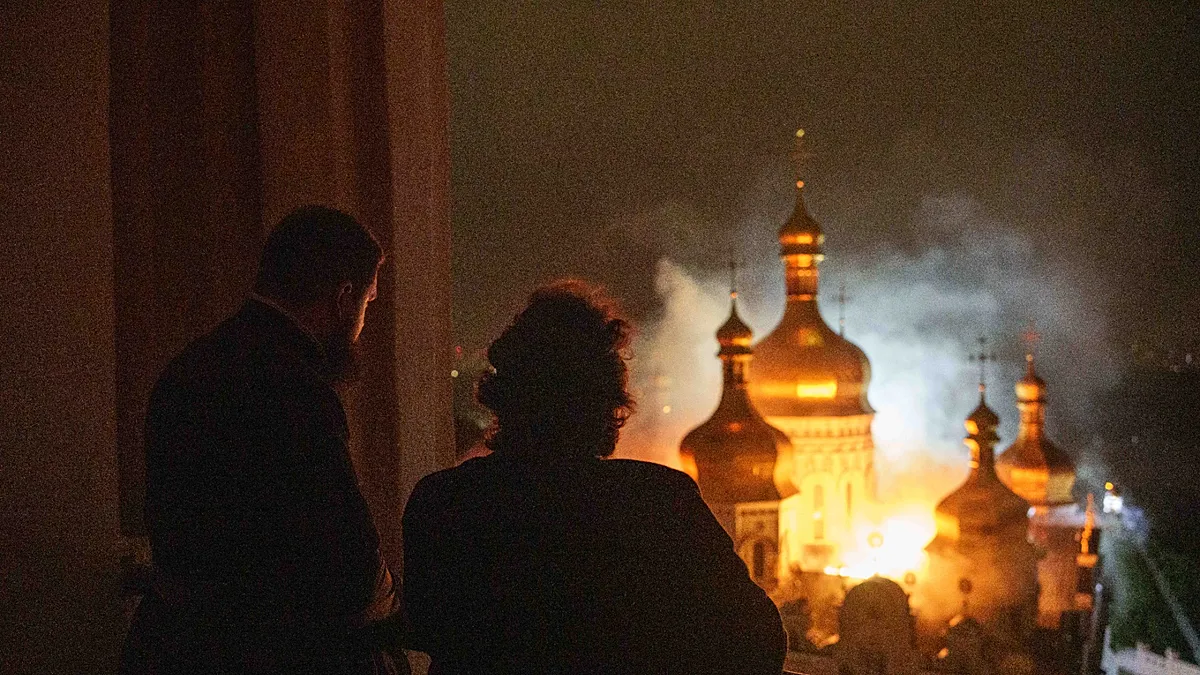
Russian Attack Sets Fire to a UNESCO-Listed Monastery in Kyiv
Poinews.com – On June 15, 2026, a devastating Russian attack ignited a fierce fire at the Kyiv-Pechersk Lavra, a UNESCO-recognized religious and cultural landmark in Kyiv. The assault, which involved a combination of drone strikes and missile attacks, targeted the historic monastery complex, sparking widespread concern over the preservation of Ukraine’s heritage. The footage of the attack, released by EuroNews, captures the chaos of the blaze as flames rapidly engulfed the centuries-old buildings, sending plumes of thick black smoke into the sky. This incident marks a significant escalation in the destruction of religious sites during the ongoing conflict, with the focus keyword “Russian attack sets fire” resonating strongly in the context of the attack’s immediate impact and historical significance.
The Kyiv-Pechersk Lavra: A Testament to History
The Kyiv-Pechersk Lavra, established in the 11th century, is one of the oldest and most revered monasteries in Eastern Europe. It has served as a spiritual and cultural hub for generations, housing artifacts, manuscripts, and religious icons that trace Ukraine’s Orthodox Christian legacy. The attack not only threatened the monastery’s physical structure but also symbolized the broader Russian strategy of targeting cultural and religious institutions to erode Ukrainian identity. Emergency services worked tirelessly to extinguish the flames, but the damage to the monastery’s iconic domes and ancient chapels has already raised fears of irreversible loss. The event has sparked renewed debates about the role of UNESCO in protecting heritage sites amid warfare.
Ukrainian authorities confirmed that the attack caused extensive damage to the monastery’s outer structures, including its iconic bell tower and stone walls, while the inner sanctuaries remained relatively untouched. This was the second major strike on the site in less than a month, following an earlier attempt that damaged a section of the complex.
Reactions and Implications of the Attack
Religious leaders and historians have strongly condemned the destruction, emphasizing the symbolic and emotional weight of the Kyiv-Pechersk Lavra’s plight. Patriarch Filaret of the Ukrainian Orthodox Church described the attack as a “blow to the soul of Kyivan Rus,” highlighting its importance as a living museum of medieval art and architecture. Meanwhile, international organizations such as UNESCO and the United Nations expressed alarm over the incident, calling for urgent measures to safeguard the site. The attack has also reignited discussions about the need for stricter protections for cultural landmarks in conflict zones, with many experts warning that the loss of such sites could have long-term consequences for Ukraine’s historical narrative.
The fire at the Kyiv-Pechersk Lavra has drawn global attention to the vulnerability of UNESCO-listed sites during wartime. While the immediate focus remains on rescue efforts and damage assessment, the event underscores the ongoing threat to Ukraine’s cultural heritage. The monastery’s survival will depend on swift intervention and sustained support from both local and international communities.
As the smoke cleared, officials began to evaluate the full extent of the damage. Preliminary reports suggest that the attack primarily affected the outer courtyards and administrative buildings, though the exact number of artifacts and manuscripts lost remains under investigation. The monastery’s storerooms, which housed rare religious texts, were partially damaged, raising concerns about the preservation of Ukraine’s literary and spiritual heritage. Efforts to restore the site are expected to take years, with experts stressing the importance of funding and international collaboration to ensure its recovery.
The UNESCO-listed monastery in Kyiv has become a poignant symbol of the war’s impact on cultural and religious sites. While the immediate destruction is alarming, it also serves as a rallying point for Ukrainian resilience and a reminder of the global community’s responsibility to protect historical treasures.
Amid the crisis, the Ukrainian government reiterated its commitment to defending the country’s heritage, vowing to prioritize the repair of the Kyiv-Pechersk Lavra. The incident has also prompted calls for increased diplomatic pressure on Russia to minimize civilian and cultural casualties. As the focus keyword “Russian attack sets fire” continues to dominate the narrative, the world watches closely to see how Ukraine’s cultural legacy endures in the face of relentless conflict. The destruction of the monastery is not just a local tragedy but a global event that highlights the intersection of war, history, and identity.