Video. Zelenskyy joins Macron and European leaders in Paris for Bastille Day
Zelenskyy Joins Macron and European Leaders in Paris for Bastille Day Zelenskyy joins Macron and European leaders - On July 14, Ukrainian President Volodymyr

Zelenskyy Joins Macron and European Leaders in Paris for Bastille Day
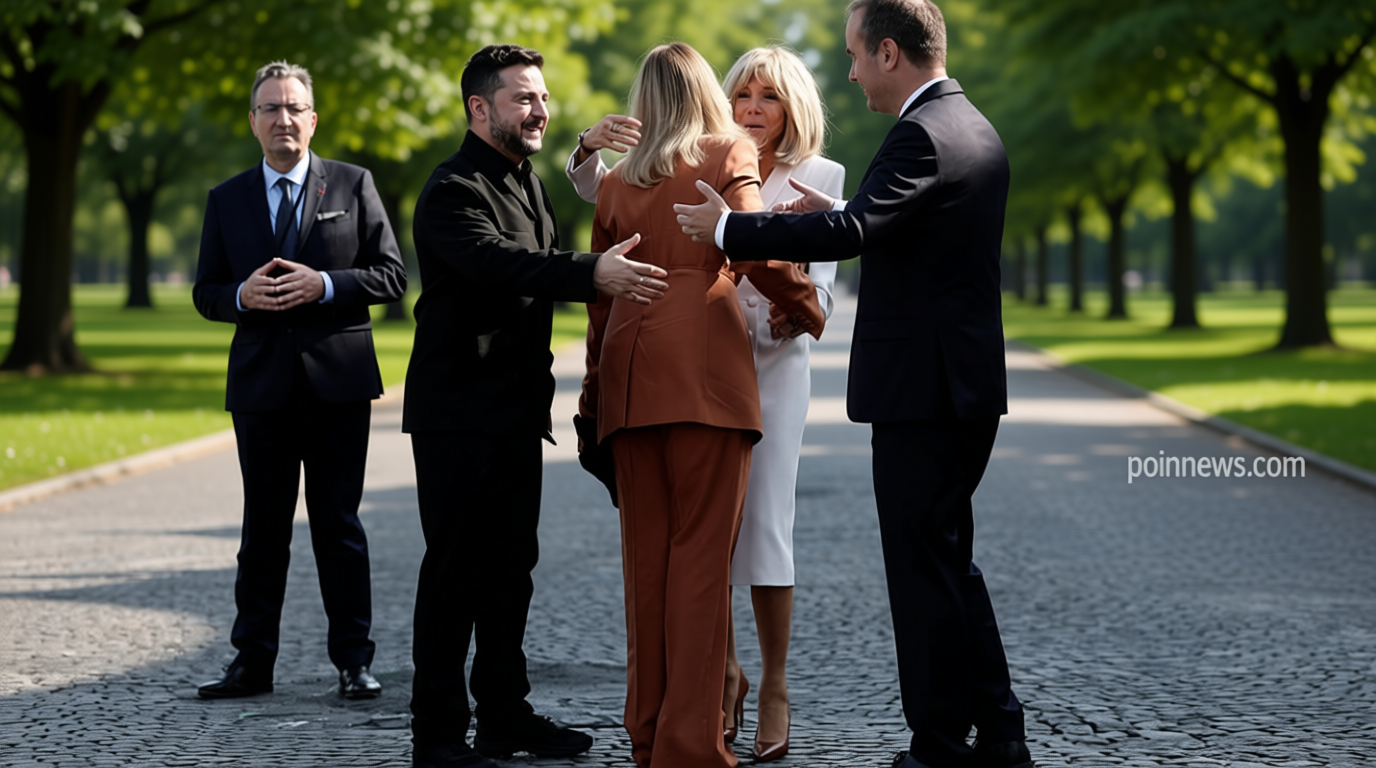
Poinews.com – On July 14, Ukrainian President Volodymyr Zelenskyy made a historic appearance at Paris’s Bastille Day celebrations, uniting with French President Emmanuel Macron and other European leaders to underscore the growing alliance between Ukraine and its European allies. This moment, captured in a video streamed by euronews, highlighted the shared commitment to regional security and the ongoing support for Ukraine amid its war with Russia. The event symbolized a deeper political and military partnership, with Zelenskyy’s presence signaling the importance of European solidarity in addressing global challenges.
A Global Gathering of Unity and Resolve
The Bastille Day parade in Paris, traditionally a celebration of French military prowess, transformed into a platform for international collaboration. Zelenskyy’s participation, alongside Macron and leaders from across the European Union, emphasized the alliance’s collective determination to strengthen Ukraine’s defenses. The parade featured military displays from multiple European nations, with Ukrainian troops marching in unison on the Champs-Elysees, a stark reminder of the country’s resilience and the solidarity it has fostered with its neighbors. French jets from the Patrouille de France performed aerial maneuvers, leaving trails of blue, white, and red smoke—a visual metaphor for the shared values of the European bloc.
Zelenskyy’s visit came at a pivotal time, as the war in Ukraine enters its third year. European leaders used the occasion to reaffirm their support for Kyiv, discussing measures to bolster military aid and economic resilience. The meeting also touched on broader security issues, including NATO’s role in the region and the need for continued sanctions against Russia. Macron, in his final Bastille Day parade as president, praised Zelenskyy’s leadership, calling it a “beacon of courage” that has inspired unity among European nations. Such diplomatic gestures are critical in maintaining momentum for Ukraine’s recovery and defense.
Environmental Adjustments and Their Impact on the Ceremony
Paris had relocated its traditional Bastille Day fireworks to July 13 due to wildfires and a heatwave that triggered a red-alert weather warning. This change allowed for a more focused celebration of security cooperation, as the city’s preparations were affected by environmental challenges. Despite the logistical shift, the event maintained its grandeur, with European leaders still present in full force. The decision to move the fireworks underscored the city’s adaptability and its priority on safeguarding both national and regional interests during a critical moment in the war.
Zelenskyy’s presence in Paris also drew attention to the intersection of environmental and security issues. Climate-related disruptions, such as the wildfires, have increasingly impacted military operations and humanitarian efforts. The leaders’ discussions during the Bastille Day event included the role of climate resilience in future defense strategies, linking environmental stewardship to geopolitical stability. This multifaceted approach reflects the evolving priorities of European nations, which now address both traditional security threats and emerging global crises.
Symbolism and Strategic Significance
The choice of Bastille Day as a backdrop for the meeting carried symbolic weight. Celebrating the French Revolution’s legacy of liberty and equality, the event became a powerful statement of the values underpinning the European alliance. For Ukraine, it represented a breakthrough in its efforts to integrate more deeply with European institutions. Macron’s tenth Bastille Day parade as president marked a transition, with the event serving as a final opportunity to showcase France’s role in supporting Kyiv. Zelenskyy’s participation reinforced the idea that Ukraine is not only a partner in the war but also a vital player in shaping Europe’s future security architecture.
European leaders expressed their confidence in Ukraine’s ability to withstand Russian aggression, with Zelenskyy’s speech emphasizing the importance of sustained solidarity. The meeting also highlighted the broader implications for European unity, as nations worked to align their strategies on defense, energy, and economic cooperation. By uniting at Bastille Day, the leaders demonstrated a shared vision for a secure and prosperous Europe, even as the war continues to reshape the continent’s geopolitical landscape.
Looking Beyond the Ceremony: Future Prospects
As the event concluded, the focus shifted to the next steps in the alliance’s strategy. Zelenskyy and Macron outlined plans to increase military support, including the potential for Ukraine to join NATO. The leaders also discussed the role of European unity in countering Russian influence, with Zelenskyy expressing gratitude for the collective commitment. This collaboration is expected to lead to long-term strategic partnerships, ensuring that Ukraine remains a key player in European security discussions. The Bastille Day gathering thus marked not just a celebration, but a turning point in the evolution of Ukraine’s relationship with its European neighbors.
With the war in Ukraine reaching new milestones, the event in Paris served as a reminder of the importance of multilateral cooperation. Zelenskyy’s participation reinforced the idea that the conflict is not just a national issue but a shared challenge requiring coordinated action. The leaders’ discussions set the stage for future collaborations, ensuring that the alliance remains strong in the face of evolving threats. As the world watches the outcomes of these efforts, the Bastille Day parade stands as a testament to the enduring partnership between Ukraine and Europe.