Europe Today: EU foreign ministers meet as Germany attributes drone attack to Russia
In this edition of Europe Today , the spotlight falls on a high-stakes gathering of EU foreign ministers in Ireland, convened just days after Berlin formally

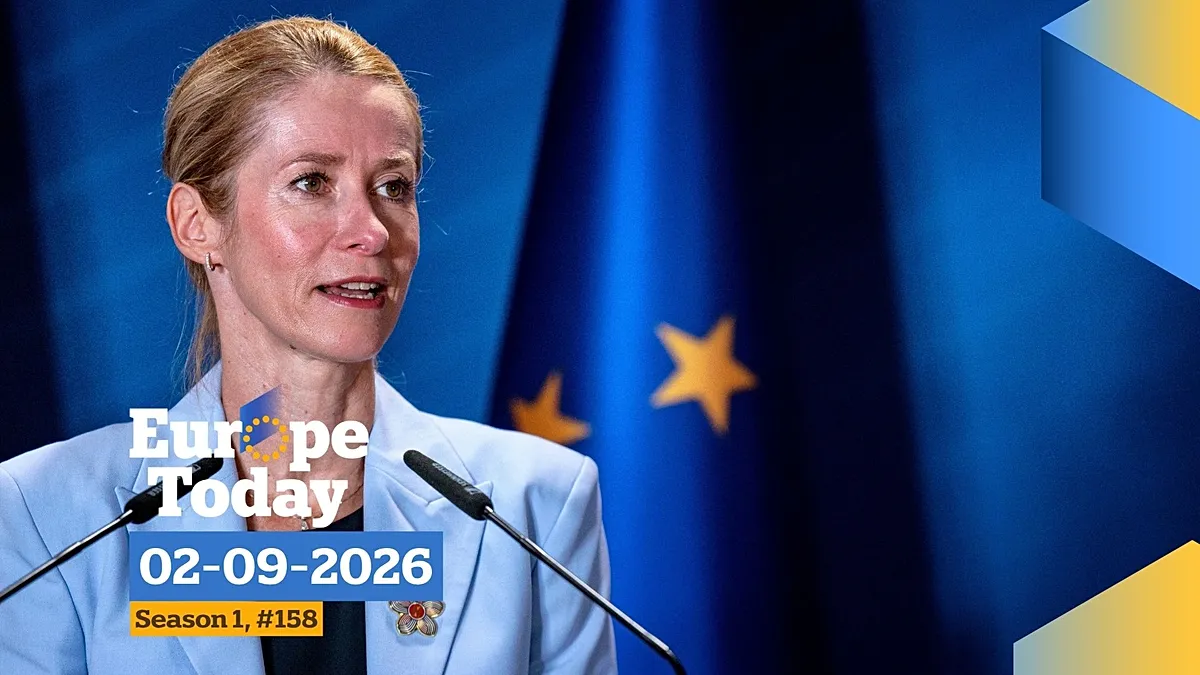
Table of Contents
Europe Today: EU Ministers Meet as Germany Blames Russia
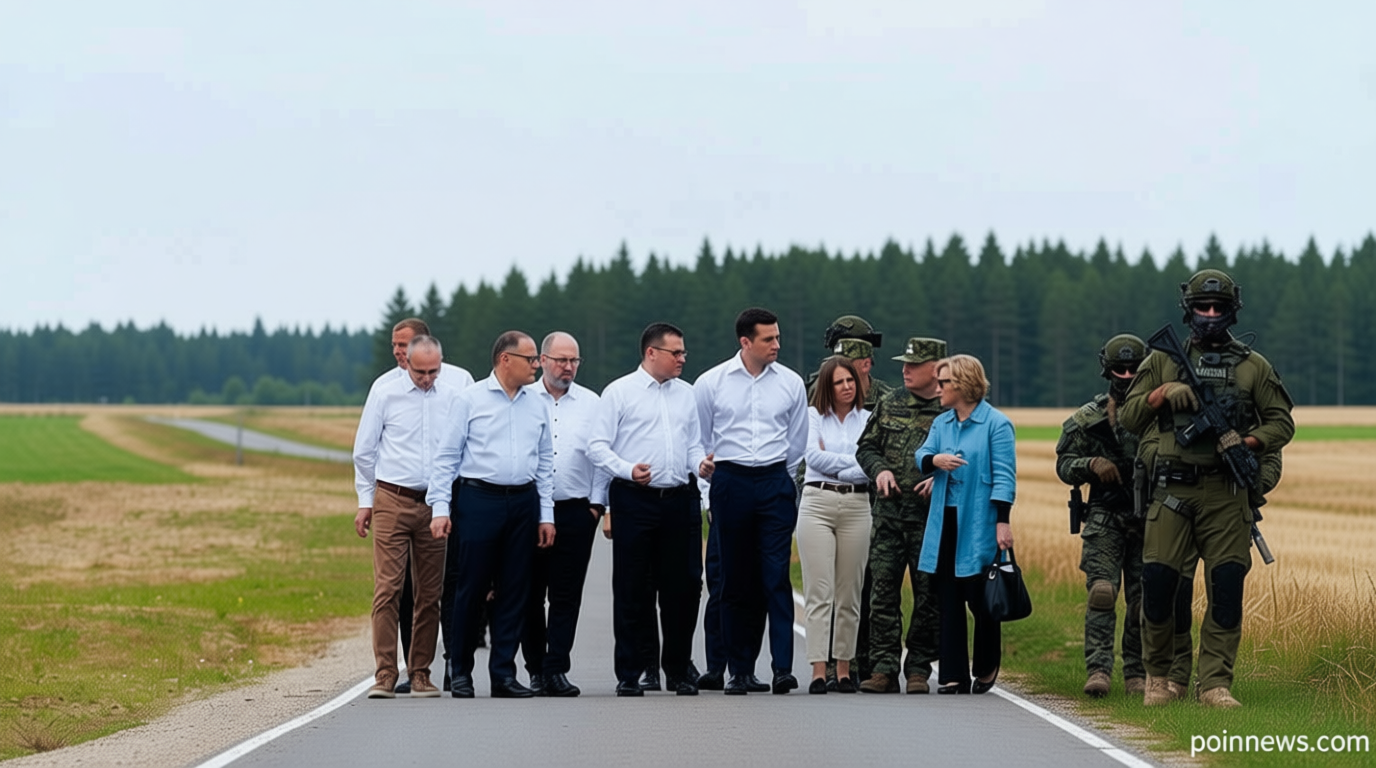
Poinews.com – In this edition of Europe Today, the spotlight falls on a high-stakes gathering of EU foreign ministers in Ireland, convened just days after Berlin formally attributed last month’s drone strike to Russia. That single act of naming has shifted the diplomatic temperature across the continent. Where Brussels had long preferred vague phrasing — “concerns,” “concerns about incidents” — Germany’s explicit attribution forces the bloc to decide whether its collective language will now match the sharper register of its largest economy. The ministers’ task is to thread that needle: signal unity without collapsing the fragile consensus of 27 capitals.
From Ambiguity to Attribution: What Changes at the Table
Calling out Moscow by name is not a rhetorical flourish; it unlocks a cascade of institutional levers. NATO’s Article-4 consultations, targeted sanctions design, and reconstruction financing all become easier to justify once responsibility is formally assigned. For the ministers seated in Ireland, the operative question has shifted from whether to condemn to how to sequence follow-on steps so that the bloc’s voice stays coherent while individual capitals retain bilateral flexibility. The scheduling tightens the pressure: Commission President Ursula von der Leyen is slated to sit down with NATO Secretary General Mark Rutte later the same day, meaning the EU’s top diplomat and the alliance’s chief will be digesting the identical attribution through separate institutional channels within hours.
Two Wars, One Continent: The Compounding Security Picture
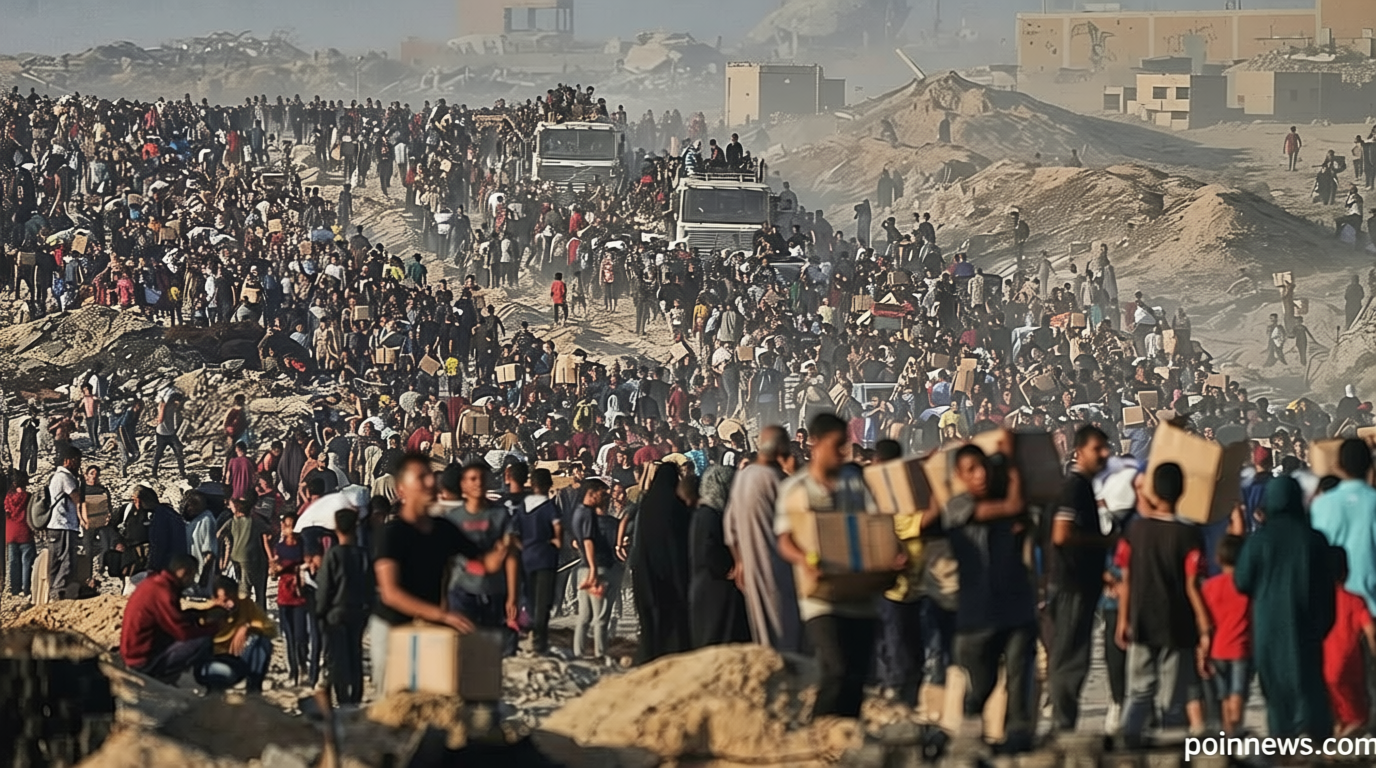
While the drone question dominates the Irish agenda, the wider threat environment continues to deteriorate on two axes simultaneously. Russia’s full-scale war against Ukraine has entered its fourth year with no visible negotiated off-ramp, and the Middle East conflict — reignited in recent weeks — is pulling fresh international attention and resources away from the European theatre. UN Secretary General António Guterres has called on world leaders to end both wars, a plea that carries particular urgency given how each conflict compounds global energy volatility, migration flows, and the already-strained capacity of multilateral bodies.
“The world cannot afford two simultaneous wars of this scale. Diplomacy must be given the space to work before the next escalation cycle begins.” — António Guterres, UN Secretary General
Strategists warn that the simultaneity of crises fractures European defence planning: every euro and every diplomat committed to one theatre reduces capacity in another, and political appetite for sustained long-term commitments erodes when public attention is split. The Irish session, in that light, is as much about bandwidth allocation across competing emergencies as it is about the drone incident itself.
Trade Clock: The October Deadline with China
A second thread running through the week’s Europe Today agenda concerns the bloc’s persistent trade imbalance with China. EU Trade Commissioner Maroš Šefčovič sits down for an exclusive interview with the programme’s EU editor, Maria Tadeo, as the October deadline for rebalancing approaches. The deficit — fuelled by surpluses of Chinese manufactured goods entering European markets while European exports confront non-tariff barriers — has become a recurring irritant in bilateral relations. Šefčovič’s remarks are expected to signal whether Brussels will pursue tariff recalibration, accelerate anti-subsidy probes, or lean on the existing trade-remedies toolkit. Several member states are pressing for a harder line; others caution against moves that could trigger retaliation on agricultural and automotive exports.
Romania’s €700 Million Funding Freeze
In a separate development with immediate budgetary consequences, Romania faces the loss of more than 700 million euros in EU funding after Bucharest failed to deliver reforms demanded by Brussels. The penalty mechanism, embedded in the EU’s conditionality framework, permits the Commission to suspend disbursements when member states miss agreed reform milestones. Dragoș Pîslaru, Romania’s Minister of European Investments and Projects, is interviewed by Europe Today anchor Méabh Mc Mahon to explain the government’s position and outline its remediation plan. For Romanian taxpayers and the regional development projects already in the pipeline, the withheld funds represent a tangible blow to infrastructure, digitalisation, and cohesion programmes slated for delivery over the next budget cycle.
How to Follow Europe Today
The coverage outlined above forms part of a weekday broadcast delivered at 8 am Brussels time. Viewers can access the programme on television, the broadcaster’s website, and digital streaming platforms. Each edition of Europe Today is structured around the day’s most consequential developments in European foreign policy, trade, and institutional governance.
Frequently Asked Questions
Why does Germany’s drone attribution matter for EU diplomacy?
Formal attribution moves the bloc from cautious ambiguity to explicit accountability, enabling specific legal and institutional responses — from NATO consultations to targeted sanctions — that were harder to justify under vague language. It also pressures other member states to align their public rhetoric with Berlin’s sharper tone.
What is the October trade deadline with China?
It marks the point at which the EU is expected to present a concrete plan for rebalancing its persistent trade deficit with China, including potential tariff adjustments, accelerated anti-subsidy investigations, or deployment of existing trade-remedy instruments.
Why is Romania losing EU funding?
Bucharest failed to meet reform milestones set under the EU’s conditionality framework. The Commission can suspend up to the agreed amount — in this case more than 700 million euros — until the required reforms are delivered.
When and where can I watch Europe Today?
The programme airs weekdays at 8 am Brussels time on television and is available on the broadcaster’s website and digital platforms. Each edition focuses on the day’s key European policy developments.