UN atomic watchdog demands urgent cooperation from Iran and access to nuclear sites
UN Atomic Watchdog Demands Urgent Cooperation from Iran on Nuclear Sites International Pressure Mounts as IAEA Urges Immediate Action UN atomic watchdog

UN Atomic Watchdog Demands Urgent Cooperation from Iran on Nuclear Sites
International Pressure Mounts as IAEA Urges Immediate Action
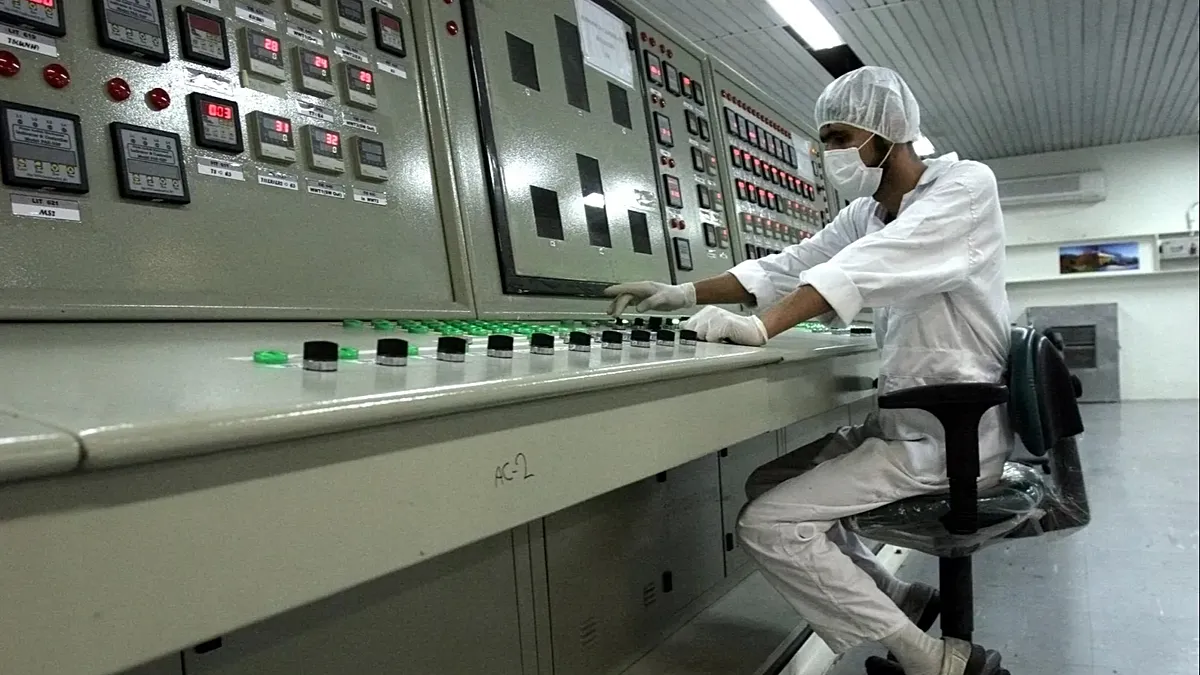
Poinews.com – The UN atomic watchdog has issued an urgent call for Iran to fully cooperate with the International Atomic Energy Agency (IAEA), emphasizing the need for access to nuclear facilities and transparent reporting of its enriched uranium stockpile. This demand comes amid rising concerns about Iran’s compliance with its nuclear safeguards obligations, as outlined in the agency’s latest resolution. The IAEA, tasked with verifying that nuclear materials are used for peaceful purposes, has highlighted that the lack of cooperation poses a significant risk to global non-proliferation efforts. The resolution underscores that Iran’s continued refusal to grant inspectors access to key sites could lead to a formal declaration of non-compliance, potentially escalating diplomatic tensions.
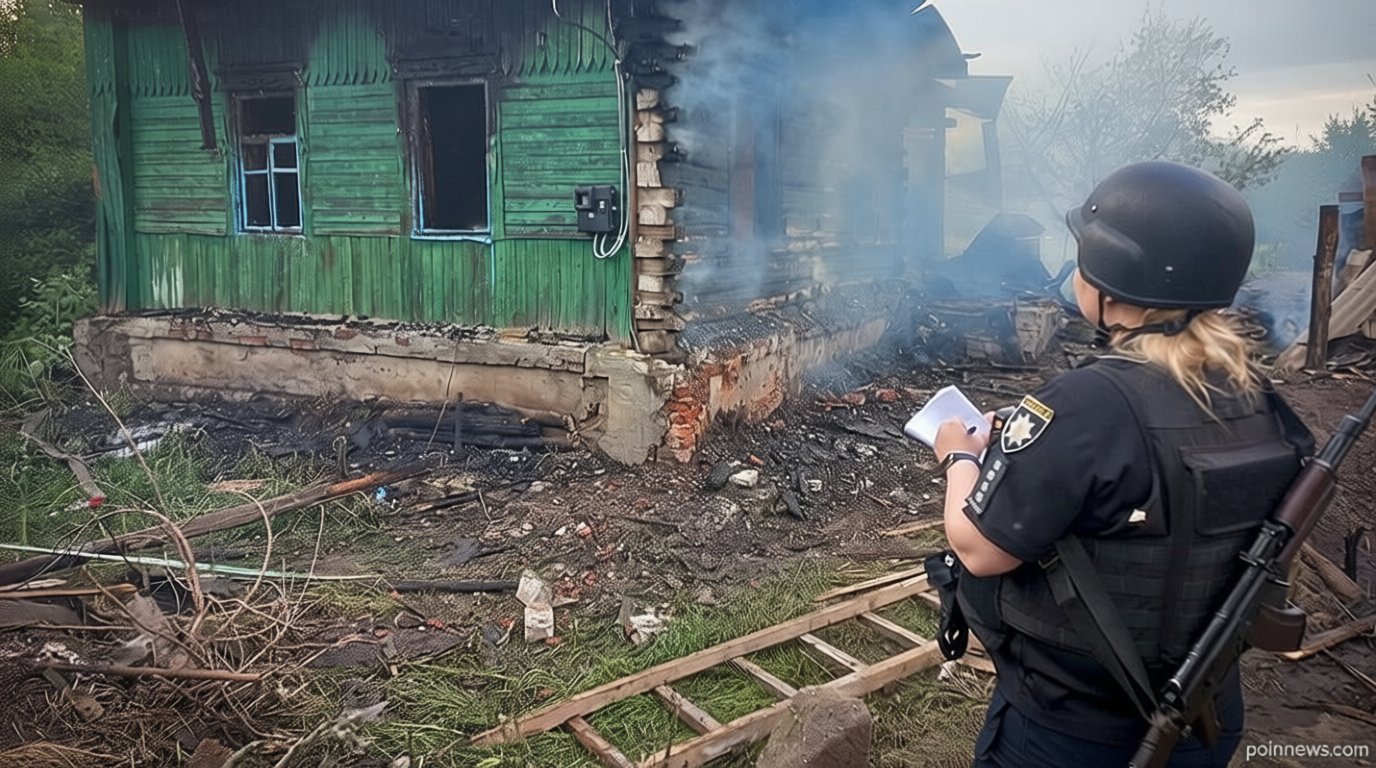
With the focus keyword “UN atomic watchdog demands urgent” naturally embedded in the opening paragraph, the resolution aims to reassert the agency’s authority in monitoring Iran’s nuclear activities. The move follows months of unresolved disputes over Iran’s enrichment levels and the origin of its nuclear material, which has raised alarms about the possibility of a covert weapons program. Diplomats from the IAEA’s 35-member board have stressed that the urgency of the situation requires swift action to prevent any ambiguity in Iran’s nuclear intentions. The resolution also calls for Iran to clarify its stance on recent airstrikes targeting its nuclear infrastructure, which have disrupted inspections and fueled suspicions of clandestine operations.
Geopolitical Context and Compliance Challenges
The demand for urgent cooperation from the UN atomic watchdog is not only a technical issue but also a geopolitical one. Tensions in the Middle East have been intensifying, with recent military actions by the US and Israel against Iranian nuclear sites serving as a catalyst for the IAEA’s renewed push for transparency. These strikes, which occurred in June 2025, left Iran’s nuclear facilities in disarray, complicating the agency’s verification process. As a result, the IAEA has been under pressure to provide conclusive evidence that Iran has not diverted nuclear material for military use, a charge it has been investigating since 2019.
Iran’s resistance to full cooperation has been a recurring theme, with the country citing its sovereign rights to protect its nuclear program. However, the IAEA has warned that the lack of access to critical sites could undermine confidence in Iran’s peaceful nuclear ambitions. The resolution passed by the board reflects a growing consensus among member states that Iran’s actions require immediate attention. Key supporters of the measure, including the United States, France, Germany, and the United Kingdom, have argued that the agency must act decisively to prevent the proliferation of nuclear weapons in the region. This urgency is amplified by the potential for Iran to produce fissile material at a faster rate than previously believed.
Key Concerns: Uranium Stockpile and Safeguards Violations
At the heart of the IAEA’s concerns is Iran’s possession of 440.9 kilograms of uranium enriched to 60% purity, a level that is technically close to the 90% threshold required for weapons-grade material. IAEA Director General Rafael Grossi has noted that this stockpile could be sufficient to manufacture up to ten nuclear bombs if Iran decides to weaponize its program, though the agency has not yet confirmed the presence of such weapons. The resolution highlights that Iran’s failure to provide clear explanations about the origin and current status of this material represents a critical breach of its obligations under the Nuclear Non-Proliferation Treaty.
Iran has consistently maintained that its nuclear program is entirely civilian, pointing to its enrichment activities as evidence of peaceful intentions. However, the IAEA’s findings suggest that the country may have hidden some of its nuclear material in undeclared locations, raising questions about its transparency. The agency’s board has expressed “deep regret” over Iran’s persistent non-compliance, marking the first time in two decades that the IAEA has formally declared Iran in breach of its safeguards agreement. This decision follows a series of inspections that revealed discrepancies in Iran’s nuclear inventory, prompting calls for stricter measures to ensure accountability.
Investigating Undeclared Sites and Technical Evidence
The IAEA’s ongoing investigation into uranium traces found at multiple undisclosed sites in Iran has intensified scrutiny of the country’s nuclear activities. Since 2019, Iran has failed to provide technically credible answers about the origin of these materials, which could indicate the existence of a hidden weapons program. The agency’s inspectors have been working to confirm whether these sites are connected to Iran’s nuclear infrastructure, a process that has been hindered by limited access and delays in documentation. The UN atomic watchdog demands urgent cooperation from Iran to resolve these discrepancies and prevent further escalation of the situation.
Despite the resolution’s focus on Iran’s cooperation, the IAEA has not yet taken the step of referring the matter to the UN Security Council. This decision allows the agency to gather more evidence before considering formal sanctions. However, the resolution leaves the door open for future action, should Iran continue to withhold information. The urgency of the IAEA’s request is underscored by the potential for Iran to rapidly expand its nuclear capabilities, which could have far-reaching implications for regional stability and international security. As the agency continues its work, it remains dependent on Iran’s willingness to grant inspectors full access to its facilities and share detailed data on its nuclear program.