Is it possible to rejuvenate damaged human cells? US biotech firm tests new gene therapy
Rejuvenating Damaged Human Cells: Gene Therapy Paves the Way for Medical Breakthrough Is it possible to rejuvenate damaged human cells?

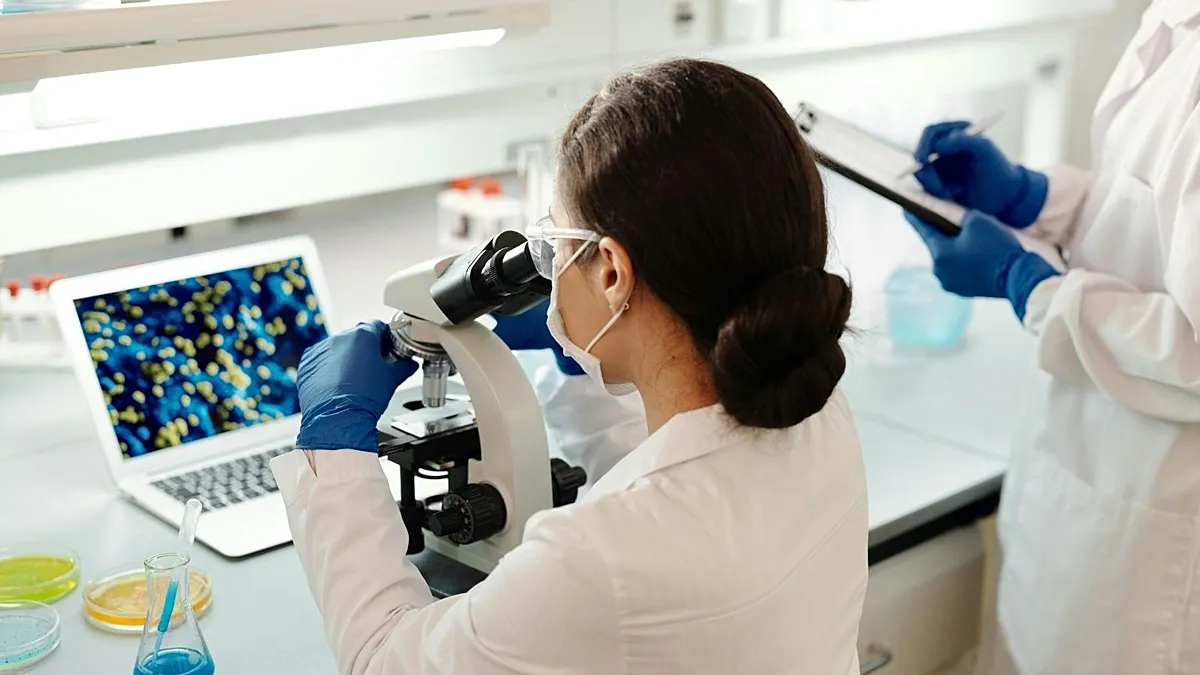
Rejuvenating Damaged Human Cells: Gene Therapy Paves the Way for Medical Breakthrough
Poinews.com – Is it possible to rejuvenate damaged human cells? A major step forward in cellular regeneration has been taken as a U.S. biotech firm, Life Biosciences, pioneers a groundbreaking gene therapy to reverse aging in human tissues. The experimental treatment, known as ER-100, is currently undergoing its first human trial, offering hope for addressing age-related decline and chronic diseases. By targeting the epigenetic mechanisms that govern cellular function, this therapy aims to restore vitality to aged or injured cells, potentially transforming how we approach degenerative conditions.
At the heart of this innovation lies the use of OSK factors—Oct4, Sox2, and Klf4—proteins that play a critical role in partial epigenetic reprogramming. This process mimics the natural resetting of genetic activity seen in stem cells, allowing cells to shed the molecular “ageing” marks that accumulate over time. Unlike DNA mutations, which are permanent, epigenetic changes are reversible, making this approach a promising avenue for rejuvenating human cells without altering their core genetic code. Scientists believe that by reactivating these proteins, they can combat the gradual loss of cellular function linked to diseases like optic neuropathies and metabolic disorders.
“Is it possible to rejuvenate cells in humans through this method? Our findings suggest that by restoring epigenetic information, we may halt or even reverse the biological aging process,” explained Dr. David Sinclair, a Harvard Medical School professor and co-founder of Life Biosciences. This statement underscores the potential of the therapy to not only treat specific conditions but also to address the broader question of whether cellular rejuvenation is a viable medical strategy.”
Life Biosciences’ clinical trial focuses on individuals with optic neuropathies, a group of conditions that damage the optic nerve and lead to progressive vision loss. The therapy targets open-angle glaucoma (OAG) and non-arteritic anterior ischemic optic neuropathy (NAION), both of which cause irreversible damage to vision. OAG results from blocked eye drainage systems, while NAION stems from sudden blood flow reduction to the optic nerve. By applying the OSK gene therapy to these patients, researchers hope to observe whether rejuvenated cells can improve visual function and delay disease progression.
How the Therapy Works: Epigenetic Resetting in Action
Epigenetic reprogramming involves modifying gene expression patterns without changing the DNA sequence itself. The OSK proteins act as molecular switches, reactivating genes associated with youth and cellular health while silencing those that contribute to degeneration. This technique builds on the Nobel Prize-winning discovery of induced pluripotent stem cells, which demonstrated that mature cells could be reprogrammed to a more youthful state. Life Biosciences has refined this concept, focusing on localized rejuvenation rather than full cellular reprogramming, which could minimize side effects and maximize therapeutic benefits.
Phase I trials of the therapy are expected to evaluate safety and initial efficacy. Participants will receive gene therapy via intraocular injections, targeting retinal cells affected by optic neuropathies. If successful, the treatment could set a precedent for similar interventions in other organs, such as the liver or heart, where cellular aging plays a significant role in disease. Researchers are also exploring the possibility of using this method to treat neurodegenerative conditions like Parkinson’s and Alzheimer’s, expanding the scope of cellular rejuvenation research.
Is it possible to rejuvenate cells in humans? The answer may soon be clearer as Life Biosciences continues its clinical trials. The company’s approach has already shown promise in animal models and primates, where it reversed age-related cellular changes and improved tissue function. By applying this technology to human patients, scientists are testing whether the same benefits can be achieved in complex biological systems. If the trial yields positive results, it could mark a turning point in regenerative medicine, offering a new way to combat the effects of time and disease.