What to know about the EU’s new migration and asylum reforms as they come into effect
m Reforms: Key Details as They Take Effect What to know about the EU s - What to know about the EU's new migration and asylum reforms is essential for

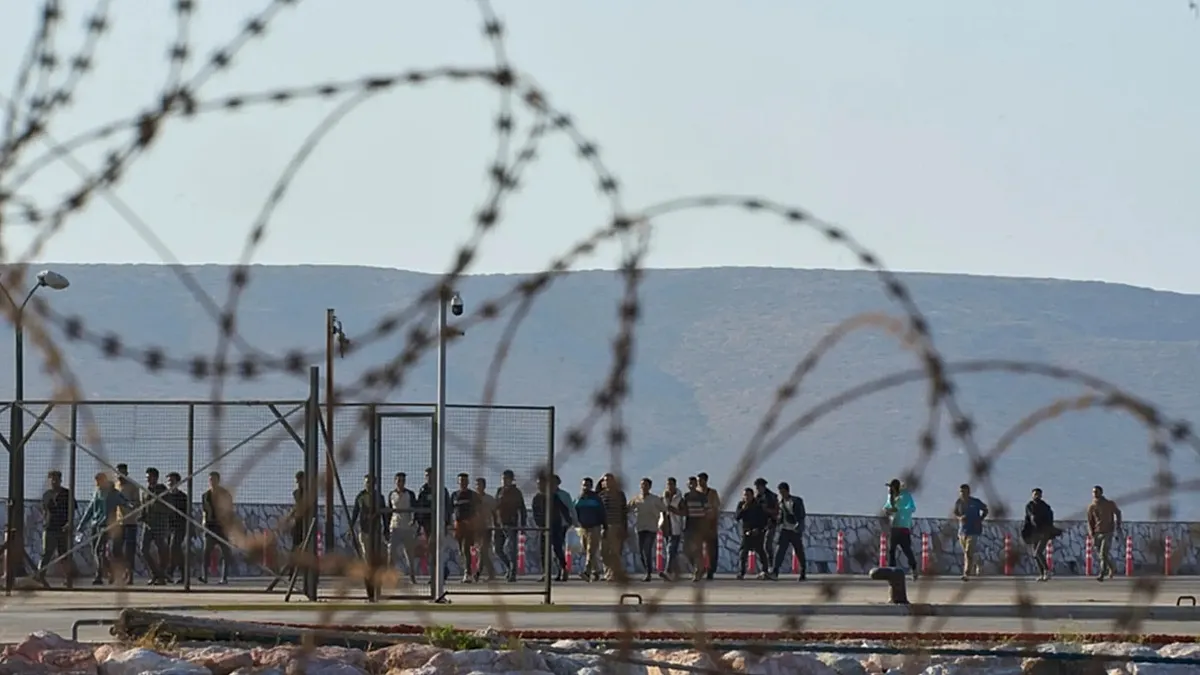
EU Migration and Asylum Reforms: Key Details as They Take Effect
Poinews.com – What to know about the EU’s new migration and asylum reforms is essential for understanding the changes taking effect this week. The European Union has implemented a major overhaul of its migration and asylum policies, aimed at creating a more unified and efficient system across member states. The reforms, which began on Friday, introduce stricter border controls, a centralized asylum process, and mechanisms to redistribute responsibility for refugees. These changes are designed to address the EU’s long-standing challenges in managing migrant flows, particularly in response to crises like the 2015-2016 surge. By streamlining procedures and introducing new tools, the EU seeks to balance national sovereignty with collective action, ensuring that all member states contribute to managing the refugee crisis.
Streamlined Identity and Security Checks
The new framework mandates that individuals arriving in the EU without legal authorization undergo identity and security assessments within seven days. This process involves collecting biometric data, including facial recognition and fingerprints, to be stored in a centralized database. The goal is to categorize applicants quickly, distinguishing those eligible for expedited processing from those requiring standard procedures. For instance, migrants from countries with high rejection rates, such as Morocco and Bangladesh, will face faster decisions, aligning with the EU’s broader strategy to reduce processing times for high-risk cases. These measures are intended to strengthen the bloc’s ability to identify individuals who may pose a security threat or are not in need of asylum.
Accelerated Asylum Procedures and Rapid Decision-Making
One of the central aspects of the reform is the acceleration of asylum applications for certain groups. The EU has prioritized efficiency by setting a 12-week timeline for processing applications from individuals deemed unlikely to receive refugee status. This includes those from nations like Egypt or Nigeria, where over 80% of asylum claims are rejected. The policy emphasizes rapid decision-making to prevent prolonged stays in detention and reduce administrative backlogs. However, critics argue that this could lead to hasty decisions, potentially overlooking genuine asylum needs. The EU aims to ensure that these reforms provide a fair yet timely process, reflecting its commitment to managing migration flows more effectively.
Relocation Mechanisms and Shared Responsibility
A key component of the reforms is the relocation plan, which requires member states to accept a minimum of 30,000 asylum seekers annually. This system allows countries struggling with large arrivals to transfer responsibility to others, with a financial support structure to compensate for costs. For example, states receiving relocated applicants are paid €20,000 per person to offset expenses. The plan is designed to alleviate pressure on frontline nations such as Italy, Greece, and Malta, which have historically borne the brunt of migrant influxes. By distributing the burden more evenly, the EU hopes to foster solidarity among member states and ensure that all countries contribute to the asylum system, as outlined in the focus keyword What to know about the EU.
Emergency Response and Border Flexibility
The EU has introduced an emergency response framework to handle sudden migration surges. This system allows for temporary reductions in asylum protections, enabling extended detention periods at external borders during crises. Drawing from the 2015-2016 influx, which saw over two million arrivals, the mechanism aims to provide flexibility while maintaining control. It includes provisions for rapid deployment of resources and coordination between member states. While this approach has been praised for its proactive stance, it also raises concerns about the potential for stricter border policies to be applied during high-pressure situations, as emphasized by the focus keyword What to know about the EU.
Geopolitical Tensions and Migratory Manipulation
The reforms also target the What to know about the EU’s efforts to counter the instrumentalisation of migration by external actors. Countries like Belarus and Russia have been accused of intentionally pushing migrants into the EU to pressure the bloc politically. The new system includes provisions to identify and penalize such practices, ensuring that migration is used as a tool for diplomacy rather than a means of destabilization. This aspect highlights the EU’s growing awareness of the interconnectedness between migration and geopolitics, as well as its determination to maintain control over the process. The reforms are a response to the complex challenges of managing both humanitarian and political aspects of migration.
Human Rights Concerns and Implementation Challenges
While the reforms aim to enhance efficiency, they have also sparked debates about human rights. Rights organizations warn that the emphasis on rapid processing could lead to prolonged detention of migrants, including children, for extended periods. This raises concerns about the welfare of vulnerable groups and the potential for political agendas to overshadow humanitarian needs. Additionally, the implementation of these reforms faces delays in a dozen member states due to technical issues, such as database integration challenges. The What to know about the EU’s ability to enforce these changes will depend on how quickly member states adapt to the new system, ensuring compliance with both procedural and humanitarian standards.
“For the first time, we have a comprehensive European system,” said Magnus Brunner, the European Union’s migration chief. His statement underscores the EU’s ambition to create a unified approach to migration and asylum, but the success of the reforms will ultimately hinge on their practical application and the willingness of member states to cooperate. As the new rules take effect, the focus will shift to monitoring their impact and addressing concerns about fairness, efficiency, and human rights.