Sands of time: Denmark’s sculpture festival goes back to the Middle Ages for inspiration
's Sculpture Festival Returns to Medieval Roots Sands of time - The Sands of Time festival, a renowned event in Denmark, has taken a captivating turn by

Sands of Time: Denmark’s Sculpture Festival Returns to Medieval Roots
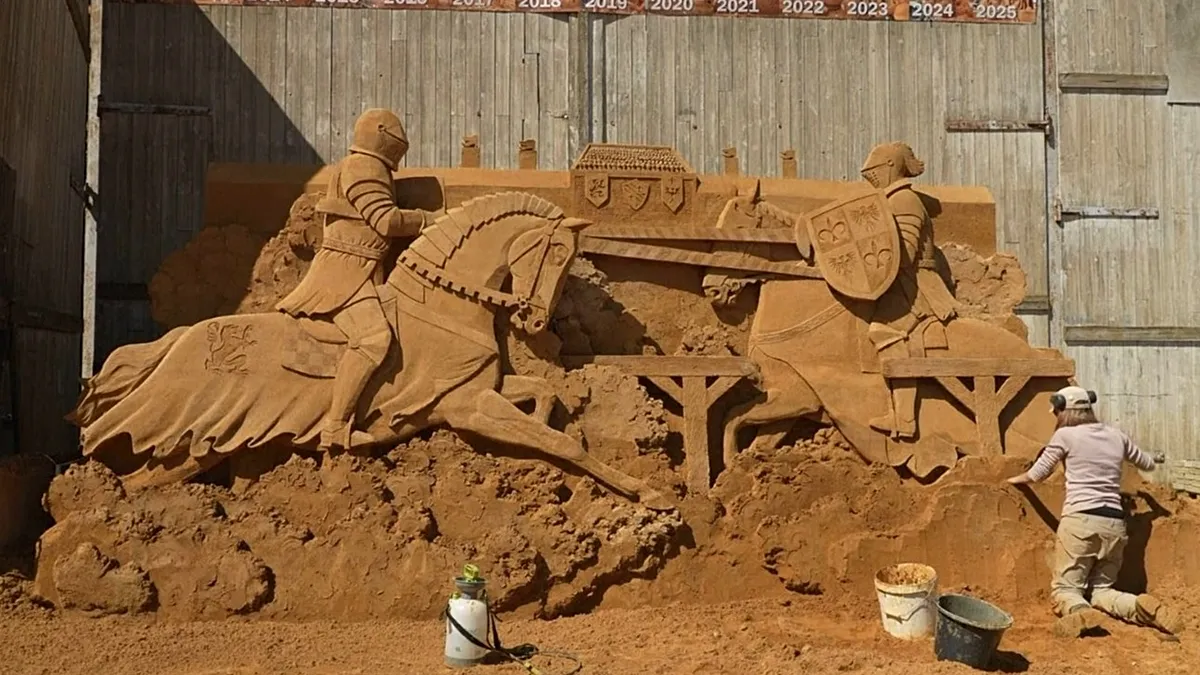
Poinews.com – The Sands of Time festival, a renowned event in Denmark, has taken a captivating turn by reviving the artistic spirit of the Middle Ages. For the first time in its history, the Hundested Sand Sculpture Festival is drawing inspiration from medieval themes, showcasing how ancient narratives and craftsmanship continue to influence contemporary art. This year’s edition promises a unique blend of history, creativity, and environmental storytelling, with artists from across Europe and beyond reimagining the past through towering sand structures.
The Medieval Vision: From Knights to Myths
This year’s theme, “Sands of Time,” invites sculptors to explore the cultural and historical tapestry of the Middle Ages. The festival’s organizer, Christian Warrer, emphasized the significance of the theme, noting that it connects the event to local heritage. “We uncovered stories from Denmark’s medieval past, including the legend of a once-thriving market that shaped the region’s identity,” Warrer shared. These narratives serve as a foundation for the festival’s artistic interpretations, merging the raw power of sand with the rich symbolism of medieval life, myths, and legends.
The selection of medieval motifs reflects a deliberate effort to honor the era’s storytelling traditions. From knights in armor to castles under siege, the sculptures bring to life scenes that once defined European history. Artists like Joris Kivits, a Dutch sculptor with over 20 years of experience, have embraced this challenge. “The Sands of Time festival allows us to connect with historical themes in a way that feels both timeless and fresh,” he remarked. His piece, “The Kings’ Game,” captures the essence of medieval diplomacy through a symbolic chess match, highlighting how art can bridge the past and present.
Unique Materials and Techniques: Crafting Timeless Art
What sets the Sands of Time festival apart is its use of a specially formulated sand mix, designed to withstand the elements. Unlike regular beach sand, this blend incorporates a small amount of clay, giving the sculptures a rock-like resilience. “This sand is sourced from a quarry and is essential for the longevity of the artworks,” Warrer explained. The material choice not only enhances the durability of the sculptures but also adds a tactile dimension to the creative process, allowing artists to experiment with texture and form in ways that mirror the permanence of medieval architecture.
The process of creating these sand sculptures is as intricate as the themes they represent. Each piece takes several days to complete, requiring meticulous planning and execution. Artists often work in teams, using tools like rakes, molds, and hand-carving techniques to achieve intricate details. The festival’s location, a beach near Copenhagen, provides a dramatic contrast between the temporary nature of sand and the enduring stories it encases. This juxtaposition—of ephemeral art and timeless narratives—has become a hallmark of the Sands of Time experience.
The festival’s emphasis on medieval artistry also extends to its interactive elements. Visitors are encouraged to engage with the sculptures, which are displayed in public spaces and open for exploration throughout the event. The Sands of Time concept has been further amplified by the inclusion of historical reenactments and educational workshops, offering deeper insight into the era’s cultural practices. These additions transform the festival into a multidimensional celebration of heritage, where art and history coexist in a dynamic dialogue.
A Cultural Legacy in Motion
By centering the festival around medieval themes, organizers aim to foster a renewed appreciation for the past while inspiring contemporary creativity. “The Sands of Time festival is more than a display of art—it’s a tribute to the Middle Ages and their enduring influence on modern culture,” Warrer stated. This approach has resonated with both local and international participants, who see the opportunity to reinterpret historical figures and events in innovative ways. The result is a diverse collection of sculptures that range from abstract interpretations of medieval symbols to hyper-realistic recreations of iconic scenes.
One of the festival’s most compelling aspects is its ability to connect audiences with historical narratives through visual storytelling. For example, a sculpture depicting a medieval market scene not only showcases the craftsmanship of the artists but also invites visitors to imagine the bustling life of the past. The Sands of Time festival has become a platform for exploring how medieval aesthetics—such as geometric patterns, heraldic symbols, and architectural forms—can be adapted to modern contexts. This fusion of old and new creates a unique cultural dialogue, making the event both educational and immersive.
The festival’s success also highlights the growing interest in historical themes within the art world. As the event draws over 60,000 visitors, it demonstrates the universal appeal of storytelling through sculpture. The Sands of Time concept has sparked conversations about the role of history in contemporary art, proving that the past can be as vibrant and relevant as the present. This year’s festival is expected to leave a lasting impression, with its themes and techniques setting a new standard for the genre.