Seaplanes: Greece-Albania link takes off, with more international routes planned
ute Launches, Expanding International Air Connectivity Seaplanes - The first seaplane service linking Greece and Albania has officially commenced, marking a

Greece-Albania Seaplane Route Launches, Expanding International Air Connectivity
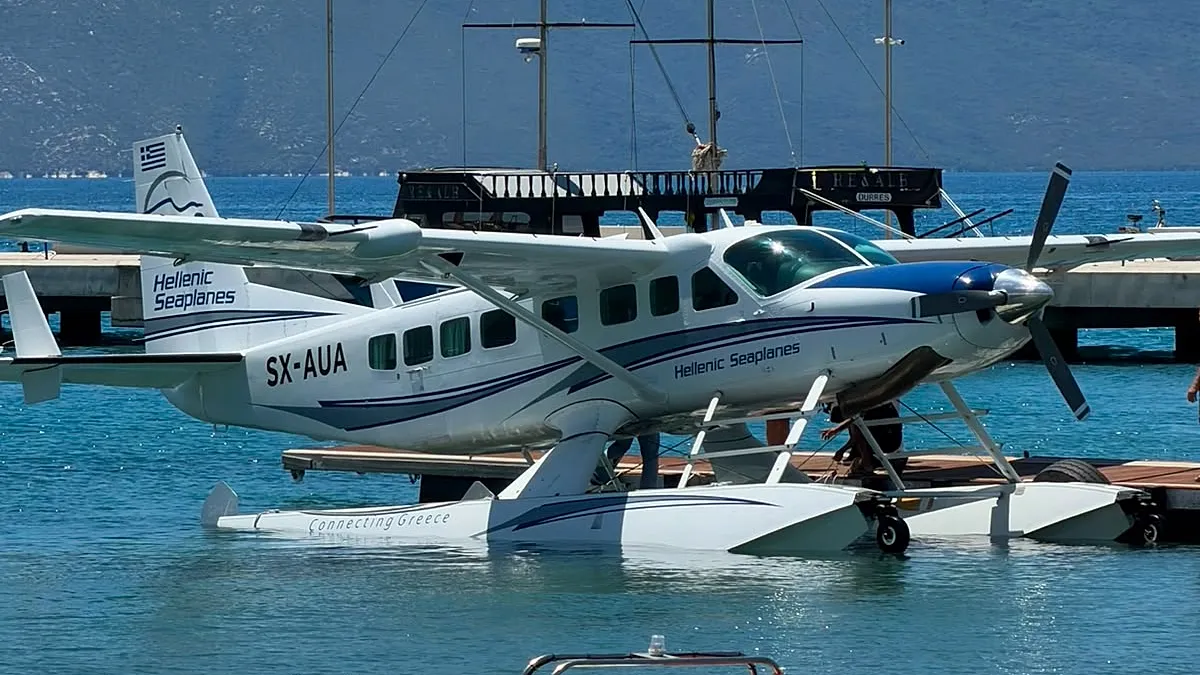
Poinews.com – The first seaplane service linking Greece and Albania has officially commenced, marking a significant milestone in regional transport. This direct seaplane route, operating between Ioannina in northwestern Greece and Vlorë in southern Albania, is a groundbreaking development that showcases the potential of maritime air travel. As part of a broader strategy to enhance cross-border mobility, the service is expected to boost tourism, reduce travel times, and create new economic opportunities in the Balkans. With seaplanes now connecting the Ionian Sea to the Adriatic, the initiative underscores the growing importance of seaplane networks in modern aviation.
Seaplanes as a Game-Changer for Mediterranean Connectivity
Seaplanes have long been a vital component of air travel in coastal regions, but their role in international routes has been limited until recently. The Greece-Albania link is the first of its kind between the two nations, utilizing seaplanes to navigate the open waters of the Mediterranean. This route not only reduces reliance on traditional land-based connections but also offers a unique blend of speed and scenic travel. With seaplanes landing on water, the service provides an environmentally friendly alternative to conventional flights, minimizing carbon footprints while maintaining efficiency.
The route’s success is attributed to the collaboration between Hellenic Seaplanes, a Greek-based company specializing in water-based air transport, and Albanian aviation authorities. The partnership reflects a shared vision to modernize transport infrastructure and strengthen ties between the Balkans and the broader Mediterranean region. Hellenic Seaplanes has previously operated routes within Greece, connecting islands and coastal cities, but this new service represents a major leap toward international expansion. By leveraging seaplanes, the company aims to create a sustainable and cost-effective network that serves both commercial and tourism purposes.
Future Plans for a Pan-Mediterranean Seaplane Network
Following the successful launch of the Greece-Albania seaplane route, officials and industry leaders are already eyeing further expansion. Hellenic Seaplanes has outlined ambitious plans to extend its operations across the Adriatic, Ionian, and Eastern Mediterranean, with potential routes connecting Greece to North Africa and beyond. This strategic growth is expected to reduce travel times for passengers and cargo, fostering greater economic integration. The company’s focus on seaplane routes highlights a shift toward using coastal waters as natural highways, a concept that could redefine air travel in the region.
Experts predict that the Greece-Albania seaplane service will serve as a model for future international routes. By bridging the gap between Greece and Albania, the service has demonstrated the feasibility of seaplane travel in connecting landlocked and coastal areas. The route’s opening has also sparked discussions about the potential for similar services in the Balkans, where mountainous terrain and limited road networks often hinder travel. With seaplanes offering a flexible and accessible solution, the potential for a Pan-Mediterranean network is becoming increasingly tangible.
Environmental advocates have welcomed the Greece-Albania seaplane route as a step toward greener aviation. Compared to traditional aircraft, seaplanes typically consume less fuel and produce fewer emissions, making them a more sustainable option for short-haul flights. This shift aligns with global efforts to reduce the carbon footprint of the aviation industry, which accounts for nearly 2.5% of global CO₂ emissions. As seaplane operations grow, they may play a key role in achieving regional and international climate goals while supporting local economies through increased tourism and trade.
The launch of this seaplane route also highlights the growing demand for alternative travel options in the Mediterranean. With increasing congestion on land and sea routes, seaplanes offer a viable solution for connecting remote or underdeveloped areas. The Greece-Albania link is just one example of how seaplane services can revolutionize transportation, creating new opportunities for travelers and businesses alike. As more international routes are planned, seaplanes are poised to become a cornerstone of modern air travel, bridging continents while preserving the natural beauty of coastal regions.