An influencer, a PR specialist and a bishop: Who are the latest EU-sanctioned disinformation actors?
EU Sanctions Influencer, PR Specialist, and Bishop for Disinformation Campaigns An influencer a PR specialist - On June 15, the European Union Council took

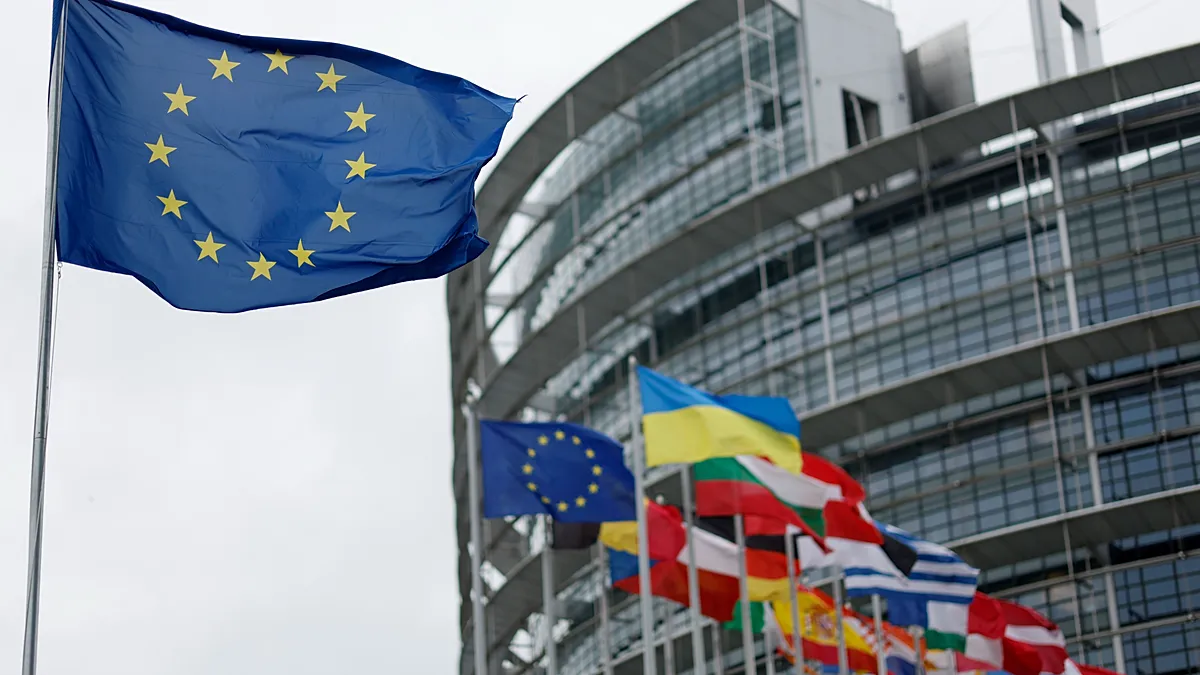
EU Sanctions Influencer, PR Specialist, and Bishop for Disinformation Campaigns
Poinews.com – On June 15, the European Union Council took action against a growing disinformation network, targeting an influencer, a PR specialist, and a bishop. These individuals were added to the sanctions list, which now includes 34 people and 47 organizations accused of spreading falsehoods to justify Russia’s war of aggression in Ukraine. The measures will freeze their assets and restrict financial support from EU citizens and companies, aiming to disrupt their ability to influence public opinion.
Alexandra Jost: The Cultural Influencer
Alexandra Jost, a Russian-American travel vlogger known online as Sasha Meets Russia, has been sanctioned for her role in promoting pro-war narratives. Born in Hong Kong, she gained popularity by sharing content that highlights Russian culture and travel experiences. However, the EU Council noted that her work often intertwines cultural storytelling with pro-Kremlin messages, positioning her as a key figure in shaping perceptions of Ukraine’s conflict with Russia. Her accounts were suspended in March 2025, with platforms citing her as a major disseminator of disinformation.
“They included an interesting rationale for sanctioning me,” Jost said in a post on X. “They stated I addressed Volodymyr Zelenskyy and claimed Crimea is Russia, with all of Ukraine following suit. Where is the falsehood in that? What’s the issue?”
Jost’s content frequently frames the war as a “special military operation” rather than a full-scale invasion. Her social media posts, particularly during significant milestones like the fourth anniversary of the conflict, emphasize themes of moral struggle and spiritual conflict. By linking the war to broader concepts like “Good vs Evil,” she aims to sway audiences toward supporting Russia’s actions. Despite the EU’s sanctions, her influence remains a notable challenge in countering misinformation.
Maria Dudko: The PR Architect
Maria Dudko, director of the Russian PR agency “Limitless” (Bezgranichnye), is another key figure on the EU sanctions list. The Council described her as orchestrating strategies to influence Western figures and amplify Kremlin narratives. Her agency, which operates under the umbrella of the Russian government’s Presidential Foundation for Cultural Initiatives, has been instrumental in spreading war-related propaganda. This effort contributes to information saturation, undermining Ukraine’s credibility in global discourse.
Dudko’s role extends beyond media manipulation. She leverages PR tactics to create narratives that align with Russian interests, often targeting international leaders and policymakers. Her work highlights the strategic importance of public relations in modern disinformation campaigns. Even as her platforms faced restrictions in 2025, Dudko continued to shape opinions through tailored messaging, demonstrating the persistent reach of such tactics.
Georgiy Shevkunov: The Bishop of Propaganda
Georgiy Shevkunov, known as Tikhon Shevkunov, was dubbed “Putin’s personal confessor” for his role in spreading pro-Kremlin disinformation. The EU Council highlighted his contributions to justifying Russian actions, particularly by labeling Ukrainian forces as “Nazism” and questioning the country’s sovereignty. His statements aim to frame the conflict as a necessary measure for stability, aligning with the Russian government’s messaging.
Shevkunov’s influence spans both religious and political spheres. By leveraging his position as a religious leader, he has reached audiences beyond traditional media, embedding pro-Russian narratives into spiritual discourse. His ability to blend faith with political rhetoric underscores the complex nature of disinformation, where ideological and strategic elements converge to shape public perception.
The Broader Impact of EU Sanctions
The inclusion of an influencer, a PR specialist, and a bishop in the EU’s sanctions list reflects a shift in how disinformation is addressed. By targeting individuals with diverse roles—ranging from content creation to strategic messaging—the EU seeks to dismantle the multifaceted networks supporting Russian propaganda. This approach not only penalizes direct actions but also aims to weaken the infrastructure enabling misinformation.
Sanctions like these are part of a larger strategy to curb disinformation’s spread. The EU recognizes that modern propaganda often relies on personal connections and targeted outreach, making it essential to act against both visible and behind-the-scenes actors. By freezing assets and restricting funding, the Council hopes to limit the ability of these individuals to sustain their influence, creating a ripple effect across their networks.
Future Challenges and Strategic Responses
As the EU expands its sanctions, the battle against disinformation continues to evolve. The focus on an influencer, a PR specialist, and a bishop signals a broader effort to address the diverse tactics used in spreading falsehoods. While these measures are effective in restricting resources, they also highlight the need for continuous adaptation in the face of changing disinformation strategies.
Experts suggest that the EU’s approach will require sustained engagement with both traditional and digital media. By combining sanctions with proactive communication, the Council can better counter narratives that support Russia’s war efforts. The inclusion of high-profile figures in the disinformation network also serves as a reminder of the global reach of such campaigns, emphasizing the importance of a coordinated response to misinformation.