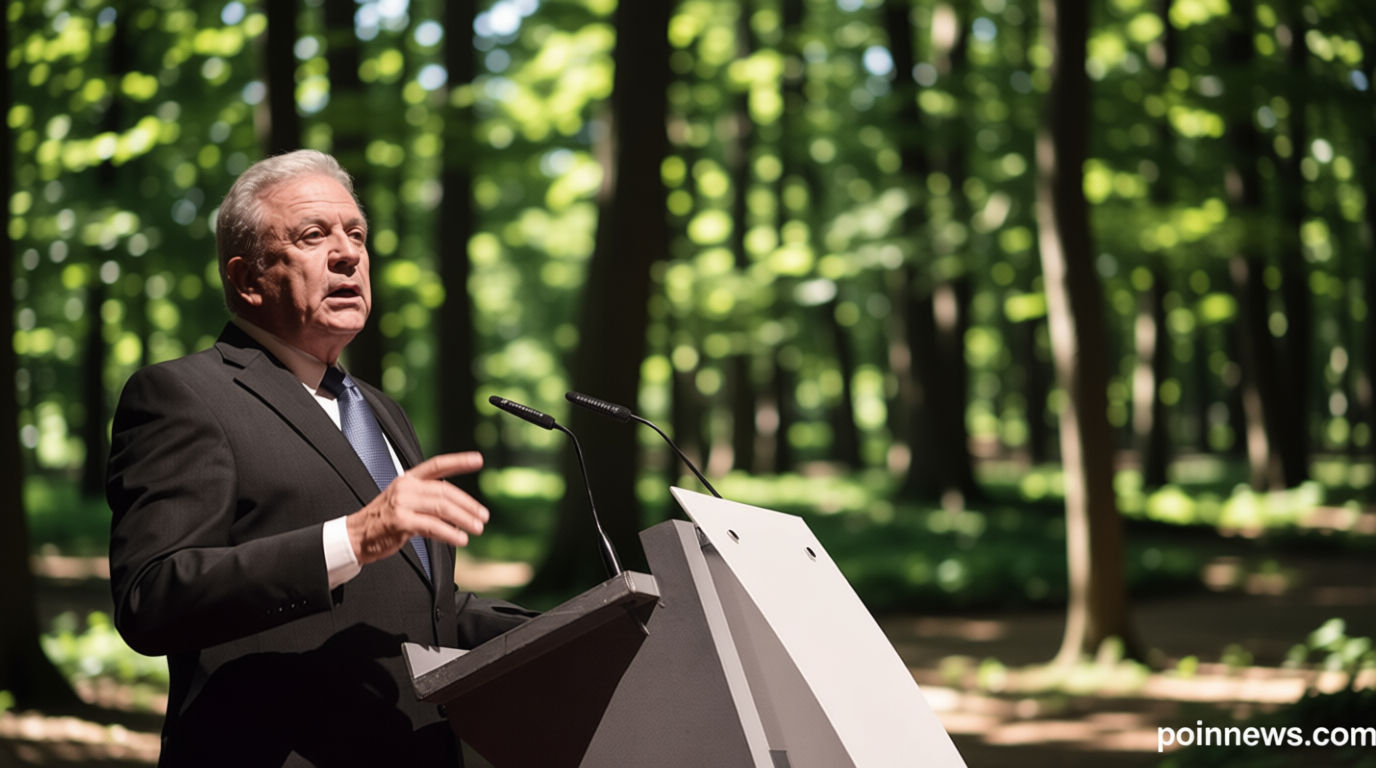
Six takeaways from the G7 summit in Évian
Six takeaways from the G7 summit: s from the G7 summit - G7 leaders convened in Évian-les-Bains, France, to tackle urgent global challenges, ranging from the

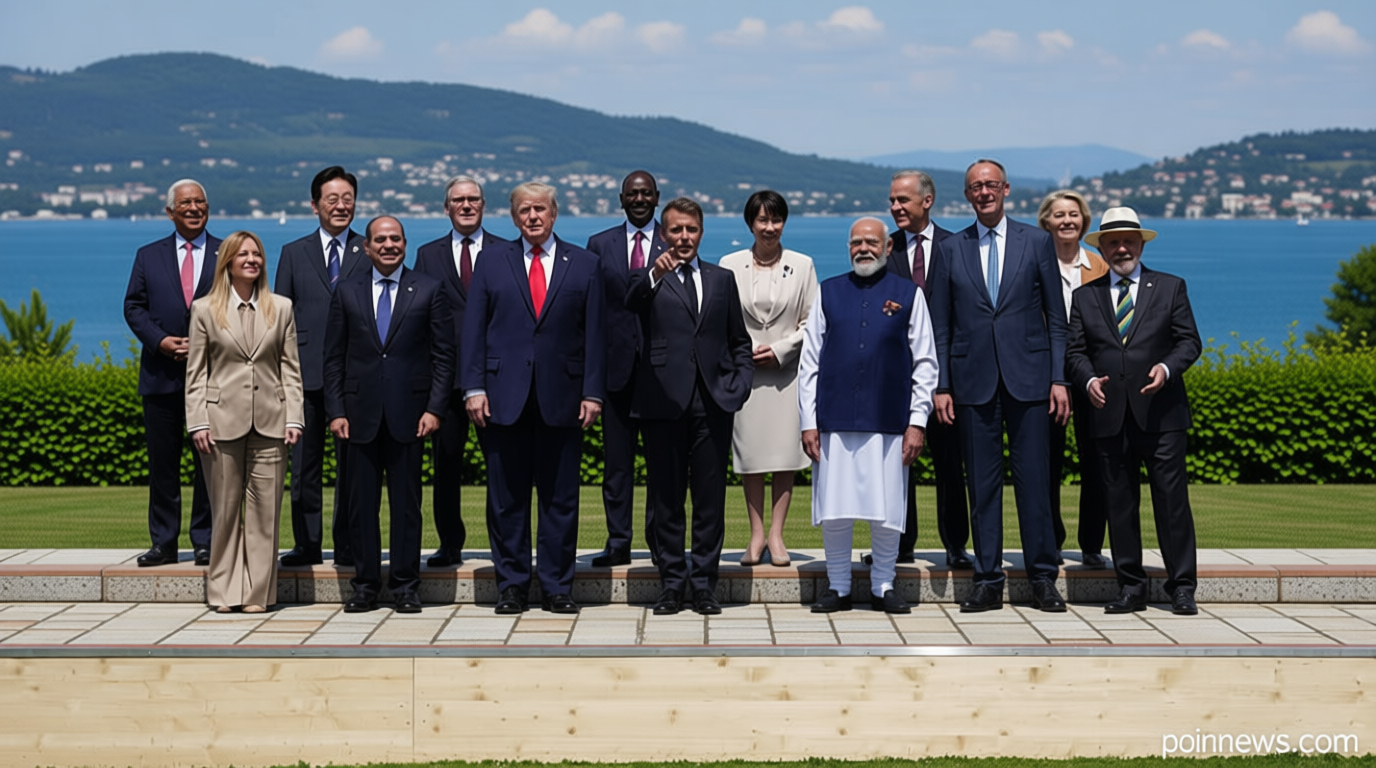
Key Insights from the G7 Summit in Évian
Poinews.com – G7 leaders convened in Évian-les-Bains, France, to tackle urgent global challenges, ranging from the ongoing conflict in Ukraine to the evolving peace process in the Middle East. Despite earlier concerns about diplomatic discord, the gathering was marked by a notable sense of unity, with “convergence” becoming a recurring theme. The event unfolded more smoothly than its predecessor, and U.S. President Donald Trump’s cooperative stance eased tensions among participants.
Ukraine’s Strategic Gains
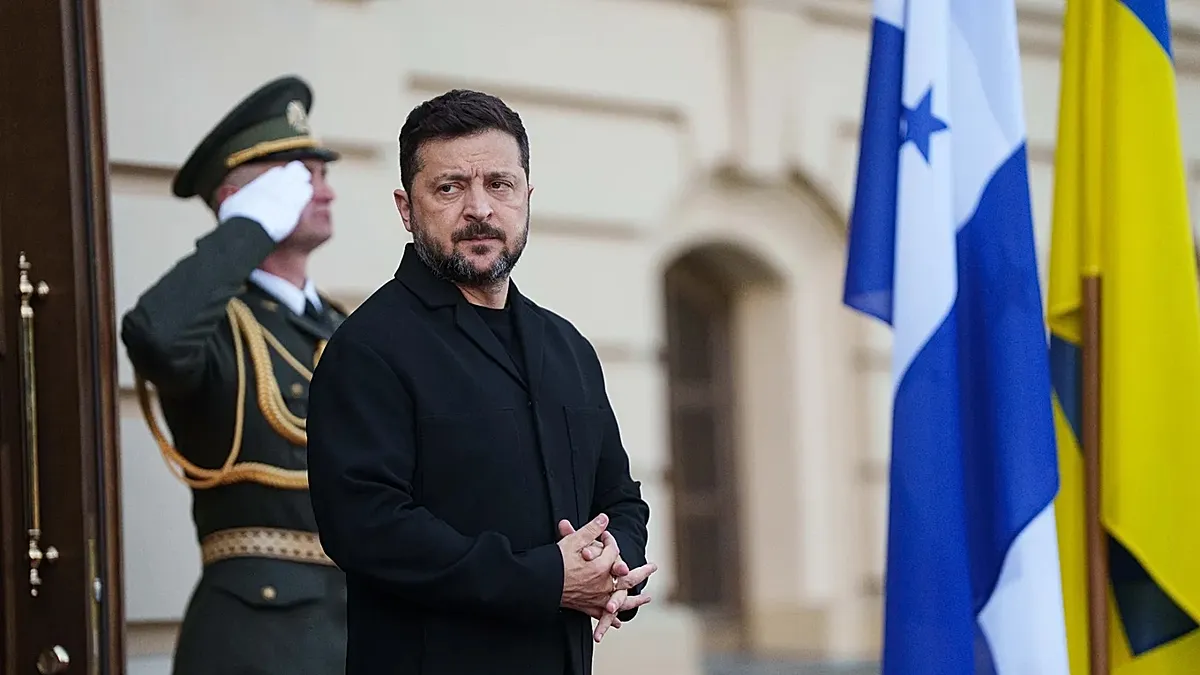
The war-torn nation emerged as a focal point, securing strong backing from Western allies. While President Volodymyr Zelenskyy did not achieve a one-on-one meeting with Trump, the collective support reaffirmed the G7’s commitment to Ukraine’s security. Leaders pledged to expedite the supply of air defense systems, bolster energy infrastructure, and intensify sanctions against Russia. A pivotal moment came as they
“were ready to consider”
granting Ukraine access to U.S.-produced Patriot systems, crucial for countering Russian assaults. Trump’s tentative endorsement of this measure, after previously dismissing it, signaled a shift in his approach.
Peace Talks in the Middle East
Discussions on the Middle East gained momentum following the U.S.-Iran agreement to finalize a peace deal. The details of this framework were revealed during the summit, drawing attention to its key provisions: Tehran’s promise to forgo nuclear weapons and open the Strait of Hormuz freely, in exchange for sanctions relief. Western leaders expressed optimism about the deal’s potential to stabilize energy markets, while Trump’s allies remained skeptical. The agreement also highlighted the Strait of Hormuz’s role in driving energy prices, a concern for economies reliant on global trade.
AI and Tech Collaboration
Artificial intelligence emerged as a central议题, with tech CEOs like those from Anthropic and OpenAI joining leaders for a working lunch. The conversation underscored the need for balanced AI integration, addressing risks such as synthetic child sexual abuse material and conversational chatbots. A key point of debate was the U.S. decision to restrict access to advanced AI models, raising fears that other nations might face similar barriers. This move prompted leaders to emphasize the importance of shared technological standards and access.
China’s Shadow Over the Summit
China’s economic model cast a long shadow over discussions on sustainable growth. The joint statement referenced the country’s state-driven policies and subsidies, noting their impact on global imbalances. Leaders called for coordinated action to reduce disparities, urging nations with large external surpluses—particularly China—to prioritize domestic growth and avoid policies with harmful ripple effects. While the declaration acknowledged the need for specific measures, details remained vague, leaving room for individual national strategies.