Von der Leyen told EU leaders it’s right time to consider a mandate for talks with Russia
Von der Leyen Urges EU to Consider Talks with Russia Amid Ukraine Crisis Von der Leyen told EU leaders - During a pivotal summit with EU leaders on Thursday

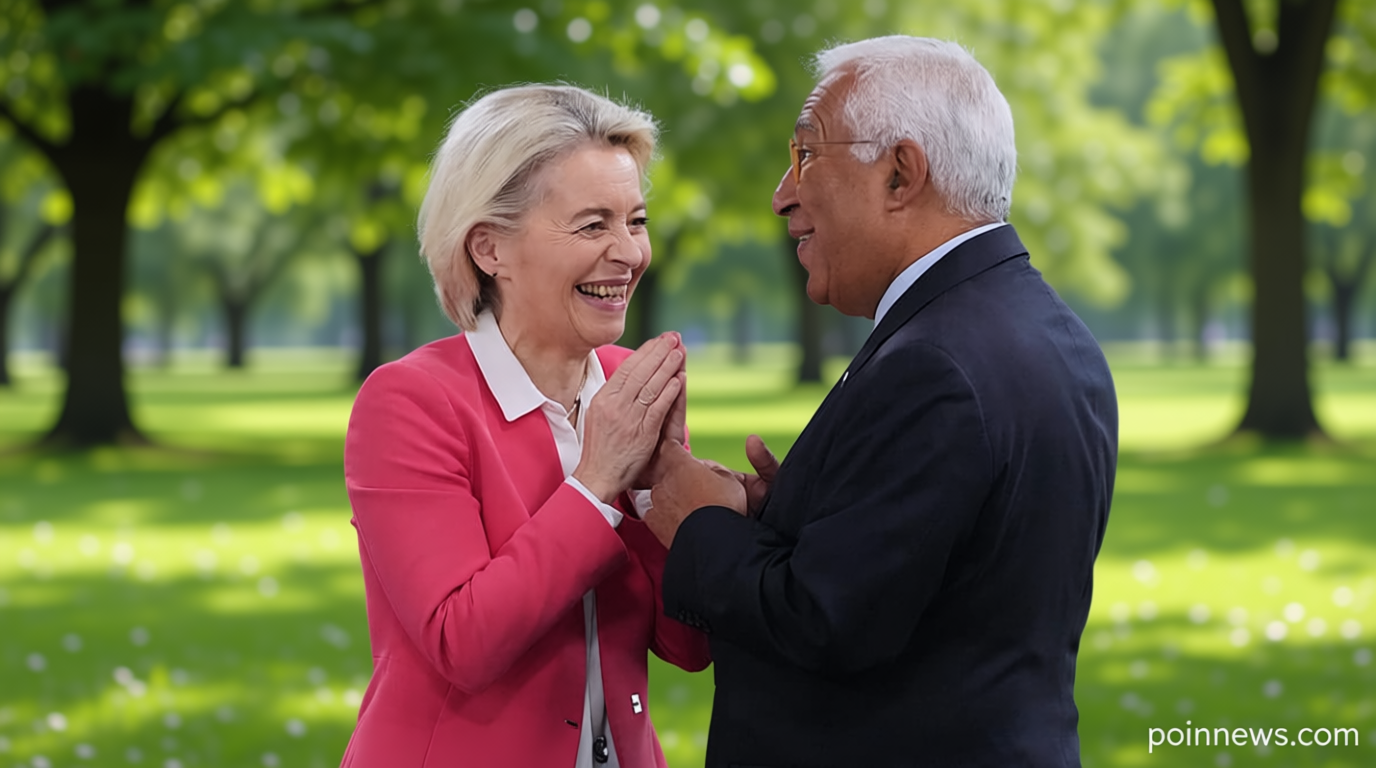
Von der Leyen Urges EU to Consider Talks with Russia Amid Ukraine Crisis
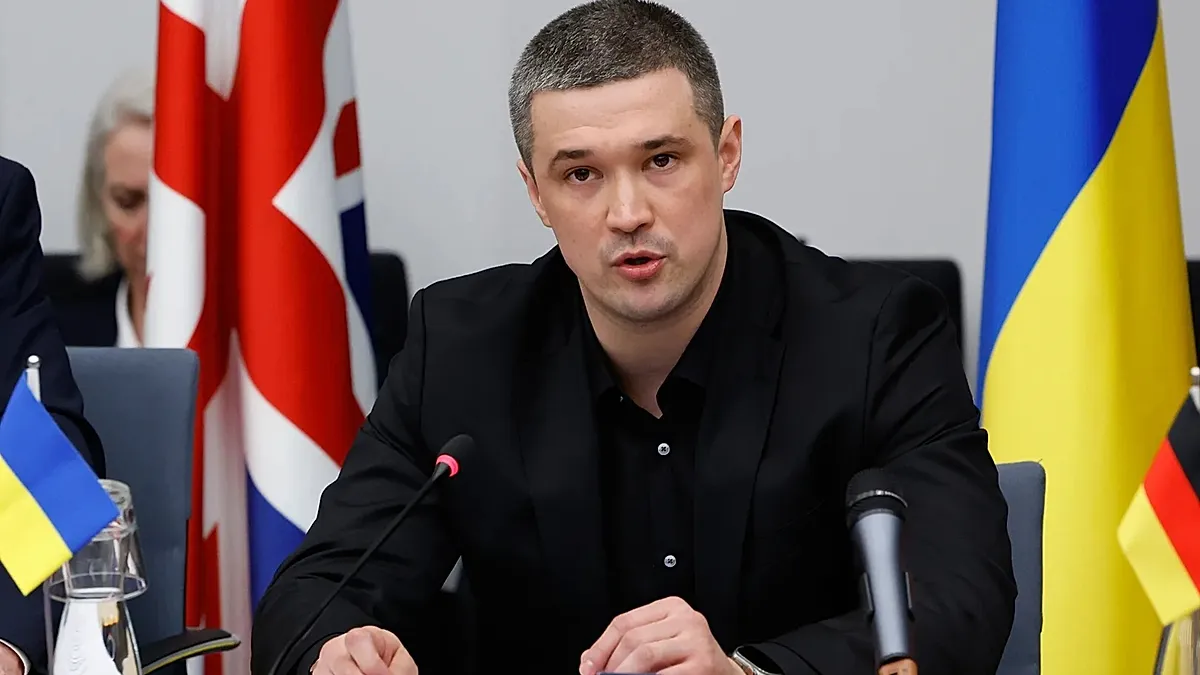
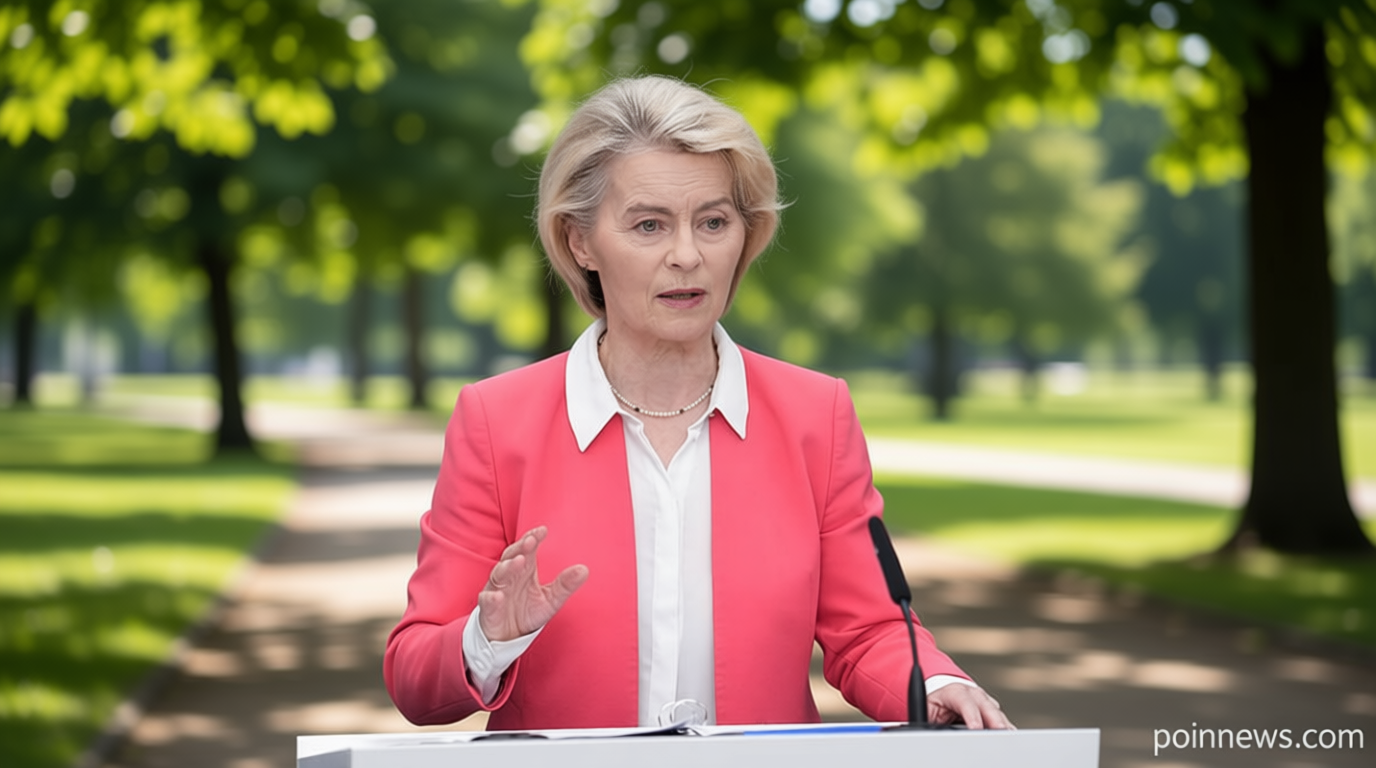
Poinews.com – During a pivotal summit with EU leaders on Thursday, Ursula von der Leyen, the President of the European Commission, emphasized that it is the right time for the bloc to explore a formal mandate for diplomatic engagement with Russia. The meeting, hosted by European Council President António Costa, marked a strategic shift in the EU’s approach to the ongoing conflict in Ukraine. Von der Leyen told EU leaders that negotiations with Moscow could provide a pathway to stabilizing the situation, even as the war continues to reshape geopolitical dynamics. This move signals a growing recognition that dialogue, rather than solely sanctions, may be essential in addressing Russia’s actions and securing long-term peace.
Economic Considerations and Strategic Timing
Von der Leyen told EU leaders that recent economic data highlights Russia’s increasing vulnerabilities, including a projected 10% contraction in GDP and a rise in inflation rates. These factors, she argued, create a favorable environment for dialogue, as Moscow faces pressure to negotiate under the weight of financial sanctions. The Commission chief also pointed to Ukraine’s strategic gains on the battlefield, noting that the country’s military advancements could make it easier to broker a sustainable ceasefire. Her comments align with the EU’s broader goal of balancing punitive measures with diplomatic outreach to avoid prolonged economic and political fallout.
Diplomatic Outreach and Internal Divisions
António Costa, who spearheaded the initiative, had earlier directed his chief of staff to establish a direct line of communication with Russian President Vladimir Putin’s advisors. This step, which included contacting Yuri Ushakov, a key Kremlin strategist, was designed to foster early discussions on potential terms of engagement. Von der Leyen told EU leaders that this diplomatic outreach is part of a contingency plan, ensuring the EU remains prepared for any outcome of the war. However, the move has sparked internal debate, with some member states expressing concerns about the implications of engaging with Russia while Ukraine’s sovereignty remains under threat.
EU Unity and the Role of Institutional Leadership
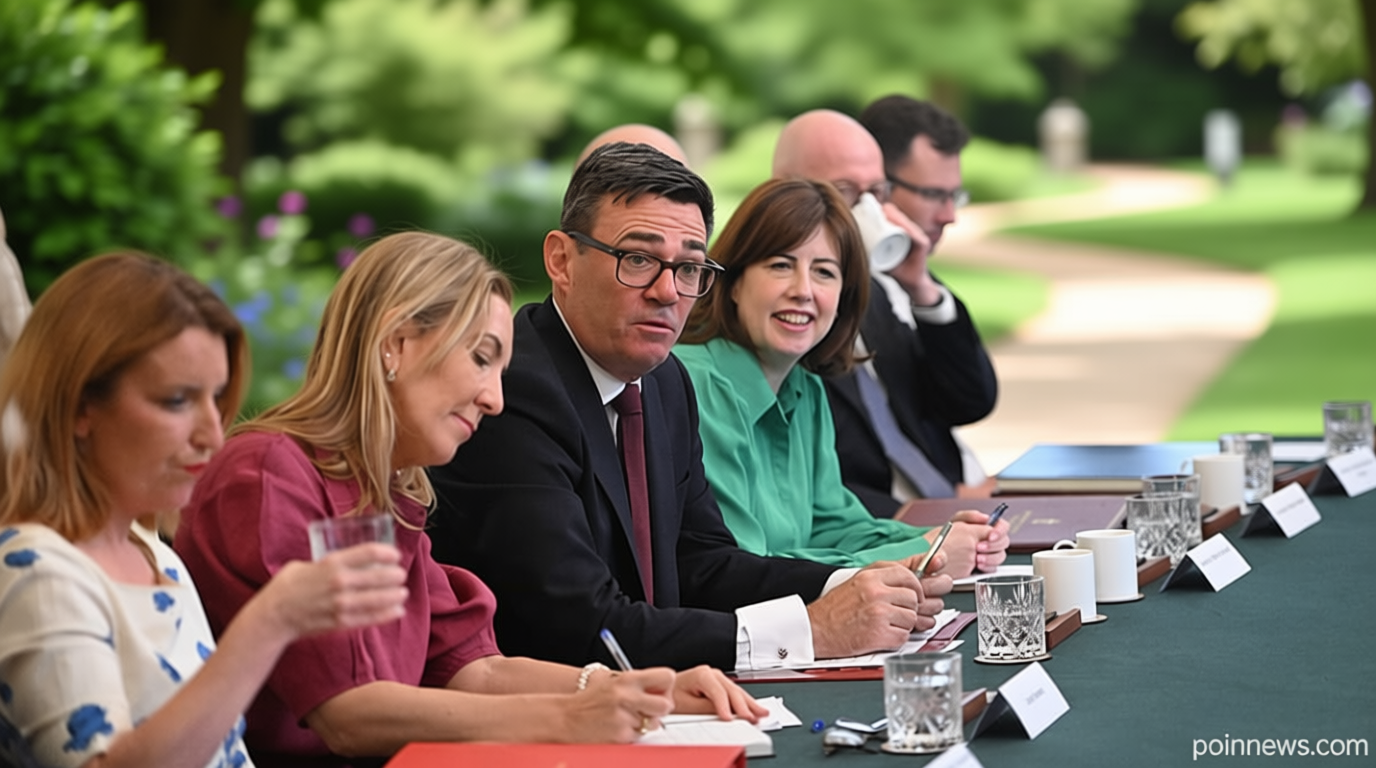
Despite the controversy, von der Leyen told EU leaders that unity within the bloc is critical for effective diplomacy. She argued that the European Commission’s mandate to engage with Russia would allow for a coordinated approach, avoiding fragmentation that could weaken Europe’s leverage. Costa, in a press conference following the meeting, reiterated that the initiative reflects the EU’s institutional priorities, including the need to manage sanctions and frozen assets collectively. Von der Leyen told EU leaders that the Commission’s role is to ensure that negotiations are grounded in Europe’s shared interests, even as individual states take responsibility for security guarantees.
Reactions from EU Member States
The proposal to initiate talks with Russia has divided EU leaders, with some advocating for a more rigid stance and others recognizing the necessity of flexibility. Countries in the eastern part of the bloc, such as Poland and the Czech Republic, have voiced apprehension, fearing that premature engagement could embolden Moscow. Von der Leyen told EU leaders that the Commission would continue to support Ukraine while exploring diplomatic options, ensuring that the bloc’s position remains balanced. Meanwhile, France and Germany have shown openness to dialogue, viewing it as a means to reduce hostilities and foster economic cooperation.
“The war has demonstrated that Russia’s economy is under strain, and that provides an opportunity for Europe to shape a lasting peace,” von der Leyen stated. “Our leaders must remain open to all possibilities, including talks with Moscow, to achieve a comprehensive resolution.”
Pathways to Peace and Future Steps
As the EU weighs its next moves, von der Leyen told EU leaders that the mandate for talks with Russia is not a compromise but a calculated step toward long-term stability. She stressed that the Commission would work closely with member states to align on key objectives, ensuring that the diplomatic process does not undermine Ukraine’s position. The proposed talks could focus on issues such as energy security, trade agreements, and the status of occupied territories. While the immediate priority remains supporting Ukraine, the EU aims to position itself as a central player in shaping the post-war settlement. This approach has been met with cautious optimism, with many leaders acknowledging the importance of maintaining a unified front in international affairs.