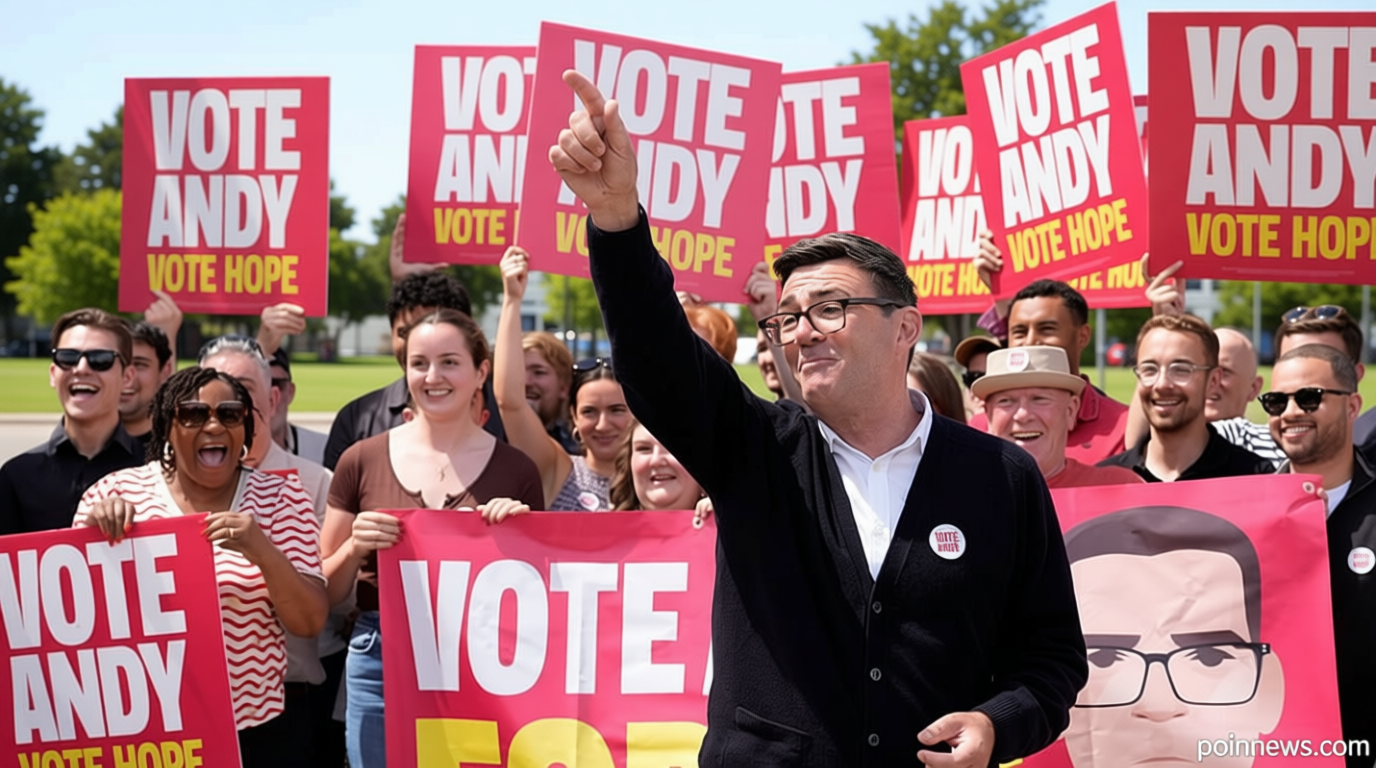
UK Prime Minister Keir Starmer resigns as Andy Burnham announces candidacy
UK Prime Minister Keir Starmer Announces Resignation UK Prime Minister Keir Starmer resigns - UK Prime Minister Keir Starmer has officially stepped down from


Table of Contents
UK Prime Minister Keir Starmer Announces Resignation
Poinews.com – UK Prime Minister Keir Starmer has officially stepped down from his role as leader of the Labour Party, marking a significant shift in the political landscape of the United Kingdom. The decision comes amid mounting internal pressures within the party, which have intensified following a series of electoral setbacks. Starmer, who has served as the UK’s prime minister since July 2024, will continue to act in the position until a new leader is formally elected. His resignation opens the door for Andy Burnham, a prominent Labour figure and a frontrunner for the leadership, to announce his candidacy, signaling a new chapter for the party as it seeks to regain momentum in the wake of recent challenges.
Leadership Transition and Electoral Context
The leadership transition process is set to begin in July, with Starmer remaining in his position until a successor is appointed by September. Burnham, who won a local election in Makerfield, has expressed his commitment to supporting a smooth handover, stating, “I will put myself forward as part of this process.” His victory in the by-election is seen as a pivotal moment, reflecting growing confidence in his leadership potential and the party’s need for a unifying figure. The decision to step down was reportedly influenced by Labour’s struggles in recent local elections, where voter discontent with policy decisions and internal party dynamics played a critical role in shaping the political narrative.
The Resignation Speech and Starmer’s Legacy
In a heartfelt speech delivered outside 10 Downing Street, Starmer emphasized his dedication to the nation, declaring, “Every decision I have taken has been about putting the country I love first. That is why I will resign as leader of the Labour Party.” The speech highlighted his vision for the UK and the challenges he faced during his tenure. Starmer’s resignation is expected to have lasting implications, not only for Labour but for the broader political strategy of the UK. His leadership has been characterized by efforts to stabilize the economy, strengthen international relations, and address domestic issues, including reforms in welfare and digital identity systems.
Burnham’s candidacy is a direct response to the need for a fresh approach within the Labour Party. As a local leader with a strong grassroots connection, Burnham is seen as a potential unifier who can bridge the gap between the party’s traditional base and its modern aspirations. His campaign will likely focus on restoring public trust in Labour’s ability to deliver on key promises, such as economic recovery and social justice reforms. The transition to Burnham’s leadership is also expected to coincide with renewed efforts to improve Labour’s performance in upcoming elections, where the party aims to reclaim lost ground and reinvigorate its public image.
Political Reactions and External Perspectives
The resignation of UK Prime Minister Keir Starmer has sparked a range of reactions from political figures across the spectrum. Nigel Farage, leader of Reform UK, has seized the opportunity to criticize Labour’s leadership, stating, “If Labour thinks it can shove another professional politician into No 10, it has another thing coming.” Farage’s comments underscore the growing influence of Reform UK in shaping voter sentiment and challenging the status quo. Meanwhile, President of the European Commission Ursula von der Leyen has praised Starmer’s contributions to European security, noting, “It can take many leaders years to grow into the statesman you became in just two years. European and Ukrainian security is stronger because of you. Thank you, dear Keir.” Such endorsements highlight the international recognition of Starmer’s leadership during his time in office.
Starmer’s resignation also places him among a list of UK prime ministers who have undergone leadership changes in the past decade. This trend, which includes figures like David Cameron, Theresa May, Boris Johnson, Liz Truss, and Rishi Sunak, reflects the volatile nature of British politics and the challenges of maintaining long-term stability. Under Labour’s leadership rules, the new prime minister must be a member of Parliament, a requirement that Burnham will fulfill. His election as the party’s leader is anticipated to bring a new direction, particularly as he aims to address the concerns that led to Starmer’s departure and reposition Labour for future success.
Controversies and Challenges During Starmer’s Tenure
Despite his efforts to steer the UK through critical political and economic challenges, UK Prime Minister Keir Starmer faced several controversies that tested his leadership. One of the most notable was the delay in declaring gifts received during his time in office, which raised questions about transparency and accountability. Additionally, the appointment of Peter Mandelson as US ambassador, despite his well-known ties to Jeffrey Epstein, sparked debates over potential conflicts of interest. These issues, combined with the reversal of welfare reforms and the abandonment of digital ID plans, contributed to internal criticism within the Labour Party.
Starmer’s administration also encountered challenges from within its own ranks. The resignations of key allies, such as Deputy Prime Minister Angela Rayner, due to her failure to pay duty on a new flat, further diverted attention from Labour’s diplomatic achievements, like improved relations with the European Union. These events have underscored the complexities of managing a coalition government and the pressures of maintaining public trust in a rapidly changing political environment. As the party moves forward, the focus will be on how these controversies are addressed and whether Burnham’s leadership can mitigate their impact on Labour’s future prospects.