Video. Toronto streets fill with Panama and Croatia supporters
Video. Toronto streets fill with Panama and Croatia supporters Toronto streets fill with Panama and Croatia - On Tuesday, June 24, 2026, the streets of

Video. Toronto streets fill with Panama and Croatia supporters
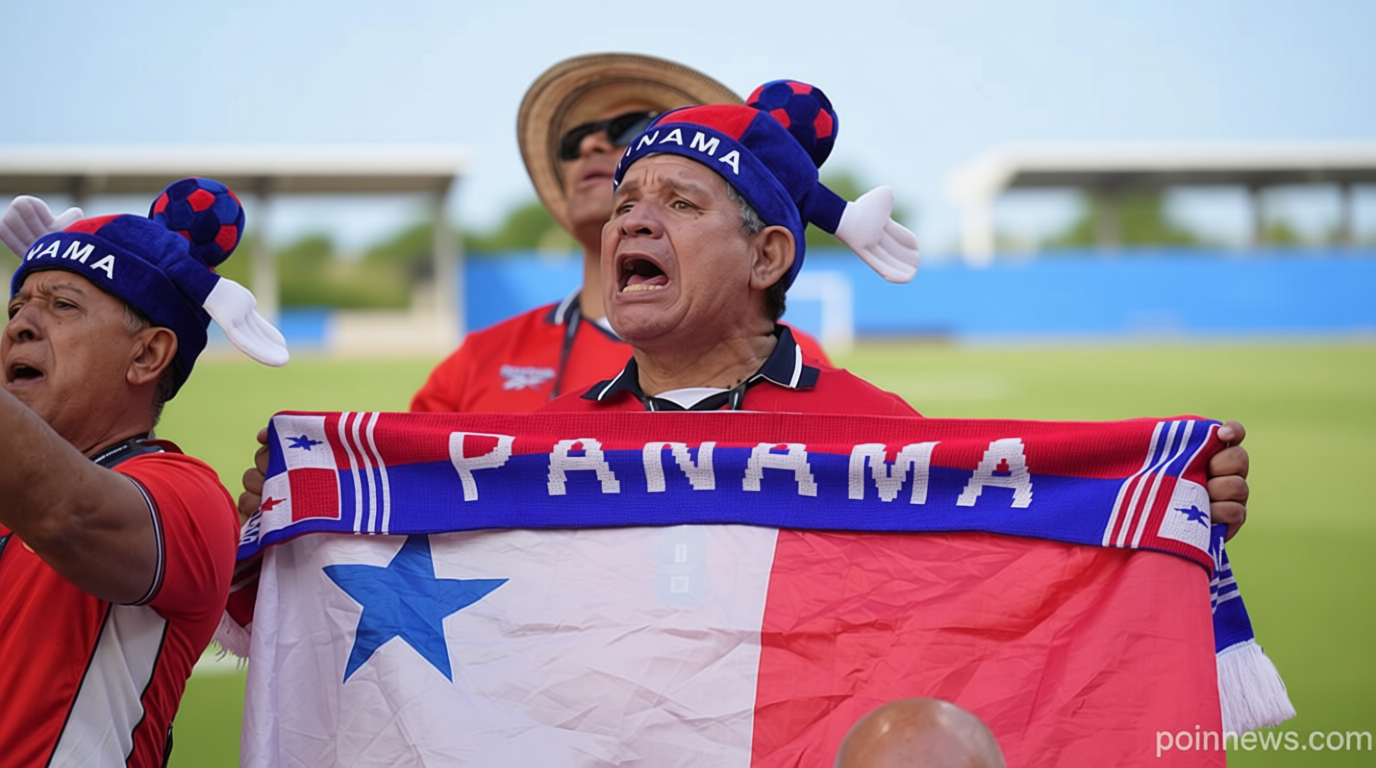
Poinews.com – On Tuesday, June 24, 2026, the streets of downtown Toronto transformed into a sea of national pride as fans from Panama and Croatia converged in anticipation of their highly anticipated World Cup clash. The scene was nothing short of electrifying, with thousands of supporters from both nations lining the sidewalks, holding up flags, and chanting in unison to express their fervent excitement. The atmosphere was thick with energy, as the city buzzed with the promise of a thrilling Group L match that would captivate fans worldwide. Toronto, known for its diverse population and vibrant sporting culture, became a living stadium, with the roar of the crowd echoing the passion of the players on the field.
The Emotional Countdown
The buildup to the match had been months in the making, and the fans’ anticipation was palpable. Croatian supporters, clad in their signature blue and yellow jerseys, waved flags overhead and used smoke sticks to create a dramatic, atmospheric backdrop. Panama’s fans, in contrast, sported vibrant yellow and blue attire, with many sporting traditional headwear that added a unique cultural flair to the event. As the sun set over the city, the streets glowed with the colors of both nations, and the air was filled with the sound of drums, horns, and the rhythmic chants that underscored the global significance of the game. This showdown wasn’t just a match—it was a celebration of heritage, resilience, and the unifying power of sports.
A Tale of Two Nations
For Panama, the journey to the World Cup had been marked by heartbreak and triumph. After a hard-fought battle through the qualifiers, the team had emerged as a surprise contender, fueled by a passionate fanbase that had rallied behind them despite early setbacks. Their earlier 1-0 defeat to Ghana had ignited a sense of determination, with fans vowing to turn the tide in their favor. Croatia, on the other hand, carried the weight of their storied history, having secured a place in the tournament with a resilient performance that showcased their tactical depth and veteran experience. The contrast between the two teams was evident in the crowd’s reactions, with each supporter proudly displaying their nation’s legacy.
The match itself had the potential to redefine the tournament’s narrative. With both teams aware of their historical rivalry and the stakes at play, the game was expected to be a high-octane battle. Analysts noted that Panama’s aggressive style of play and Croatia’s counterattacking finesse would create an unpredictable contest, adding to the excitement for fans. The streets of Toronto, already alive with the fervor of the day, became a metaphor for the global reach of the event, as the city’s unique blend of cultures brought together people from all walks of life to support their chosen teams. This kind of unity is a hallmark of the World Cup, where cities become microcosms of the world’s collective spirit.
Local businesses also played a role in amplifying the event’s impact. Street vendors set up stalls selling team-branded merchandise, while cafes and bars became hubs for pre-match gatherings, complete with lively debates and friendly rivalries. The city’s transportation systems saw a surge in activity, with fans traveling in droves to ensure they wouldn’t miss a single moment of the spectacle. As the final whistle approached, the streets were a patchwork of flags, with fans from both nations creating a visual feast that mirrored the intensity of the game. This level of engagement highlighted Toronto’s role as a cultural melting pot, where global events like the World Cup unite communities in shared enthusiasm.
Even after the match concluded, the energy of the day lingered. Supporters continued to gather in public spaces, sharing stories and reflecting on the historic encounter. The event left an indelible mark on the city, reinforcing its status as a hub for international sports. For Panama and Croatia, the match was more than a game—it was a statement of national identity and a testament to the power of collective support. As the tournament progressed, Toronto’s streets would remain a symbol of the excitement and unity that the World Cup brings to fans around the globe.