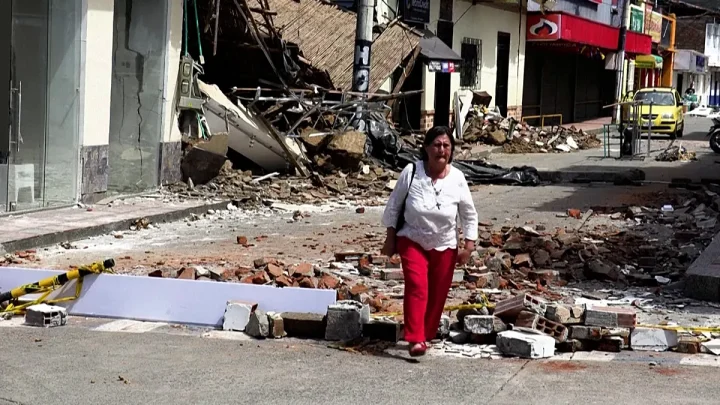
Video. La Guaira, Venezuela’s port city, shows extensive earthquake damage after the quake
Suffers Major Earthquake Damage La Guaira Venezuela s port city - La Guaira, Venezuela's port city, emerged as a stark symbol of the devastation caused by a

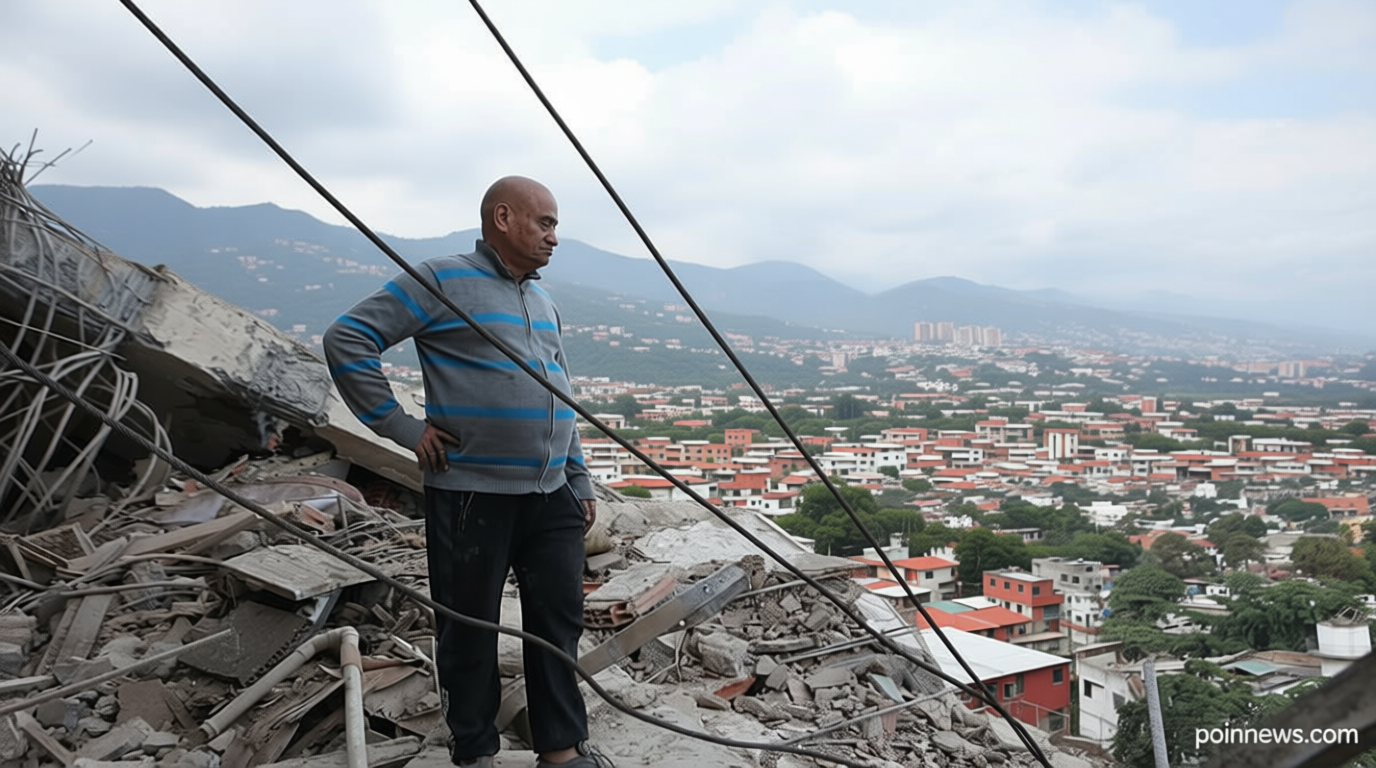
La Guaira, Venezuela’s Port City, Suffers Major Earthquake Damage
Poinews.com – La Guaira, Venezuela’s port city, emerged as a stark symbol of the devastation caused by a powerful earthquake that struck on 24 June. The tremors, which registered a significant magnitude, left the coastal city in disarray, with streets and structures bearing the brunt of the seismic activity. Aerial footage captured from a motorcycle revealed a haunting panorama of collapsed buildings, fractured roads, and shattered infrastructure, underscoring the widespread destruction. As the capital’s primary maritime gateway, La Guaira’s port plays a critical role in Venezuela’s economy, making the quake’s impact particularly severe.
The Earthquake’s Impact on La Guaira’s Infrastructure
The earthquake’s epicenter near La Guaira triggered a chain reaction of damage, with the city’s historic port area suffering the most. Concrete pillars cracked, warehouses crumbled, and port cranes tilted precariously, threatening the flow of goods and trade. The Simón Bolívar International Airport, located nearby, also faced disruptions, further complicating the city’s recovery. Officials confirmed that the tremors affected multiple regions, but La Guaira, as Venezuela’s port city, bore the heaviest toll due to its concentrated infrastructure and proximity to the epicenter.
Damage to the port’s critical facilities—such as storage yards and cargo handling areas—highlighted the vulnerability of Venezuela’s economic lifelines. The city’s role as a key hub for both domestic and international trade meant that the earthquake’s aftermath posed immediate risks to supply chains. With La Guaira’s port city status, the disruption extended beyond local communities, impacting the broader region and prompting concerns about the country’s ability to sustain its economic activities in the wake of the disaster.
Community Response and Recovery Efforts
Residents in La Guaira, Venezuela’s port city, quickly mobilized to assist one another, navigating through debris to locate survivors and secure essentials. Emergency teams from neighboring areas arrived to support rescue operations, while local volunteers distributed food and water to those displaced by the quake. The city’s vulnerability was compounded by its geographic location, with the Caribbean coast’s seismic activity posing a recurring threat to its development.
Authorities activated emergency protocols in response to the crisis, prioritizing rescue operations and infrastructure assessments. Engineers and technicians from La Guaira, Venezuela’s port city, worked around the clock to evaluate the structural integrity of damaged buildings and repair critical systems. The port’s strategic importance meant that recovery efforts focused not only on human safety but also on restoring operational capacity to minimize long-term economic losses. Officials emphasized that La Guaira, as Venezuela’s port city, would require extensive rebuilding to maintain its role in the country’s logistics network.
International aid organizations and neighboring countries offered assistance to La Guaira, Venezuela’s port city, as the scale of the damage became apparent. Reports from the ground indicated that the earthquake had caused at least 32 fatalities and over 700 injuries nationwide, with La Guaira’s port city experiencing the most visible toll. The city’s historic architecture, a blend of colonial and modern designs, now stood in ruins, a testament to the quake’s ferocity.
As the sun set over the battered city, the magnitude of the earthquake’s impact on La Guaira, Venezuela’s port city, became even clearer. Families sifted through rubble in search of belongings, while children played among the remnants of shattered storefronts. The port’s cranes, once a symbol of economic vitality, now lay inoperative, and the city’s once-thriving docks were reduced to piles of concrete and steel. The quake struck without warning, leaving a lasting mark on La Guaira, Venezuela’s port city and its people.