Côte d’Ivoire: Discover West Africa’s beach and culture hotspot
nd Culture Hotspot Côte d Ivoire - There’s a calm stillness to the lagoon as it bathes in the golden light of midday, interrupted only by the gentle sound of

Côte d’Ivoire: Discover West Africa’s Beach and Culture Hotspot
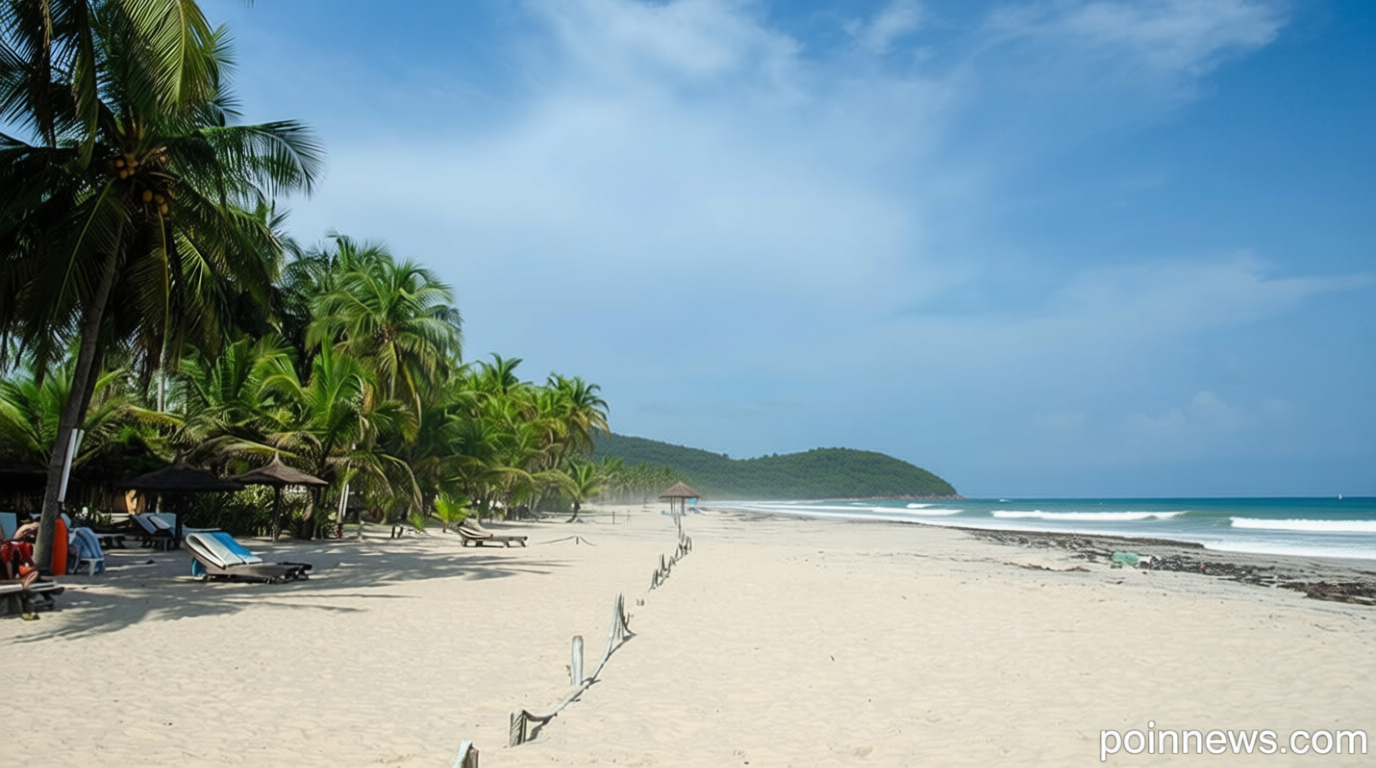
Poinews.com – There’s a calm stillness to the lagoon as it bathes in the golden light of midday, interrupted only by the gentle sound of waves and the distant hum of a boat engine. The vessel has just pulled away from a jetty just beyond the sandbar, a mere 200 meters across the water. Its departure is accompanied by the rhythmic crash of waves against the shore, hinting at the lively energy beneath the surface. While the scene feels almost Caribbean, this is Côte d’Ivoire—a nation often recognized for its football success in the World Cup, yet hiding a rich tapestry of coastal beauty and cultural heritage.
Coastal Serenity and Hidden Gems
Located just a short drive from Abidjan, the de facto capital and one of Africa’s largest cities, Assinie-Mafia offers a tranquil coastal escape. The area is dotted with a mix of accommodations, from boutique hotels to cozy guesthouses and vibrant fishing communities. The Aby Lagoon, a serene body of water bordered by golden sands, separates the coast from the Atlantic Ocean. Visitors can enjoy a boat journey from La Maison d’Akoula, a gallery-inspired boutique hotel, to its private beach club. The setting is idyllic, yet distinctly West African.
“Most of our rangers used to be poachers,” says Karl Diakite, an Ivorian eco-entrepreneur.
While the beaches attract affluent locals from Abidjan, European tourists are a rarity. This exclusivity adds to the allure, creating a sense of discovery for those who visit. Exploring the lagoon by boat reveals hidden villages and dining spots, with birdwatchers drawn to the Ehotilé Islands National Park’s mangrove forests. The area is also home to a growing number of upscale lodges, such as La Maison d’Akoula and Hotel Coucoué Lodge, which blend comfort with the natural ambiance of the coast.
Traditional Rituals and Cultural Heritage
Two days earlier, I found myself in the village of Kondeyaokro, near the official capital Yamoussoukro. The village was alive with the pulsating rhythm of a traditional Goli dance, a spiritual practice connecting the Baoulé people to their ancestors. The drumbeats grew louder as two masked dancers, adorned with palm fronds, stepped into the center of the gathering. Their movements were swift and precise, each striving to outshine the other in the dust. The crowd, including local youth, cheered enthusiastically, turning the performance into a communal celebration.
During a break in the dance, I was shown the outdoor looms where Baoulé artisans hand-weave narrow strips of fabric. These pieces are later sewn into loincloths, worn as part of cultural attire. The village’s King, Nana Yao Daniel, emphasized that tourism is essential for sustaining these traditions. Since the opening of a new highway linking Abidjan to the northern regions, the village’s hand-woven cloth sales have dropped significantly. Yet, the art remains a cherished symbol of Ivorian heritage, listed on UNESCO’s Intangible Cultural Heritage registry.
Conservation and Natural Wonders
Further north, the dual-carriageway leads to Bouaké, a small town where Karl Diakite has transformed his family’s fishing grounds into the 41,000-hectare N’Zi Wildlife Reserve. The reserve is supported by stays at N’Zi River Lodges, a cluster of stilted cottages connected by suspended walkways. Guests can rest to the sounds of nocturnal hyraxes, while the nearby village’s economy benefits from conservation efforts. Diakite’s initiative highlights the potential for tourism to coexist with nature preservation, offering a glimpse into Côte d’Ivoire’s untapped potential as a sustainable travel destination.