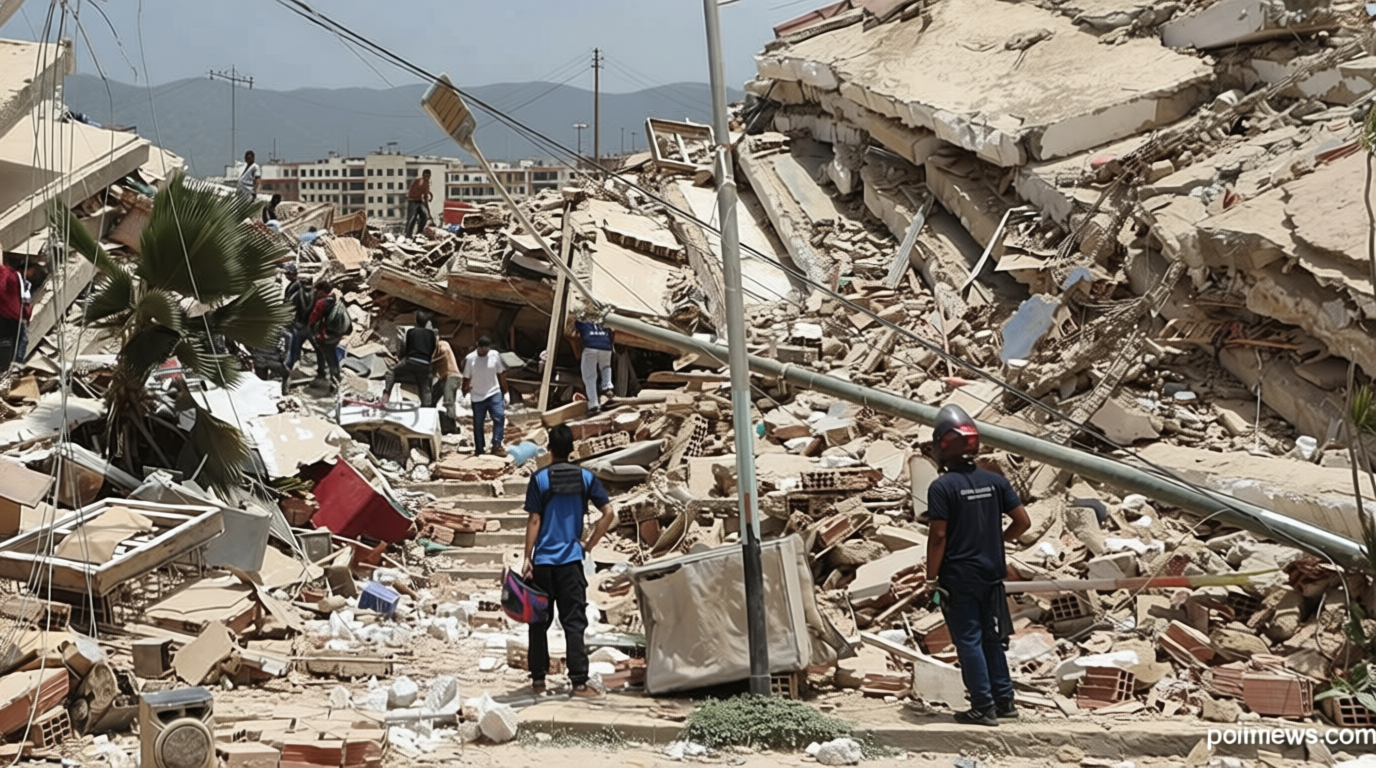
Seismic doublet: the phenomenon that turned Venezuela’s tragedy into catastrophe
Doublet: A Catastrophe Unveiled in Venezuela Seismic doublet, a rare and intense geological event, has emerged as a critical factor in escalating Venezuela’s

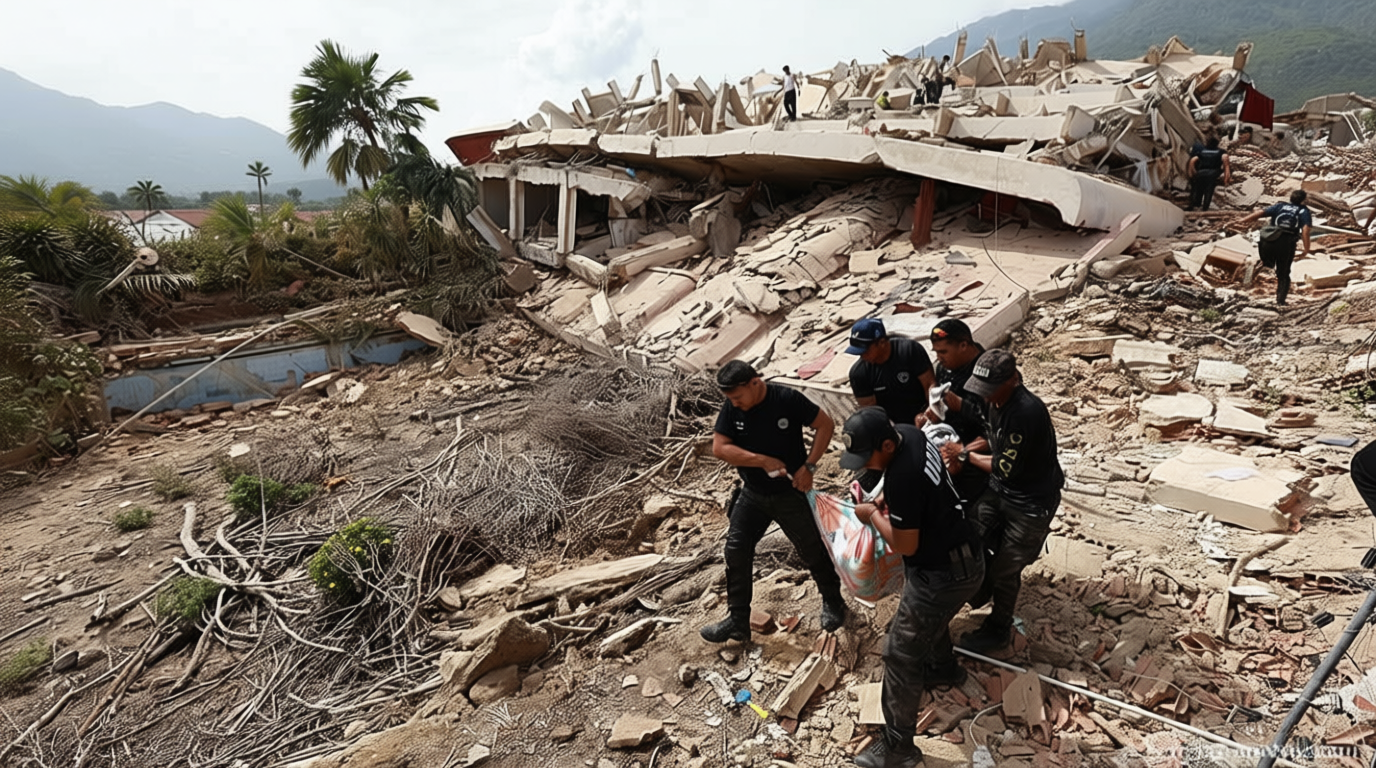
Seismic Doublet: A Catastrophe Unveiled in Venezuela
Poinews.com – Seismic doublet, a rare and intense geological event, has emerged as a critical factor in escalating Venezuela’s natural disaster into a full-blown crisis. While earthquakes often follow predictable patterns of magnitude and timing, a seismic doublet defies this norm. As explained by Lucía Lozano, a Spanish seismologist from the National Seismic Network, the phenomenon involves two closely timed and spatially adjacent quakes of nearly equal strength. This dual occurrence contrasts with typical aftershocks, which adhere to Båth’s law, where the secondary event is roughly 1.2 units weaker than the initial one. In the case of seismic doublets, the magnitudes usually differ by no more than 0.4 on the moment magnitude scale (Mw), creating a unique pattern of seismic energy release.
The 2026 Yaracuy Earthquakes: A Case Study
On June 24, 2026, a seismic doublet struck Venezuela, specifically in the Yaracuy state, a region known for its geologically active north-western location. The first event, classified as a foreshock, occurred at 22:04:33 UTC (18:04 local time) with a magnitude of 7.2 Mw. Its epicenter was located 24 kilometers east-north-east of San Felipe, at a focal depth of 21.9 kilometers. Just 39 seconds later, a second quake—this time the main event—registered a magnitude of 7.5 Mw. This tremor was centered 23 kilometers south-east of Yumare, near the Yaracuy-Carabobo border, and occurred at a shallower depth of 10 kilometers. Both quakes reached VIII on the Modified Mercalli scale, indicating severe to extreme shaking that compounded the disaster’s impact.
“Most doublets do not occur with such a short interval between them,” remarked Brandon Bishop, a seismologist at Saint Louis University. He highlighted that the near-simultaneous nature of these events disrupts automated systems, which initially reported a combined magnitude of 7.8 Mw. This figure, representing the merged signal, obscured the individual strengths of the two quakes. A later manual analysis of seismic data clarified the true magnitudes, revealing 7.2 and 7.5 Mw. This discrepancy underscores the complexity of seismic doublets, where their merged energy can create a misleading impression of the disaster’s scale.
The second quake’s proximity to the first, both in time and space, created a ripple effect of devastation. The overlapping of seismograms confused initial assessments, leading to overestimation of the event’s strength. This error illustrates how seismic doublets challenge conventional methods of earthquake measurement. The phenomenon’s intensity, however, was undeniable, as both quakes caused widespread damage, triggering landslides, infrastructure collapse, and emergency responses across the region. Experts now emphasize the need for improved detection systems to differentiate between seismic doublets and traditional quake sequences.
Venezuela’s Tectonic Setting: A Hotspot for Seismic Activity
Venezuela’s vulnerability to seismic doublets is rooted in its tectonic position along the boundary between the Caribbean plate and the South American plate. This convergence zone, though less renowned than the Pacific Ring of Fire, experiences significant stress accumulation. The Caribbean plate moves eastward relative to the South American plate at approximately 20 millimeters per year, a seemingly minor shift that builds up over decades. When this stress is released in the form of seismic doublets, the result can be a powerful and sudden release of energy. Harold Tobin, director of the Pacific Northwest Seismic Network at the University of Washington, noted that the first quake in the 2026 sequence likely triggered the second, highlighting the interconnected nature of fault systems in the region.
Seismic doublets are not isolated occurrences but part of a broader pattern of tectonic interactions. The 2026 events in Yaracuy exemplify how these dual quakes can amplify local impacts. The shallow focal depth of the second quake, at just 10 kilometers, meant that its energy was felt more intensely on the surface. This combination of proximity and magnitude made the seismic doublet a defining factor in the disaster’s severity. The phenomenon’s potential to cause extensive damage is further amplified by the region’s existing infrastructure weaknesses, which were exacerbated by the dual shocks.
As the world grapples with increasing seismic risks, the 2026 Venezuela doublet serves as a stark reminder of the unpredictability of natural disasters. The event not only demonstrated the power of seismic doublets but also exposed vulnerabilities in disaster preparedness. With both quakes occurring within a minute of each other, emergency responders faced a rapidly evolving situation, underscoring the importance of real-time seismic analysis. The unique characteristics of seismic doublets, including their near-simultaneous nature and comparable magnitudes, require specialized monitoring and response strategies to mitigate their impact.