Israeli strike kills nine including Lebanese soldiers as border truce under pressure
Israeli Strike Kills Nine Including Lebanese Soldiers Amid Ceasefire Strain Israeli strike kills nine including Lebanese - An Israeli airstrike in southern

Israeli Strike Kills Nine Including Lebanese Soldiers Amid Ceasefire Strain
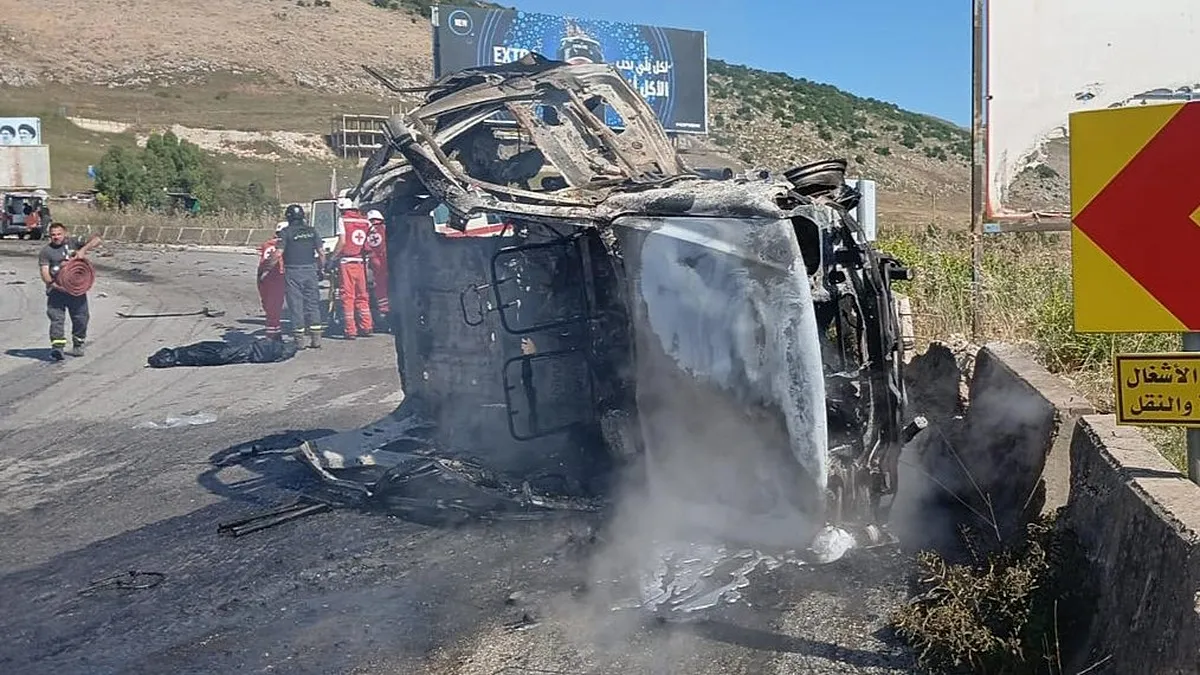
Poinews.com – An Israeli airstrike in southern Lebanon struck a military convoy, killing nine individuals, three of whom were Lebanese soldiers, according to reports. The incident occurred on Saturday, raising concerns about the stability of the recent border truce between Israel and Lebanon. Lebanese military officials confirmed the deaths, stating that a brigadier general, a captain, and another soldier were among those killed during the attack. This marked a significant escalation in the conflict, as the fragile ceasefire faces mounting pressure from renewed hostilities.
The Context of the Ceasefire
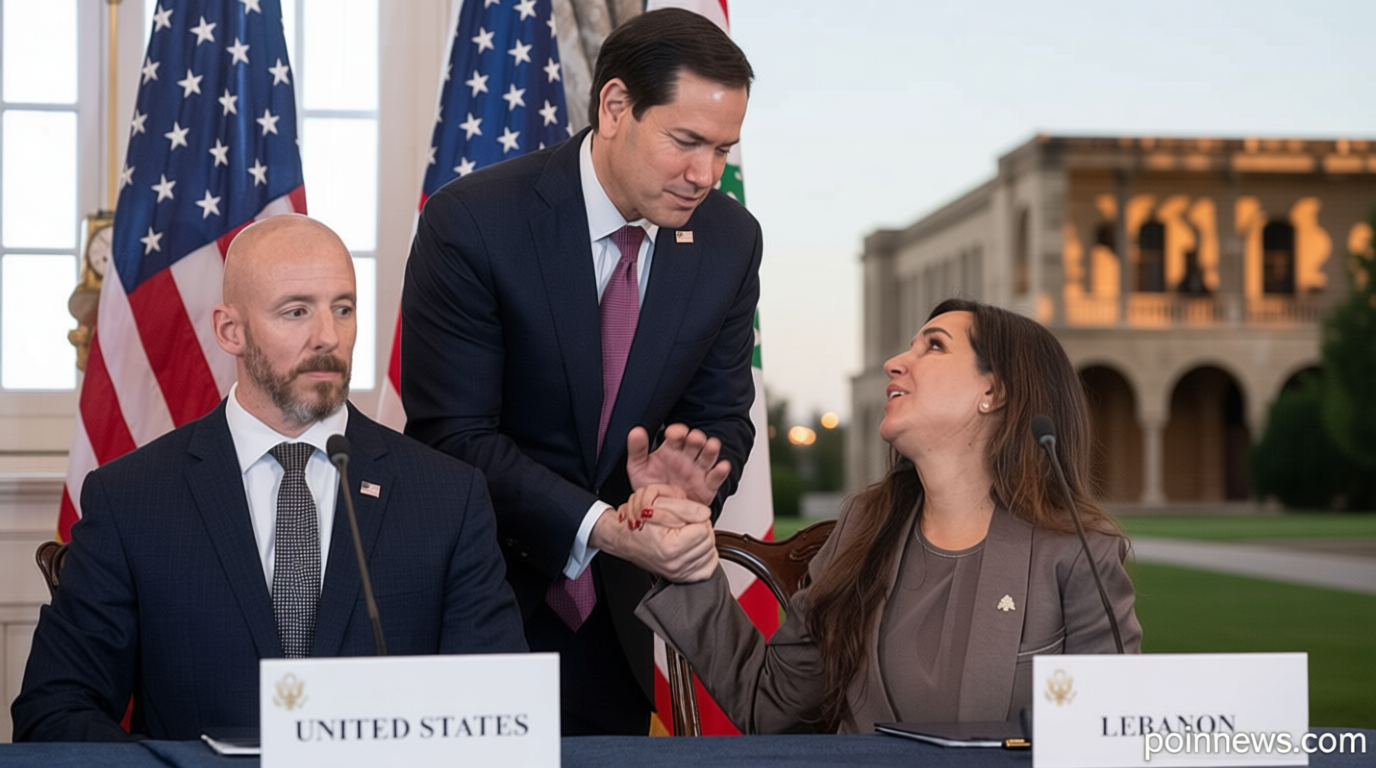
The attack unfolded just days after Lebanese and Israeli officials had tentatively agreed to a new ceasefire plan, brokered by the United States. This agreement aimed to reduce cross-border violence and provide a framework for de-escalation. However, the strike targeted a military vehicle in the area of Khardali and Nabatieh, regions that have been focal points of conflict. Israel claimed the operation was necessary to neutralize potential threats from Hezbollah, which it accused of launching attacks from Lebanese territory. Despite the effort to calm tensions, the incident has reignited fears that the ceasefire might not hold.
The Israeli military emphasized that the strike was conducted in response to Hezbollah’s activities, particularly its alleged targeting of Israeli civilians. They stated that the area where the attack took place had been designated as an active combat zone, and the vehicle was suspected of carrying weapons or combatants. Meanwhile, Lebanese President Joseph Aoun condemned the strike, calling it a “direct attack on Lebanese sovereignty” and a violation of the ceasefire agreement. He accused Israel of exploiting the truce to advance its military objectives without regard for Lebanon’s security.
International Reactions and Diplomatic Tensions
The incident has drawn criticism from international observers, who highlight the precarious nature of the truce. European diplomats expressed concern over the escalation, urging both sides to avoid further clashes that could undermine the agreement. The United States, while supporting the ceasefire, has called for a “diplomatic solution” to the conflict, emphasizing the need for Lebanon to maintain control of its territory. However, the effectiveness of the US-backed plan remains questionable as Hezbollah continues to resist concessions, citing the need for a full Israeli withdrawal from Lebanese soil.
Hezbollah, the Shia militant group based in Lebanon, has accused Israel of breaking the ceasefire, claiming that the attack was a deliberate act to provoke retaliation. The group reported that it had launched counterattacks in the same region, targeting Israeli positions and forcing the military to respond with artillery fire. These exchanges have blurred the lines between the ceasefire and active combat, leaving the border zone in a state of heightened alert. Analysts warn that the continued violence could erode public trust in the agreement and lead to renewed hostilities.
“The majority of the Lebanese people are exhausted by war. This strike shows Israel is not respecting the terms of the truce,” President Aoun stated in a televised address, criticizing the United States for not enforcing stricter controls on Israeli military actions. His remarks underscored the growing frustration among Lebanese citizens, many of whom have lost loved ones in the ongoing conflict. The attack has also intensified domestic political tensions, with opposition parties calling for stronger measures against Israel, while pro-government factions urge patience in the face of the ceasefire.
As the situation unfolds, the international community is closely monitoring developments. The United Nations has reiterated its call for an immediate halt to hostilities, while regional powers such as Iran and Syria continue to support Hezbollah. The Israeli strike killing nine including Lebanese soldiers has become a symbol of the broader conflict, with both sides using the incident to justify their military postures. With the ceasefire under increasing pressure, the path to peace remains uncertain, and the toll on civilian lives continues to rise.