Just a few social media posts from self-styled ‘experts’ can strongly influence opinion, study says
ce Opinion, Study Finds Just a few social media posts - With just a few social media posts, individuals can develop strong, lasting opinions on topics they

Social Media Posts Influence Opinion, Study Finds
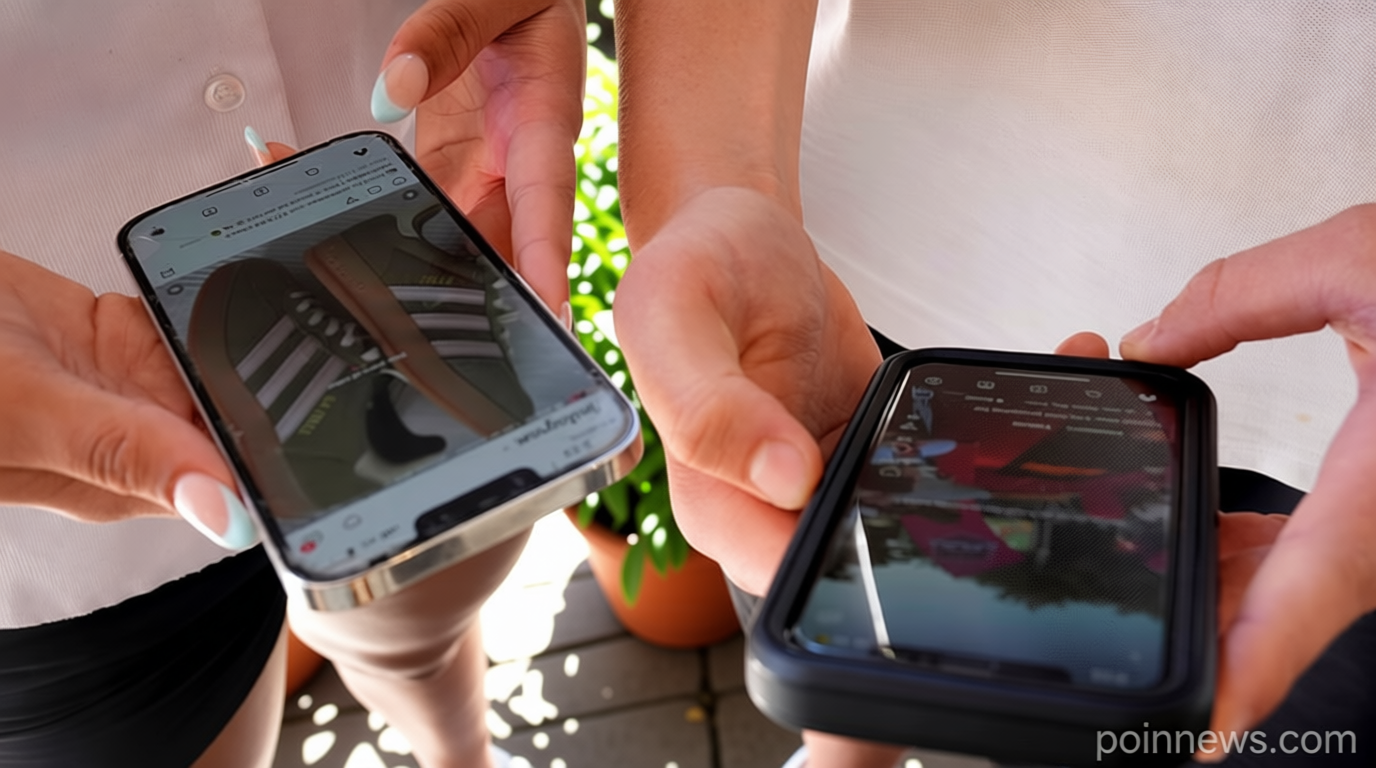
Poinews.com – With just a few social media posts, individuals can develop strong, lasting opinions on topics they know little about, according to a 2026 study. Researchers from Trinity Business School and NEOMA Business School explored how minimal exposure to social media content can lead to deeply held beliefs, even when the information is misleading. The findings reveal that people are susceptible to forming stable opinions after encountering consistent messages online, regardless of their factual accuracy.
The research involved U.S. participants who were shown Instagram-style posts about unfamiliar news topics. After viewing three to five posts, they developed a fixed initial stance, with later information having little effect on their views. This phenomenon underscores how social media platforms can shape public perception rapidly, often without individuals realizing the extent of their influence. The study suggests that repeated exposure to similar content reinforces certainty, even in the face of contradictory evidence.
The Role of Authority and Titles in Shaping Trust
Professor Ashish Kumar Jha of Trinity Business School highlighted that trust in social media often hinges on perceived authority. Celebrities who claim expertise in non-specialized areas—such as a self-proclaimed “doctor” with millions of followers—can sway opinions effectively. These figures combine public visibility with titles that lend credibility, making it easy for audiences to accept their perspectives as authoritative.
“The combination of a celebrity’s influence and their use of titles like ‘Dr.’ creates a powerful trust signal,” Jha explained. “People don’t always question whether a celebrity is an actual expert in the topic, but they accept their views as valid because of their status and reach.”
Participants in the study were more likely to follow content that aligned with their existing beliefs, reinforcing the idea that social media platforms prioritize engagement over accuracy. Jha noted that the ease of self-identification as an expert online—via titles or hashtags—fuels the spread of misinformation, as individuals may not critically assess the validity of their sources.
Pandemic Insights: How Misinformation Spread Quickly
The research team used the early stages of the COVID-19 pandemic as a case study. By March 2020, millions of people had formed strong opinions on vaccinations, often acting as self-styled experts despite limited knowledge. “No one knew much about vaccines in January 2020, but by March, social media had created a landscape where people felt confident in their understanding,” Jha said. This rapid opinion formation demonstrates how social media can amplify beliefs before facts have a chance to take hold.
Experts warn that social media’s speed and reach make it a double-edged sword. While it democratizes information sharing, it also enables misinformation to spread swiftly. The study found that individuals rely on mental shortcuts—such as familiarity and coherence—to form opinions, which can lead to confirmation bias. Once a belief is entrenched, it becomes resistant to change, even when new evidence emerges.
Engagement and Confirmation Bias Strengthen Beliefs
Researchers discovered that social media users are more likely to engage with content that aligns with their pre-existing views. This creates a feedback loop where reinforcing beliefs increases their perceived legitimacy. Jha explained that the act of sharing or liking a post signals agreement, which further solidifies the individual’s stance. “Once you believe you’re an expert, you treat opposing information as an attack on your identity,” he noted.
As traditional news consumption declines, social media is becoming the primary source of information for many. The 2026 Reuters Digital News Report showed that for the first time globally, social platforms and video networks overtook traditional media as the most common news access method. This shift means that social media posts have greater potential to shape public discourse, emphasizing the need for critical thinking in digital environments.
Experts recommend that media organizations and fact-checking teams act swiftly to counter misinformation. Jha stressed that the window for correcting false beliefs is narrow, as social media users are quick to adopt and share opinions. “If you’re a fact-checker or news outlet, you need to be proactive,” he said. The study also suggests that individuals should be mindful of their sources and question the validity of information before accepting it as fact.