El Niño to ‘strengthen rapidly’ and fuel extreme weather. When will Europe face its wrath?
El Niño Strengthens Rapidly, Fueling Extreme Weather in Europe El Niño to strengthen rapidly and fuel - As the global climate system undergoes significant

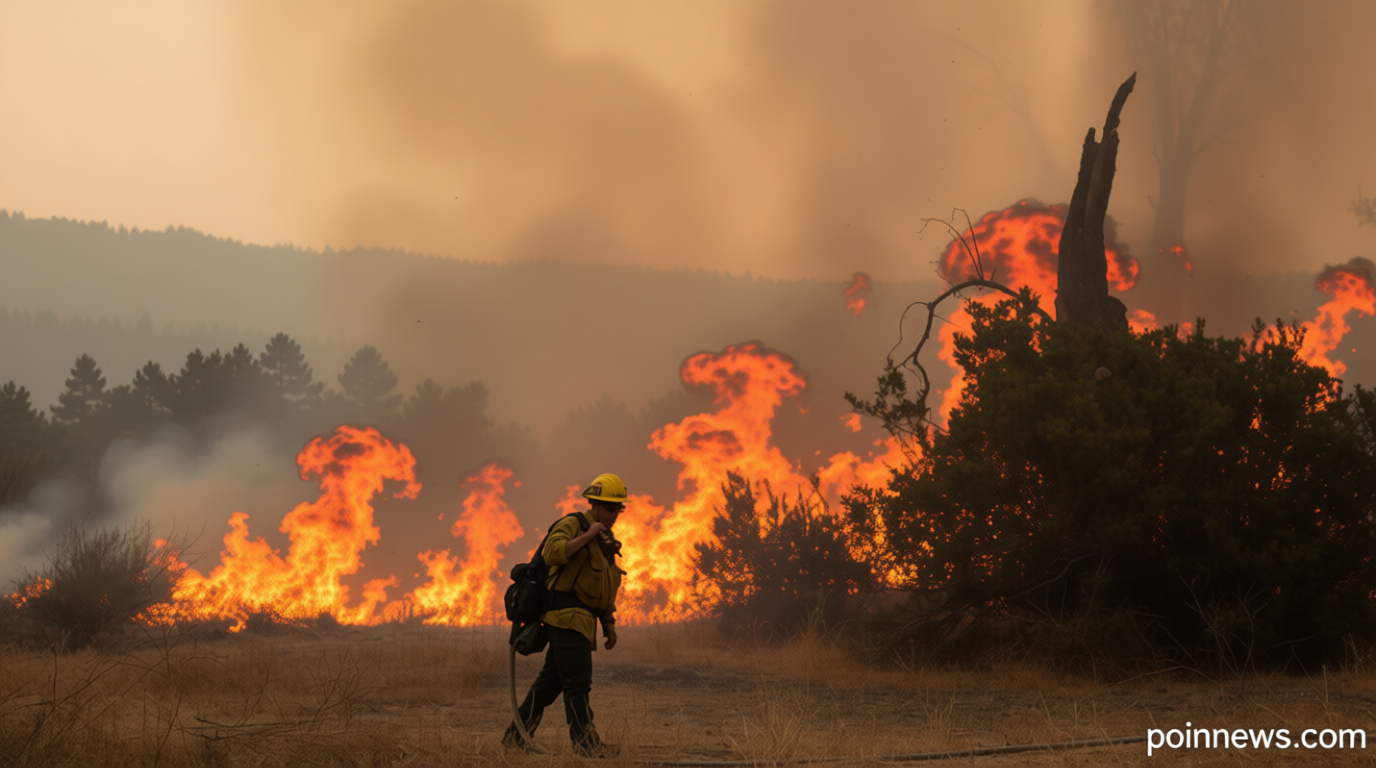
El Niño Strengthens Rapidly, Fueling Extreme Weather in Europe
Poinews.com – As the global climate system undergoes significant shifts, the El Niño phenomenon is projected to intensify swiftly, potentially amplifying weather extremes across the world. Experts warn that the current phase of this natural climate pattern, which peaked between July and September, will bring heightened risks of prolonged heatwaves, severe droughts, and intense rainfall. These conditions are expected to challenge ecosystems, disrupt food supplies, and strain energy systems, particularly in Europe, where the effects of El Niño are anticipated to manifest in unique ways.
Understanding El Niño and Its Global Influence
The World Meteorological Organization (WMO) has issued updated forecasts indicating that the El Niño event is set to reach its maximum strength in the coming months. This pattern, characterized by warmer-than-average ocean temperatures in the Eastern Pacific, is known to alter atmospheric circulation, leading to unpredictable weather patterns. WMO Secretary General Celeste Saulo emphasized the importance of early warning systems, stating, “Advanced seasonal forecasts and early warnings are vital to save lives and cushion the impact on our economies and our communities.”
El Niño, a term derived from Spanish meaning ‘the boy,’ refers to the recurring climatic cycle that influences weather globally. It typically occurs every two to seven years and is driven by changes in sea surface temperatures. The 2023-2024 El Niño, for example, contributed to record-breaking temperatures and drought conditions, exacerbating wildfires in various regions. With the current El Niño set to strengthen rapidly, its impact on global climate dynamics is expected to grow more pronounced.
El Niño’s Role in Shaping Europe’s Climate
While El Niño is most impactful in tropical regions, its influence extends to Europe through complex atmospheric interactions. Historically, El Niño events have been linked to milder winters and wetter autumns in parts of the continent. However, the current phase may have a different effect, potentially leading to warmer-than-average summers. This could place Europe in the crosshairs of extreme heat, which is already becoming more frequent due to the叠加 of natural variability and anthropogenic climate change.
Climate scientists stress that the intensifying El Niño is not an isolated event but a factor in the broader context of global warming. The combination of El Niño’s natural effects and the long-term warming trend from human activities has created a scenario where extreme weather events are more severe and frequent. For instance, the recent heatwave in Europe, which caused thousands of deaths, is being analyzed for its connection to the current El Niño phase and climate change.
Europe’s Vulnerability to Climate Anomalies
Europe’s climate is particularly sensitive to global shifts, and the strengthening El Niño may amplify existing vulnerabilities. The IHE Delft Institute for Water Education has raised concerns about potential shortages in staple food imports, citing risks of crop failures in regions like Nicaragua. These disruptions could ripple across supply chains, affecting food prices and availability in European markets. Additionally, the region may experience increased energy demand due to higher temperatures, putting pressure on renewable energy infrastructure.
Despite the indirect influence of El Niño on Europe’s summer, the continent is likely to see more pronounced effects in autumn and winter. These include altered precipitation patterns, which may lead to both flooding and drought in different areas. The unpredictability of El Niño’s impacts underscores the need for adaptive strategies, such as improved infrastructure and emergency response plans, to mitigate risks associated with extreme weather events.
Climate Change as the Dominant Factor
Climate change is amplifying the effects of El Niño, creating a more volatile climate system. While a single El Niño event might elevate global temperatures by around 0.2°C, the long-term trend of human-induced warming has already pushed average temperatures up by approximately 1.3 to 1.5°C since pre-industrial times. This叠加 means that extreme weather events, such as heatwaves and heavy rainfall, are not only more intense but also more likely to occur.
Friederike Otto, a climate scientist at Imperial College London, clarified that El Niño is a natural phenomenon, while climate change represents a deeper, accelerating threat. “Climate change on the contrary gets worse as long as we do not stop burning fossil fuels,” she explained. The recent extreme heat in Europe, according to Ioanna Vergini of WFY24, has been used as a distraction from the overarching issue of climate change, which remains the primary driver of escalating weather anomalies.
Preparing for the Unpredictable
As the El Niño to strengthen rapidly, governments and organizations are urging proactive measures to prepare for its consequences. Enhanced monitoring systems, community resilience programs, and international collaboration are key to reducing the impact of extreme weather. Europe, with its diverse climates and densely populated regions, is particularly focused on adapting to both immediate and long-term challenges posed by these climatic shifts.
The interplay between El Niño and climate change highlights the urgency of addressing greenhouse gas emissions. While natural climate patterns will continue to influence weather, human-driven warming ensures these effects will be more severe. By investing in sustainable practices and climate mitigation strategies, Europe can better withstand the wrath of an El Niño event, which is expected to intensify in the coming years.