Burabay National Park in Kazakhstan receives a million and a half tourists
Burabay National Park in Kazakhstan Receives a Million and a Half Tourists Burabay National Park in Kazakhstan receives - Located approximately three hours

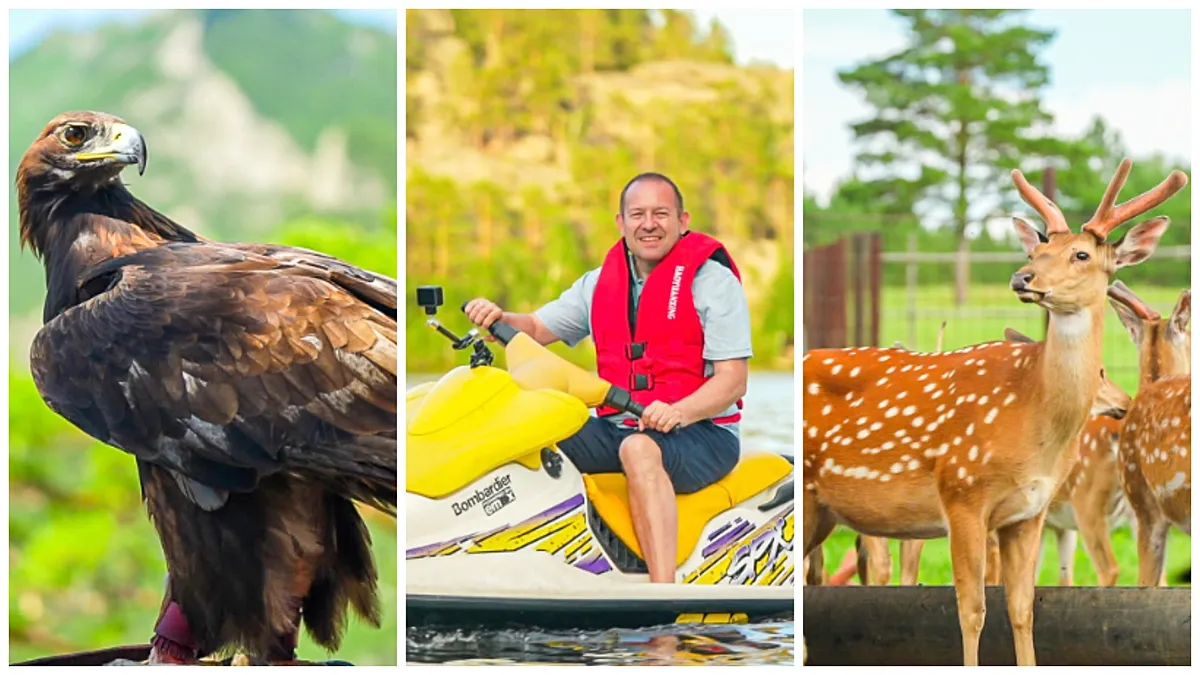
Burabay National Park in Kazakhstan Receives a Million and a Half Tourists
Poinews.com – Located approximately three hours north of Kazakhstan’s capital, Astana, Burabay National Park in Kazakhstan has become a popular destination for nature enthusiasts and adventurers alike. In 2026, the park welcomed an impressive one million and a half tourists, showcasing its growing appeal as a prime example of Kazakhstan’s natural beauty. Nestled between vast steppe landscapes and serene, untouched lakes, the park offers a tranquil escape from the bustling city life. Its unique combination of wooded hills, striking rock formations, and towering cliffs creates an atmosphere reminiscent of the enchanting settings in the “Lord of the Rings” film series, making it a must-visit location for travelers seeking both adventure and tranquility.
Seasonal Transformations and Diverse Activities
One of the most captivating aspects of Burabay National Park in Kazakhstan is its dramatic seasonal transformations. During the winter months, when temperatures often drop below -20°C, the park takes on a stark, icy appearance. The lakes freeze solid, and the surrounding forests are blanketed in snow, transforming the landscape into a serene, almost mystical environment. This seasonal shift attracts a different kind of visitor, with winter sports enthusiasts and nature lovers flocking to experience ice-based activities such as skating on frozen lakes, snow hiking, and ice fishing. The quieter ambiance of winter also provides a unique opportunity for reflection and appreciation of the park’s untouched natural beauty.
As the seasons change, Burabay National Park in Kazakhstan becomes a vibrant hub of activity. Summer brings a surge in visitors, with the adjacent village of Burabay turning into a lively center for recreational pursuits. Families and friends gather at the lakes for swimming, sunbathing, and outdoor excursions, while adventure seekers indulge in activities like cycling, ziplining, and boat tours. The park’s seasonal diversity ensures that visitors can enjoy a wide range of experiences throughout the year, from the peaceful solitude of winter to the energetic excitement of summer. This adaptability has contributed to its status as a year-round destination, drawing tourists from across the globe.
A Legacy of Cultural and Recreational Value
Burabay National Park in Kazakhstan has long been a site of cultural and recreational significance. Historically, the park has served as a retreat for both locals and visitors, with its therapeutic blend of pine forests and water sources making it a renowned wellness destination. Since the Russian imperial era, the park has housed over a dozen sanatoriums and medical centers, including the first lung clinic established in 1910. These facilities have made Burabay a go-to location for health and relaxation, blending natural beauty with centuries-old traditions of healing and rejuvenation.
Moreover, the park’s role in recreation has been shaped by its long-standing children’s camps, which have been a staple of Burabay National Park in Kazakhstan since the Soviet era. These camps continue to attract daily visitors, now upgraded with modern amenities and facilities. Local authorities have also expanded infrastructure, such as observation decks and hiking trails, to ensure that the park remains accessible and enjoyable for all. “Whether you seek a campfire meal or a guided tour, Burabay National Park in Kazakhstan has something to offer for every visitor,” explains Bauyryhan Makhmetov, a senior ranger. The park’s ability to adapt to changing visitor needs while preserving its natural charm is a key factor in its enduring popularity.
Ecological Importance and Biodiversity
Burabay National Park in Kazakhstan is not only a tourist hotspot but also a vital ecological reserve. Its rich biodiversity has earned it UNESCO biosphere reserve status, underscoring its role in preserving the region’s natural heritage. The park is home to over 300 vertebrate species, including elk, roe deer, wild boar, and predators such as wolves and Eurasian lynxes. Additionally, the local farms within the park raise maral deer, whose antlers are used in traditional healing practices. These elements highlight the park’s importance in maintaining a delicate balance between human activity and the natural ecosystem.
The park’s varied landscapes support a wide array of plant life, with over 800 different species thriving in its unique environment. From dense pine forests to alpine meadows, the diverse habitats contribute to the park’s ecological richness and offer visitors a chance to explore nature in its purest form. This biodiversity is further enhanced by the park’s careful management, which includes conservation efforts to protect its flora and fauna. The presence of such a wide range of species not only adds to the park’s allure but also reinforces its status as a crucial area for environmental preservation.
Conservation Efforts and Sustainable Tourism
With a growing number of visitors, Burabay National Park in Kazakhstan faces the challenge of maintaining its ecological integrity. Authorities have implemented various conservation strategies to ensure that tourism does not compromise the park’s natural resources. “Eco-tourism is our priority,” says Yernar Zharkeshov, Deputy Governor of the Akmola Region. <