Gulf states brace again for fiery US-Iran showdown as tensions spiral
Gulf Nations Bracing for Intensified US-Iran Conflict Amid Escalating Regional Tensions Gulf states brace again for fiery - As the Gulf region grapples with

Gulf Nations Bracing for Intensified US-Iran Conflict Amid Escalating Regional Tensions
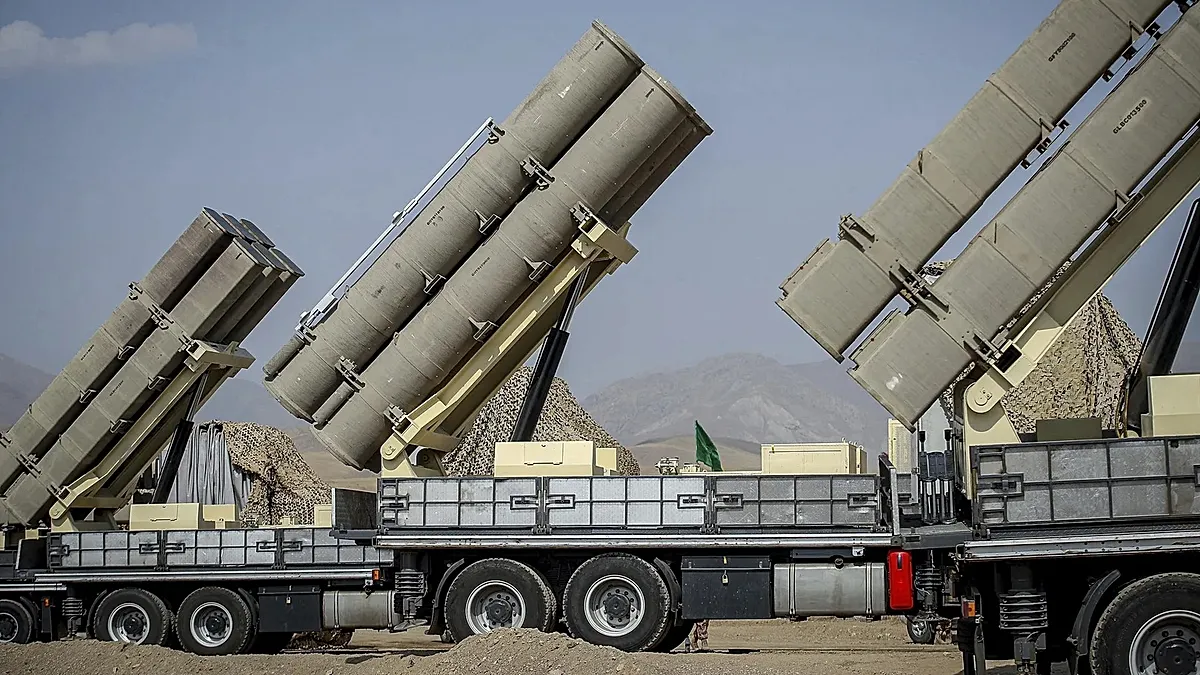
Poinews.com – As the Gulf region grapples with mounting geopolitical pressures, Gulf states brace again for fiery US-Iran showdowns that threaten to reignite hostilities. The latest flare-up in tensions has led to heightened military posturing, with Iran launching attacks on Kuwait and Bahrain, while the United States has escalated its military presence in the area. This renewed conflict comes amid a series of confrontations over the past weeks, as both nations continue to test each other’s resolve. The situation has prompted Gulf leaders to reevaluate their strategies, balancing the need for regional security with the hope of diplomatic resolution. With the US-Iran standoff at a critical juncture, the Gulf states remain a focal point for the broader Middle East crisis.
The US-Iran Tensions Spiral: A Threat to Gulf Stability
The current crisis has deepened since the United States and Iran began their renewed confrontation, with the US president’s recent statements at the NATO summit in Ankara marking a significant turning point. By declaring the US-Iran ceasefire “over,” Trump’s remarks have raised concerns among Gulf nations, many of which fear a return to open conflict. The decision to escalate tensions follows months of strategic maneuvering, including US sanctions on Iranian energy exports and Iran’s retaliatory actions in the region. Gulf states, already wary of Iran’s growing influence, are now more determined than ever to protect their interests and ensure the stability of the region. Their cautious yet resolute stance reflects a blend of historical ties and geopolitical pragmatism.
“The situation in the Gulf has reached a point where a single miscalculation could lead to widespread conflict, with the potential to disrupt global oil supplies and destabilize entire nations.”
Qatar’s Assertive Stance in the Crisis
Qatar has emerged as a vocal critic of Iran’s recent actions, particularly the attacks on a Qatari tanker and a Saudi vessel in the Strait of Hormuz. These strikes, which have drawn sharp condemnation from Gulf leaders, underscore the region’s vulnerability to external pressures. The country’s foreign ministry has called for immediate action to safeguard maritime routes, emphasizing the critical role these waterways play in the global economy. Qatar’s diplomatic efforts are not limited to protests; the nation has also sought to mediate between the US and Iran, leveraging its position as a key energy hub and regional negotiator. Its assertive response highlights the Gulf states’ collective resolve to defend their sovereignty and economic interests.
Regional Unity and Strategic Concerns
Despite individual responses, Gulf states have maintained a unified front in addressing the crisis, demonstrating their shared commitment to regional security. Kuwait’s recent statements condemning Iranian strikes on its territory and Bahrain’s alignment with the US position have reinforced this solidarity. Meanwhile, Oman, traditionally a neutral mediator, has called for a return to dialogue, warning that prolonged instability could erode trade and investment in the region. The UAE, another key player, has reiterated its support for US-led efforts to contain Iran, while also stressing the importance of maintaining diplomatic channels. This coordinated approach signals that the Gulf states are prepared to take both defensive and proactive measures in the face of escalating tensions.
“The Gulf Cooperation Council’s unity is a critical factor in maintaining regional stability, as each nation’s survival and prosperity depend on the others’ security.”
Iran’s Strategic Calculations and Regional Impact
Iran’s recent actions in the Gulf are part of a broader strategy to assert its influence and challenge Western dominance in the region. Analysts suggest that targeting vessels in the Strait of Hormuz is a calculated move to demonstrate Tehran’s control over key maritime routes, which are vital for global oil exports. While this tactic may serve Iran’s strategic goals, it has also raised fears among Gulf nations about the potential for a wider war. The US, with its naval presence in the region, is seen as a stabilizing force, but its aggressive posturing has further complicated diplomatic efforts. As the crisis deepens, Gulf states are bracing again for fiery confrontations that could reshape the region’s political and economic landscape.
Global Implications of the US-Iran Standoff
The escalating US-Iran tensions are not only a regional issue but have also drawn international attention. With oil prices fluctuating and global energy markets on edge, the conflict could have far-reaching consequences beyond the Gulf. The European Union and China have expressed concern over the potential disruption of oil supplies, highlighting the interconnected nature of global trade and geopolitics. Meanwhile, the United Nations has called for de-escalation, urging both sides to avoid actions that could trigger a larger war. Gulf states, aware of their strategic importance, are bracing again for fiery showdowns that could impact not just their own stability but the entire world’s energy security.
“The Gulf’s strategic location and energy resources make it a linchpin in the global economy, and any conflict there could have ripple effects across the world.”
Conclusion: A Path Forward for the Gulf States
As the crisis intensifies, Gulf states remain steadfast in their efforts to mitigate the fallout from the US-Iran showdown. Their resilience in the face of repeated threats underscores a deepening resolve to protect their interests and maintain regional harmony. While the road to peace is uncertain, the Gulf’s collective actions and diplomatic outreach