Tanks vs. tractors? Can the EU keep providing a political shield to farmers? MEPs debate in The Ring
Tanks vs tractors Can the EU keep: Tanks vs. Tractors: Can the EU Continue to Provide a Political Shield for Farmers?

Tanks vs. Tractors: Can the EU Continue to Provide a Political Shield for Farmers?
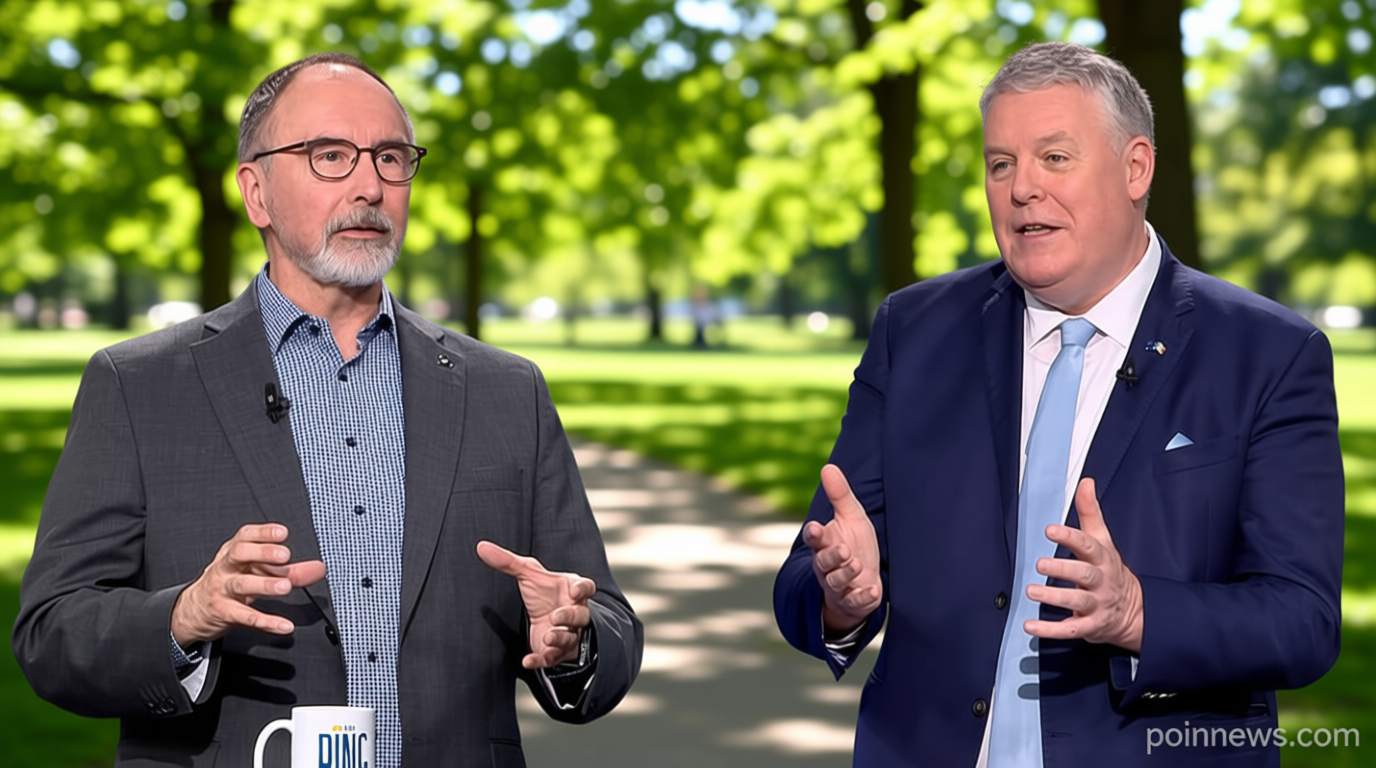
Poinews.com – As farmers across Europe intensify their protests, the question of whether the EU can sustain its role as a political shield for agricultural communities remains at the forefront of debate. The growing discontent stems from escalating costs, stringent environmental rules, and new trade deals that farmers claim undermine their economic viability. In a recent episode of The Ring, Euronews’ weekly political series, MEPs Ciaran Mulloly (Renew Europe) and Pekka Toveri (European People’s Party) explored the challenges of maintaining agricultural support while addressing the bloc’s expanding geopolitical responsibilities. The discussion highlights a critical dilemma: how to reconcile the EU’s commitment to farmers with the rising demands for defense and security funding.
Subsidy Struggles and the Allocation of Resources
The debate over agricultural subsidies has intensified in recent years, with concerns about the EU’s financial priorities. Mulloly argues that the current funding level—amounting to 30% of the EU’s total budget—must remain intact to ensure the long-term survival of rural livelihoods. He emphasizes that reducing these payments could lead to significant losses for farmers, particularly in countries where agriculture is a cornerstone of the economy. Toveri, however, contends that security threats, especially from Russia’s growing influence, necessitate a reallocation of resources. “We understand the importance of food security and agriculture,” Toveri asserts.
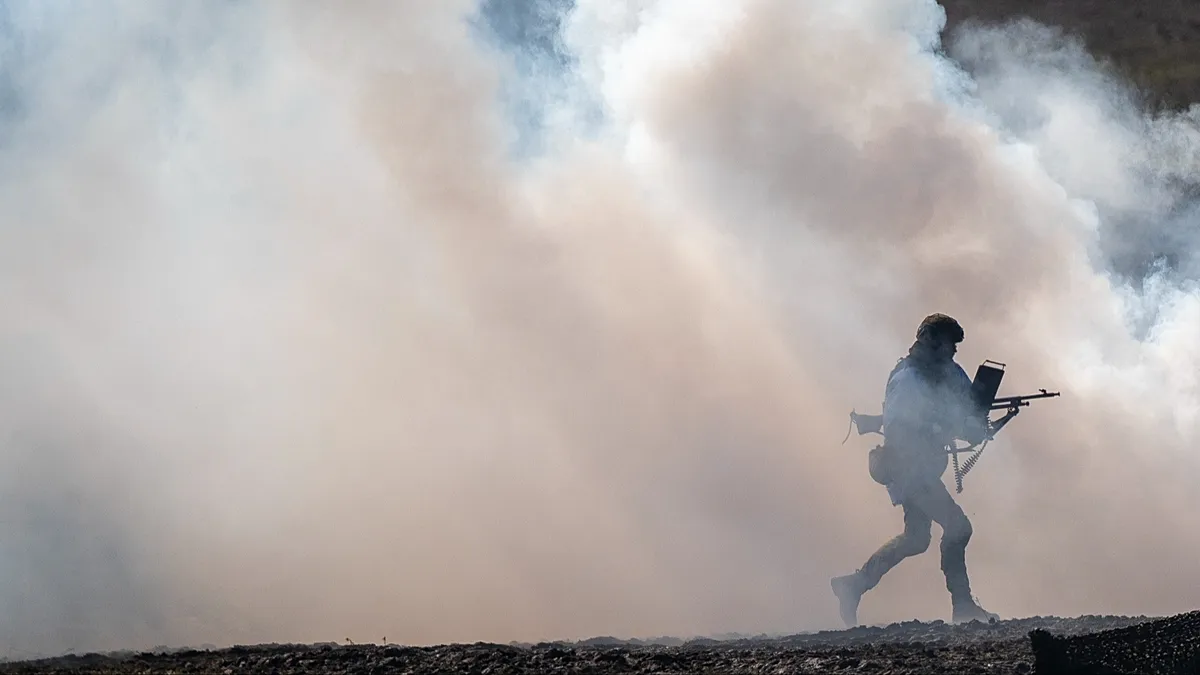
“But on the other hand, we also know the threat of Russia, which is not only the eastern border. And therefore, we need to be stronger in security and defence. That means everyone has to pitch in, including agriculture.”
Ukraine’s Impact on EU Agricultural Strategy
The inclusion of Ukraine in the EU’s agricultural landscape has become a contentious issue. With approximately 40 million hectares of arable land—equivalent to the size of Italy—Ukraine has the potential to significantly boost Europe’s cereal production. Toveri notes that the country could contribute up to 20% of the continent’s output if it joined the bloc. However, Mulloly warns against compromising existing subsidies to accommodate Ukraine’s entry. “I’m opposed to any reduction in our single farm payments,” he states.
“That doesn’t mean I don’t recognize Ukraine’s agricultural potential. But you have to remember that in full production, Ukraine’s output would rival both France and Italy combined. We can’t ignore the needs of current EU farmers just to open the door to new ones.”
Climate Policy and the Role of Farmers
Environmental regulations are another key factor driving farmer protests. Both MEPs agree that agricultural practices are integral to climate change mitigation and ecosystem preservation. Toveri highlights Finland’s historical connection to the land, saying,
“Finns have lived in harmony with nature for centuries. They don’t want to destroy it just to expand farming. That’s why we need policies that align agriculture with sustainability.”
Mulloly adds that farmers have long been stewards of the environment, contributing to initiatives like the Common Agricultural Policy (CAP). “For generations, our families have balanced farming with ecological responsibility,” he says. “But now, with stricter rules, we’re asking farmers to do more with less.”
Addressing the Aging Workforce in Agriculture
The aging demographic of EU farmers presents another challenge. Many are over 60, and without new recruits, the sector risks stagnation. Both speakers acknowledge the urgency of attracting younger generations to farming. Mulloly suggests increasing the agricultural budget to create opportunities for new entrants. “We need to invest in innovation and modernization to make farming more appealing to the next generation,” he argues. Toveri, meanwhile, advocates for flexible policy adjustments. “Ukraine offers a unique opportunity to diversify our agricultural base,” he notes. “But we must ensure that policies are adaptable to different regions and needs.”
Geopolitical Shifts and the Future of EU Agricultural Support
As the EU grapples with balancing domestic priorities and global alliances, the role of agriculture in this equation is evolving. The bloc’s increasing focus on defense spending and trade partnerships with emerging markets has sparked concerns about reduced support for traditional farming sectors. Mulloly warns that without a clear commitment to agricultural protection, the EU could lose its edge in food production. Toveri counters that the EU must be proactive in ensuring food security. “If we don’t invest in both security and agriculture, we risk losing the very resources that keep our continent fed,” he says. The debate underscores the need for a strategic reevaluation of how the EU allocates its financial and political resources.
This episode of The Ring was hosted by Mared Gwyn and produced by Luis Albertos Altarejos, Amaia Echevarria, and Lauren Walker, with editing by Vassilis Glynos. For further insights into EU agricultural policy and the challenges facing farmers, readers are encouraged to contact The Ring at thering@euronews.com. As the discussion reveals, the EU’s ability to maintain its political shield for farmers may hinge on finding innovative solutions that satisfy both economic and security demands.