Greek anti-terrorist police arrest three for deadly bombings targeting politicians
Greek Anti-Terrorist Police Arrest Three in Deadly Bombings Targeting Politicians Greek anti terrorist police arrest three - On July 10, Greek anti-terrorist

Greek Anti-Terrorist Police Arrest Three in Deadly Bombings Targeting Politicians
Poinews.com – On July 10, Greek anti-terrorist police made significant arrests in connection with a series of bombings that targeted prominent politicians earlier this month. The operation, which unfolded across Thessaloniki and the island of Crete, led to the detention of three individuals suspected of involvement in the attacks. These bombings, which killed one person and injured several others, have intensified scrutiny on the security forces and raised questions about the role of domestic extremism in Greek politics.
Details of the Arrests and Suspects
The three suspects were apprehended by Greek anti-terrorist police after a coordinated investigation into the July 1 attacks. Among them was a 29-year-old man linked to the explosive device used in the car bombing, as well as a 26-year-old woman who allegedly helped plan the strikes. A third individual was arrested for harboring the pair, with authorities indicating the suspect had provided logistical support. The police confirmed that the arrests were part of a broader effort to dismantle the network responsible for the violence.
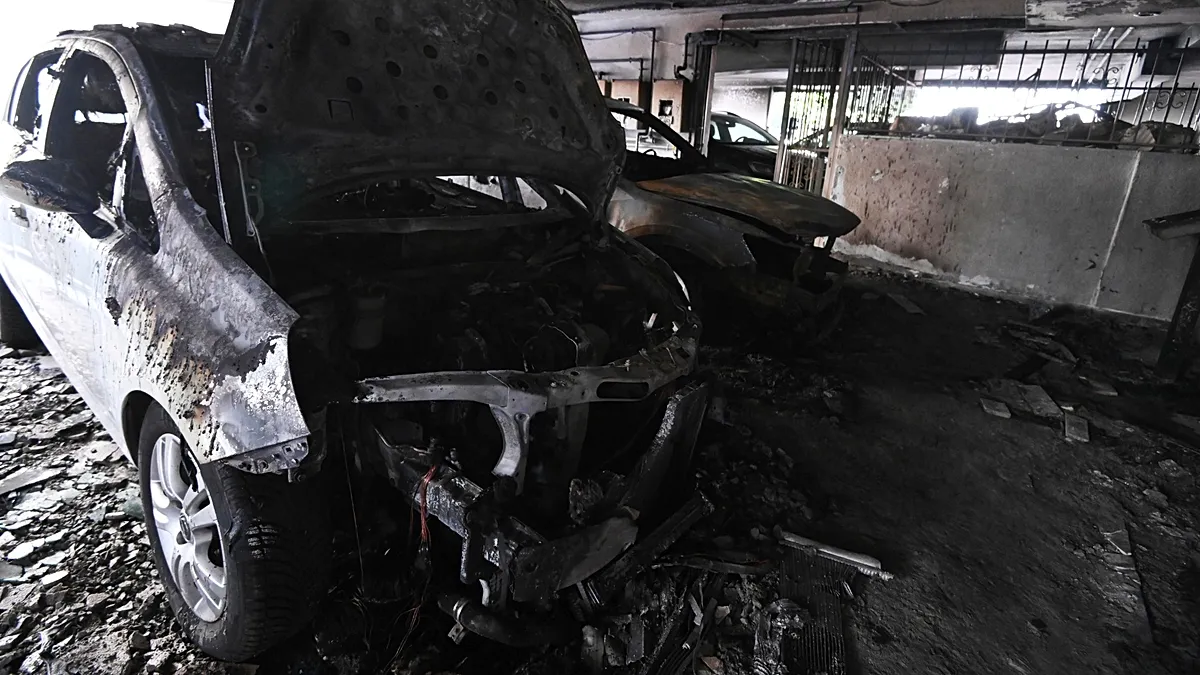
The attacks focused on the residences and vehicles of three key New Democracy politicians, including Afroditi Nestora, the mother of a former party candidate. Four vehicles in her garage were destroyed in the blast, which left her and her father critically injured. The explosion targeted Zisis Ioakimovic, the local executive committee chairman of New Democracy, and Savvas Anastasiades, a former MP, marking a stark escalation in the use of homemade gas canister explosives against political figures.
Context of the Attacks and Government Response
“One day after the funeral of Afroditi Nestora, the state honors her memory by leading, as we had pledged to do, the terrorists to justice,” stated Prime Minister Kyriakos Mitsotakis during a parliamentary address. “It is democracy’s answer to violence. Democracy’s only answer to violence.”
Authorities revealed that the improvised explosives were constructed from small butane canisters, a method commonly used in past incidents. The police also confirmed that the attacks were attributed to a domestic extremist group with ties to anti-establishment activism. This group, which has been active for years, is believed to have targeted politicians and law enforcement as part of a broader campaign to challenge institutional authority.
Greece has witnessed politically motivated violence for decades, with domestic extremists conducting small-scale bombings since the 1970s. These attacks, often targeting symbols of power such as politicians’ homes or vehicles, have typically caused property damage without severe injuries. However, the recent bombings represent a shift in tactics, with more lethal outcomes and a clear focus on high-profile individuals. While major extremist groups from the 1980s and 1990s have been disbanded, their legacy persists through new factions that continue to exploit societal tensions.
The Greek anti-terrorist police have emphasized that the operation was swift and effective, citing the 15-minute window in which the attacks occurred. This rapid response has been praised by some officials but criticized by others for not preventing the loss of life. The arrests have also sparked discussions about the need for enhanced intelligence-sharing and public awareness campaigns to combat radicalization. As the investigation continues, the government faces pressure to address the underlying causes of political violence and strengthen security measures in key areas.