Ex-Spanish PM Rajoy: French World Cup team is playing ‘without Frenchmen’
p Remark Sparks Debate Ex Spanish PM Rajoy - Ex-Spanish PM Rajoy has sparked a heated discussion after suggesting that France's football team is competing

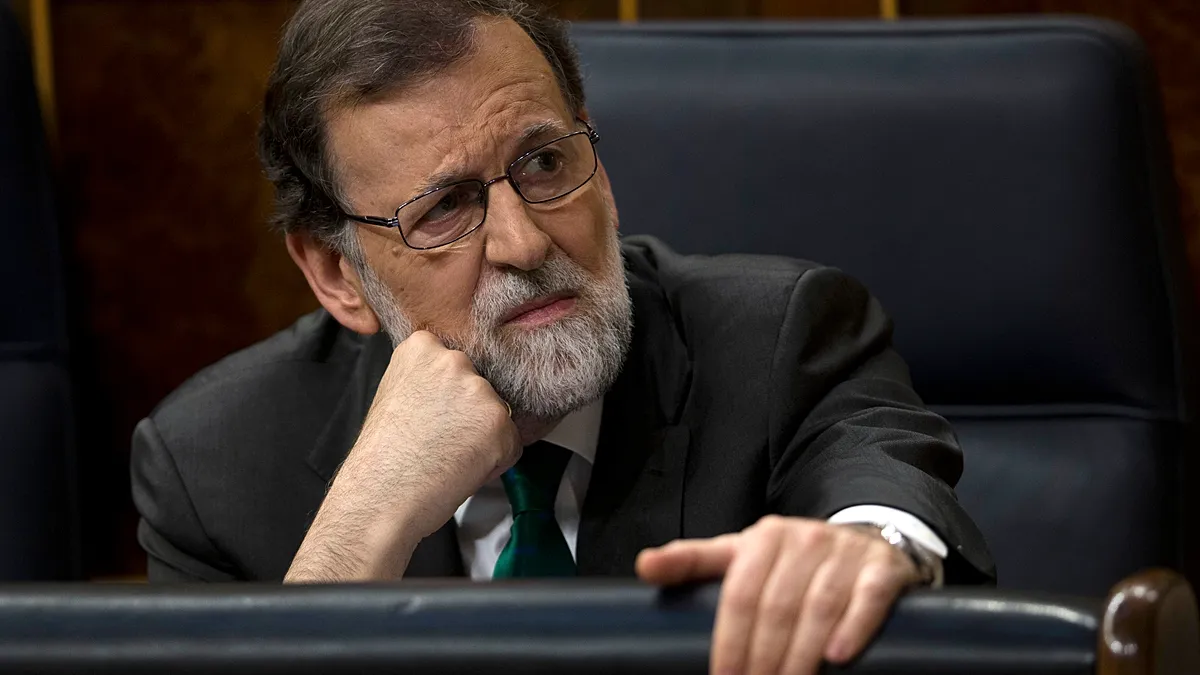
Ex-Spanish PM Rajoy’s World Cup Remark Sparks Debate
Poinews.com – Ex-Spanish PM Rajoy has sparked a heated discussion after suggesting that France’s football team is competing “without Frenchmen” during the 2026 World Cup. The former leader of Spain, Mariano Rajoy, made the comment in his recent analysis for El Debate, a column he has written following each of Spain’s matches at the tournament. In the article titled “Hoy llegó el desquite” (“Today was the day for revenge”), Rajoy reflected on Spain’s 2-1 quarterfinal victory over Belgium and prepared for the upcoming semifinal against France, which is coached by Didier Deschamps. His remark came after acknowledging France’s recent World Cup successes, including their undefeated streak in the current edition of the tournament.
French Squad’s Ethnic Diversity
Rajoy’s statement highlighted the ethnic diversity within France’s World Cup squad, emphasizing the presence of players with immigrant backgrounds or roots in former French colonies. Out of the 26 players selected by Deschamps, only three were born outside France: Michael Olise, Marcus Thuram, and Brice Samba. Olise, who was born in London to a British-Nigerian father and a French-Algerian mother, represents a unique blend of multicultural influences. Thuram, born in Parma, was the son of Lilian Thuram, a renowned French footballer who played for Italy at the time. Samba, from the Democratic Republic of the Congo, completed the trio of non-French-born players in the squad.
Ex-Spanish PM Rajoy’s remarks prompted discussions about the broader implications of multicultural representation in French football. While the team’s composition reflects France’s diverse society, some critics argue that the emphasis on nationality can sometimes overshadow the players’ individual talents. Rajoy’s comment also resonated with older debates about the role of immigrants in national identity, particularly in the context of European politics. His words were seen by some as a reflection of traditionalist views, while others interpreted them as a critique of the current trend of multicultural integration in sports.
Political and Social Reactions
The political backlash to Ex-Spanish PM Rajoy’s remark was swift, with Spanish left-wing MEP José Cepeda condemning it as “racist and xenophobic” on Spanish television. He argued that Rajoy’s comments undermined the spirit of sportsmanship and could be used to stoke nationalistic sentiments. In France, social media platforms buzzed with reactions, including from Aurore Bergé, the Minister Delegate for Equality between Women and Men. Bergé called Rajoy’s remarks “intolerable” and urged the public to focus on talent rather than nationality when judging players.
“They just can’t help but spout vile racism in a bid to rile up our wonderful French team,” wrote Fabien Roussel, the national secretary of the French Communist Party, comparing Rajoy’s words to a recent remark by a Paraguayan politician about Kylian Mbappé. That comment had led to an investigation by the Paris prosecutor’s office for “aggravated public insult.” Rajoy’s statement, while not as direct, still ignited similar concerns about the potential for discriminatory language in sports commentary.
The debate over French football and immigration has long been a contentious issue in French politics. Dating back to the 1998 World Cup, where players like Zinedine Zidane, Lilian Thuram, Marcel Desailly, and Patrick Vieira contributed to France’s historic victory, the conversation has often centered on the cultural and national identity of the team. At the time, the National Front, led by Jean-Marie Le Pen, claimed the squad was “artificial,” suggesting that foreign-born players did not authentically represent France. These arguments, once considered racist, have resurfaced in recent discourse, linking the team’s diversity to broader discussions about immigration and national pride.
Ex-Spanish PM Rajoy’s comments have added fuel to this debate, raising questions about how national identity is perceived in European sports. While his remarks may be interpreted as a critique of French football’s multiculturalism, they also reflect a broader trend of political figures using sports as a platform to express views on immigration and cultural integration. The timing of his remark—just days before the World Cup semifinal between France and Spain in Dallas—has amplified its significance, making it a focal point for political and cultural discussions in both countries.
Despite the controversy, many in Spain and France have called for a balanced perspective. Some argue that Rajoy’s statement was meant to highlight the team’s diversity rather than denigrate it. Others see it as a reflection of growing tensions between nationalist and progressive political movements. The World Cup, as a global event, often serves as a stage for such debates, where cultural and national identities are both celebrated and scrutinized. Ex-Spanish PM Rajoy’s words, while provocative, have sparked a necessary conversation about the role of multiculturalism in shaping national teams and the broader implications for European politics.
As the World Cup progresses, the focus on France’s squad and their national identity is likely to remain a topic of interest. Ex-Spanish PM Rajoy’s remarks have not only highlighted the cultural makeup of the team but also underscored the importance of addressing such issues in the context of international sports. With the semifinal between France and Spain approaching, the comments may influence public perception of both teams, adding an extra layer of political and social commentary to the competition. This intersection of sports and politics continues to shape the narrative of the World Cup, reflecting the complex dynamics of national identity in a multicultural world.