The future of journalism debated at the 4th Shusha Global Media Forum
The Future of Journalism Debated at the 4th Shusha Global Media Forum The future of journalism debated at - As the 4th Shusha Global Media Forum unfolded, the

The Future of Journalism Debated at the 4th Shusha Global Media Forum
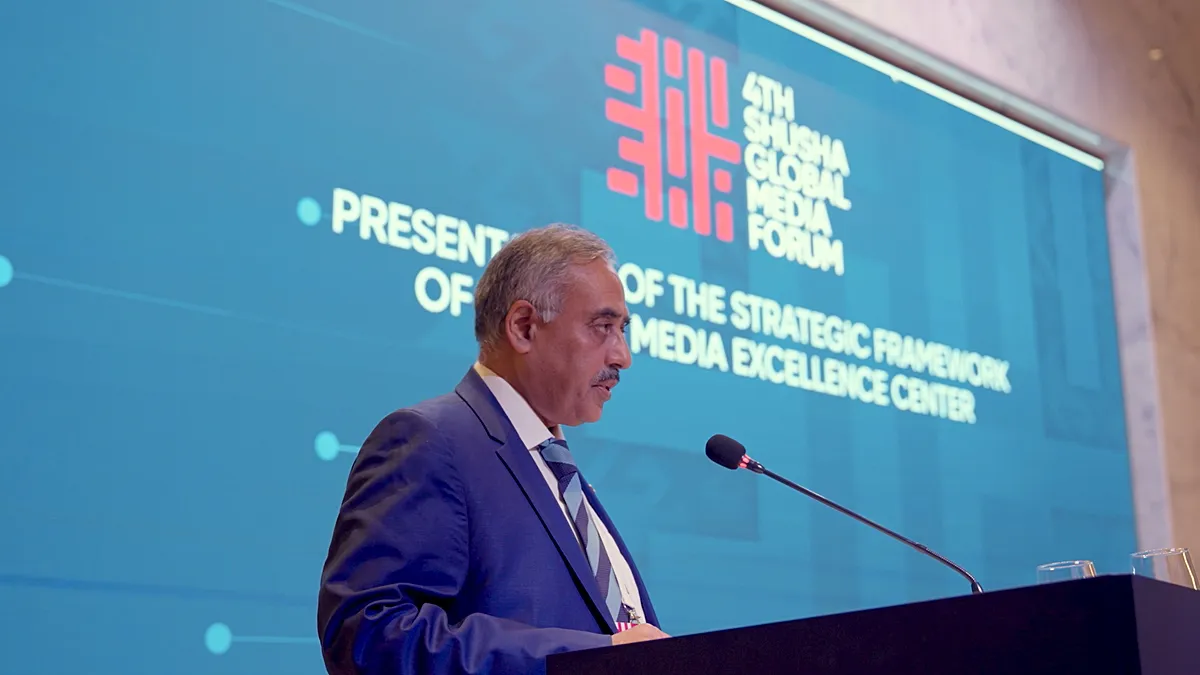
Poinews.com – As the 4th Shusha Global Media Forum unfolded, the central theme of “The future of journalism debated” took center stage, sparking intense conversations about the evolving landscape of media in the digital age. Held in Shusha, a city in Nagorno-Karabakh, the forum brought together journalists, editors, technology experts, and policymakers from around the world to explore how the profession is adapting to unprecedented challenges. With disinformation spreading faster than ever, the rise of artificial intelligence, and the growing disconnect between media and public audiences, the need for a reimagined approach to journalism has never been more urgent. This event served as a platform for stakeholders to examine both the threats and opportunities reshaping newsrooms and their role in society, emphasizing the importance of maintaining credibility in an era of rapid technological change.
Key Discussions and Themes
Among the most pressing topics at the forum was the impact of AI on traditional reporting methods. Panelists argued that while automation can streamline content creation and data analysis, it also risks diminishing the human element that underpins investigative journalism and storytelling. A panel on “The Role of AI in Journalism” featured experts discussing how algorithms can prioritize speed over accuracy, leading to the proliferation of misleading or incomplete stories. The debate extended to the ethical implications of AI-generated content, with concerns raised about accountability when a machine writes a breaking news story without a human editor. Meanwhile, discussions on disinformation highlighted the role of social media platforms in amplifying false narratives, prompting calls for stricter content moderation and greater transparency in algorithmic design.
“The future of journalism debated isn’t just about technology—it’s about trust, truth, and the societal contract we have with our audiences,” remarked one of the keynote speakers, underscoring the forum’s focus on rebuilding public faith in media. This sentiment resonated throughout the event, as participants emphasized the need for a balance between innovation and integrity.
Another key theme revolved around the importance of cross-border collaboration in addressing global information challenges. With misinformation often crossing national boundaries at lightning speed, experts stressed the necessity of international partnerships to share best practices, coordinate fact-checking efforts, and standardize media ethics. The forum also highlighted the role of media literacy in empowering audiences to discern credible information from fake news. Participants called for educational initiatives and public awareness campaigns to equip individuals with the skills to critically evaluate sources, especially in the context of “The future of journalism debated.” These discussions underscored the idea that journalism’s survival depends not only on adapting to new tools but also on engaging with the communities it serves.
The Path Forward for Journalism
Looking ahead, the forum outlined a vision for journalism that prioritizes innovation without compromising its foundational principles. One proposal centered on the development of hybrid newsrooms, where human journalists and AI systems work in tandem to enhance efficiency while preserving the depth and nuance of storytelling. This model was presented as a potential solution to the crisis of overreliance on automated content, which can sometimes lack the contextual understanding required for accurate reporting. Additionally, attendees proposed the establishment of a global media watchdog to oversee the ethical use of AI in news production, ensuring that technology serves as a tool for transparency rather than a barrier to truth.
Participants also stressed the importance of investing in digital infrastructure to support the transition to a more tech-integrated media landscape. With the rise of algorithm-driven content consumption, the need for robust digital tools to verify sources, track trends, and maintain editorial oversight became a focal point. The forum further addressed the challenges of maintaining relevance in an age where news cycles are faster and attention spans are shorter. Strategies such as interactive storytelling, multimedia integration, and personalized content delivery were discussed as ways to engage audiences while upholding journalistic standards. These insights collectively painted a picture of a profession that is not only surviving but actively evolving to meet the demands of a rapidly changing world.
As the 4th Shusha Global Media Forum concluded, it became clear that “The future of journalism debated” is not a single conversation but a multifaceted dialogue involving technology, ethics, and audience engagement. The event left participants with a renewed sense of purpose, highlighting that the core mission of journalism—to inform, educate, and inspire—remains as vital as ever. By embracing innovation while staying grounded in truth, the media industry can navigate the complexities of the digital era and continue to serve as a cornerstone of democratic societies. The next steps include implementing the forum’s recommendations, fostering ongoing collaboration, and preparing for the next chapter in the ever-evolving story of journalism.