Latvia becomes Lukashenka’s latest pressure point for the EU
Latvia Becomes Lukashenka's Latest Pressure Point for the EU Latvia becomes Lukashenka s latest pressure - Latvia has emerged as a key focal point in the EU's

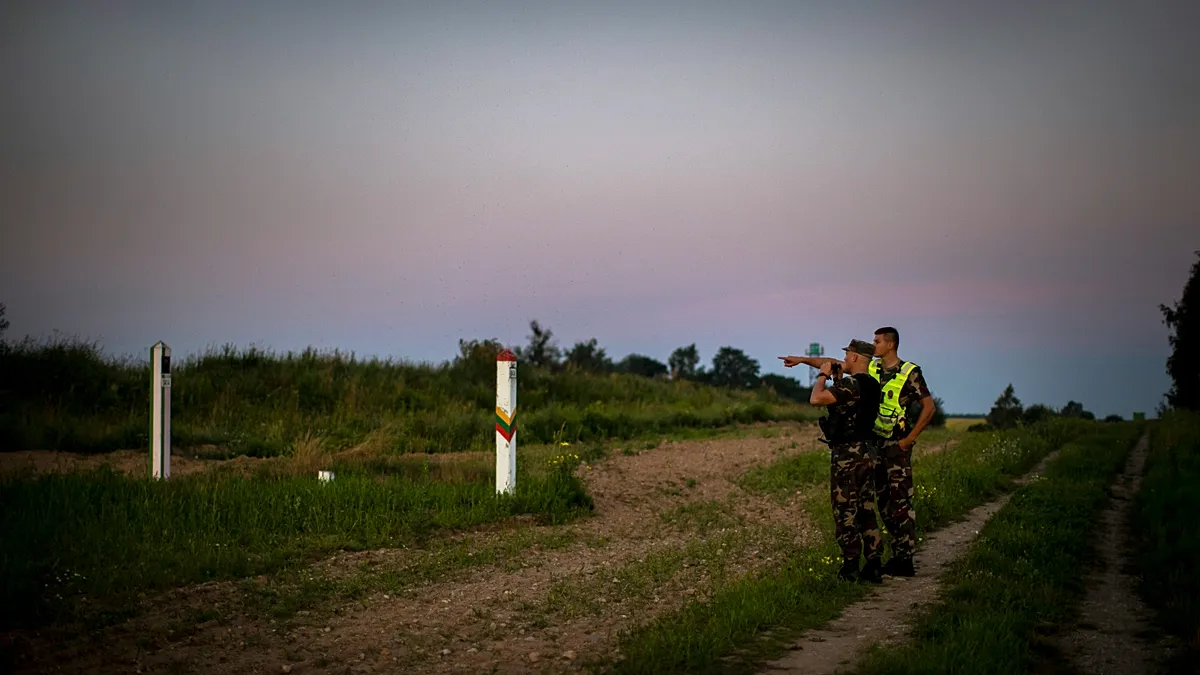
Table of Contents
Latvia Becomes Lukashenka’s Latest Pressure Point for the EU
Poinews.com – Latvia has emerged as a key focal point in the EU’s efforts to counter the escalating migrant pressure orchestrated by Belarusian President Alexander Lukashenka. The strategy of using migration as a political tool has intensified, with the small Baltic nation now bearing the brunt of this maneuver. Analysts suggest that this surge in activity is a deliberate move to test the EU’s resilience, particularly as the bloc grapples with internal divisions and external threats. The situation has drawn increased attention to Latvia’s role as a critical frontier between Belarus and the European Union.
The Migration Crisis Escalates
Recent data from Latvian border authorities reveals a dramatic spike in unauthorized crossings from Belarus, with 111 migrants attempting to enter the country in a single day. This number surpasses the previous weeks’ figures, underscoring the growing intensity of the crisis. While Lithuania’s longer border with Belarus had previously seen the majority of crossings, the shift in focus to Latvia highlights the evolving dynamics of the situation. Poland, meanwhile, reported a lack of crossings, indicating that the pressure is concentrated along the Baltic states’ borders.
Secondary migration patterns also show a marked increase, with Lithuanian officials documenting a fourfold rise in attempts to move further westward through their territory after entering Latvia. This secondary flow has placed additional strain on the EU’s eastern flank, forcing member states to reconsider their collective responses. The crisis has not only heightened security concerns but also sparked debates about the effectiveness of current border control measures.
“Today, Latvia’s border has become the main target,” said Jānis Dombrava, Latvia’s Interior Minister, in an interview with Euronews. “The Belarusian regime is testing the EU’s capacity to manage this challenge, and we are under significant pressure to respond swiftly and decisively.”
The timing of the increased pressure appears strategic, with officials attributing it to the ongoing conflict in Ukraine. The Belarusian government, aligned with Russia, has used the war as a backdrop to amplify its influence on the EU by directing migrants toward Latvia. Dombrava explained that the regime’s goal is to overwhelm neighboring states, leveraging the situation to demand concessions. “We are not just defending our borders,” he added, “but also ensuring the EU’s unity in the face of external pressures.”
Baltic Cooperation and EU Response
To address the surge in migration, Latvia has strengthened its collaboration with the Baltic states. Lithuania deployed additional border guards and service dogs to reinforce patrols along the Belarusian border, replacing officers stationed there since July 1. Estonia also contributed by sending two 12-member teams to support Latvia’s efforts. These moves reflect a shared commitment to fortify the EU’s eastern defenses, even as each nation faces unique challenges.
The crisis has prompted discussions about broader EU strategies to contain Lukashenka’s tactics. With the Latvian-Belarusian border serving as both NATO and EU territory, the region’s security is a matter of collective interest. Dombrava emphasized that the focus remains on maintaining control at the external frontier, rather than imposing restrictions within the bloc. This approach is supported by a recent agreement signed on Thursday, which aims to streamline coordination among law enforcement agencies.
Despite the challenges, cooperation between the Baltic states persists. Lithuania’s Interior Minister, Martynas Katelynas, has hinted at the possibility of temporary border controls with Latvia, following Poland’s lead. “If we had no other way to manage the flow and stop migrants at the border,” Katelynas stated, “we might consider such measures.” This sentiment underscores the urgency of the situation and the willingness of member states to adapt their strategies.