France’s justice minister refuses to resign after outcry over girl’s killing
France’s Justice Minister Refuses to Resign Over Girl’s Killing France s justice minister refuses to resign - In the wake of a national outcry following the

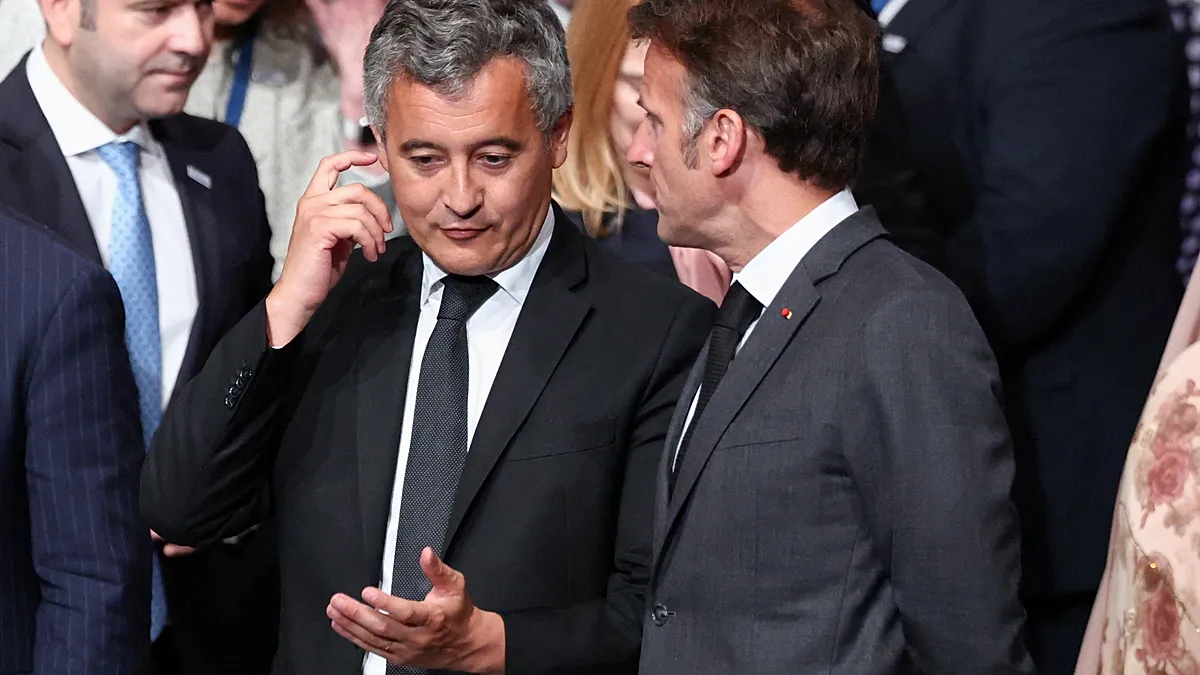
Table of Contents
France’s Justice Minister Refuses to Resign Over Girl’s Killing
Poinews.com – In the wake of a national outcry following the tragic death of an 11-year-old girl, France’s Justice Minister Gérald Darmanin has steadfastly refused to resign, despite mounting pressure to take accountability for the judicial system’s failures. The incident, which unfolded near Fleurance in southwestern France, has sparked intense debate about the effectiveness of legal procedures and the role of officials in addressing child abuse cases. Darmanin emphasized his commitment to transparency, stating that his decision to stay in office hinges on his ability to address the concerns raised by the public and ensure reforms are implemented to prevent similar tragedies.
Systemic Failures and the Role of Judicial Oversight
The case of Lyhanna’s disappearance and subsequent death has exposed deep-seated issues within France’s justice system. Reports revealed that the primary suspect, Jérome B, had a history of multiple accusations involving minors, yet his case was delayed for nine months due to procedural bottlenecks. Darmanin defended the process, arguing that the system’s complexity necessitates time for thorough investigations. However, critics contend that this delay allowed the abuse to escalate, with Lyhanna’s body discovered only after her disappearance on 29 May. The minister’s refusal to resign has been met with mixed reactions, as both supporters and detractors call for decisive action to restore public confidence.
“Is this a one-off failure, or is it more systemic?” Darmanin asked during a press briefing, vowing to reveal the full truth without hiding anything from the French people. His statement underscores the ongoing scrutiny of the system, which has been plagued by overburdened prosecutors and a shortage of legal investigators compared to other European nations.
Delays and Resource Constraints in the Justice System
The investigation into Jérome B’s alleged crimes highlights the challenges faced by France’s legal infrastructure. With fewer prosecutors than the European average, the system struggles to handle high volumes of cases efficiently. The delay in questioning the suspect, which began with a complaint filed in August of the previous year, has been cited as a critical factor in the tragic outcome. According to data from the independent commission CIIVISE, only 7% of sexual assault complaints against minors result in convictions, raising concerns about the system’s ability to protect vulnerable victims. This statistic has fueled calls for reform, with many arguing that structural inefficiencies contribute to preventable tragedies.
Darmanin’s defense of the system has not quelled the public’s anger. In a rare moment of vulnerability, he admitted that the earlier handling of Jérome B’s allegations was a “major misstep.” The minister’s apology, delivered on Friday, came amid growing demands for a more proactive approach to child protection. As the investigation continues, questions remain about how such delays can be avoided in the future, especially in cases involving minors. The incident has also reignited discussions about the need for increased funding and staffing within the judicial sector.
Political Ramifications and Calls for Reform
The tragedy has intensified political tensions ahead of the upcoming presidential election. President Emmanuel Macron acknowledged “clear deficiencies” in the justice system, calling the situation “unacceptable” and pledging to review the current framework. Opposition leaders, including Jordan Bardella of the far-right National Rally, have seized the opportunity to criticize the system, arguing that inadequate oversight could have prevented Lyhanna’s death. Across the political spectrum, there is a consensus that systemic flaws must be addressed to safeguard children and improve public trust in legal institutions.
Local communities in Fleurance have taken to the streets, organizing silent demonstrations to honor Lyhanna and demand accountability. The emotional weight of the case has united citizens in their calls for reforms, from better child protection protocols to faster judicial responses. While Darmanin remains committed to his role, the pressure to deliver tangible changes is mounting. The minister’s position now symbolizes a broader debate about leadership, transparency, and the ability of France’s justice system to adapt to modern challenges.