Live. Watch: Andy Burnham takes over from Keir Starmer as British Prime Minister
Live. Watch: Andy Burnham Takes Over From Keir Starmer as British Prime Minister Historic Leadership Transition Unfolds in the UK Live.

Live. Watch: Andy Burnham Takes Over From Keir Starmer as British Prime Minister
Historic Leadership Transition Unfolds in the UK
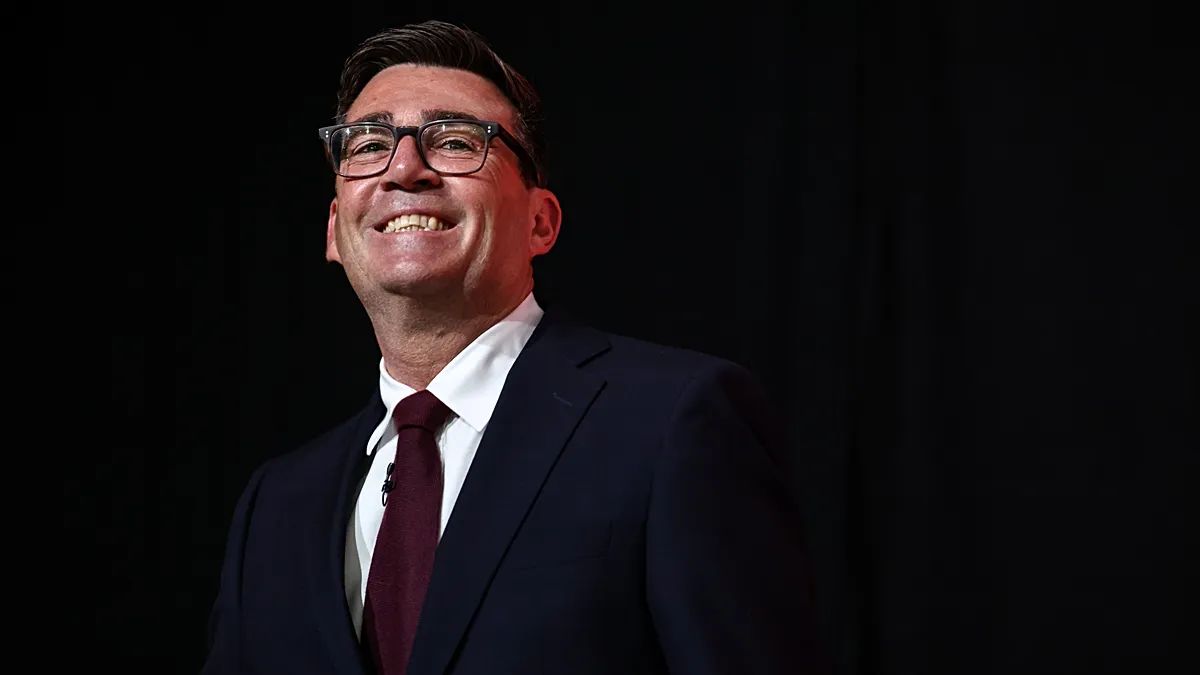
Poinews.com – Live. Watch: Andy Burnham takes over from Keir Starmer as British Prime Minister. On Monday, July 20, 2026, the UK marked a significant political shift as Andy Burnham, the former mayor of Greater Manchester, officially became the new leader of the Labour Party and Prime Minister. This move comes after a period of intense speculation and internal party dynamics, culminating in Keir Starmer’s resignation following two years in office. The transition not only reflects the evolving priorities of the Labour Party but also highlights the challenges of maintaining political cohesion in a rapidly changing landscape.
“This is a defining moment for British politics,” said a senior Labour strategist. “Burnham’s leadership brings a fresh perspective and renewed focus on local governance and economic stability.”
The appointment of Burnham follows a dramatic shift in the Labour leadership, driven by both public sentiment and internal party pressures. Starmer, who led the party through a critical period of post-Brexit recovery, faced mounting criticism over his handling of key policy issues and his ability to unite the party’s factions. Burnham’s rise to the top of the Labour hierarchy was fueled by his reputation as a pragmatic leader and his strong performance in regional politics, particularly in Manchester, where he served as mayor for over a decade. His new role is expected to prioritize addressing the needs of working-class communities and implementing structural reforms to modernize the party’s approach.
Political Climate and the Path to Leadership
The decision to replace Starmer with Burnham was reached after a series of high-stakes党内 debates and vote counts. With the Labour Party facing a resurgence in public support, the new leader is tasked with steering the country through a period of both opportunity and uncertainty. Burnham’s leadership will be tested by the ongoing challenges of inflation, housing shortages, and the need to rebuild trust in the government after years of political instability. His acceptance of the mandate at Buckingham Palace symbolizes the end of Starmer’s tenure and the beginning of a new chapter in British political history.
King Charles III played a central role in formalizing Burnham’s succession, inviting him to form a government following the general election. The ceremony, held in the grand halls of Buckingham Palace, underscored the ceremonial yet pivotal nature of the role. Once confirmed, Burnham is anticipated to arrive at Downing Street to address the nation, outlining his vision for the UK’s future. This event is not just a change in leadership but a reflection of broader shifts in public opinion and party strategy, with Burnham’s emphasis on practical policies and local engagement seen as a key differentiator in a competitive political arena.
The Legacy of Keir Starmer and the Rise of Andy Burnham
Keir Starmer’s tenure as Prime Minister was characterized by a focus on restoring stability to the Labour Party and addressing the economic fallout from the pandemic. His leadership saw a revival in the party’s electoral fortunes, with Labour gaining ground in key constituencies and winning a narrow majority in the 2025 general election. However, Starmer’s time in office also brought scrutiny over his handling of international relations and his approach to social reforms, which some critics argue left room for improvement.
Burnham’s ascent to the top of the Labour Party represents a generational shift, with his leadership style contrasting sharply from Starmer’s more centralized approach. As a former local politician, Burnham is expected to emphasize grassroots engagement, community-driven initiatives, and a more balanced approach to economic and social policy. His vision for the country includes a focus on infrastructure investment, green energy transition, and strengthening the welfare state, all of which align with Labour’s core values while addressing contemporary challenges.
With the official announcement of Burnham’s leadership, the UK enters a new phase of political governance. Analysts predict that his administration will face both immediate challenges and long-term opportunities, particularly in the context of Brexit and the global economic climate. The transition from Starmer to Burnham is not only a symbolic moment but a strategic move to reinvigorate the Labour Party and restore public confidence in its ability to lead the nation effectively. As the nation watches the unfolding events, the focus remains on how Burnham will navigate this critical juncture and shape the country’s future.