Drone from Russia shot down in eastern Latvia, says Latvia’s Foreign Affairs Minister
Drone from Russia shot down in eastern: from Russia shot down in eastern - On June 8, 2026, a drone from Russia was intercepted and shot down in eastern

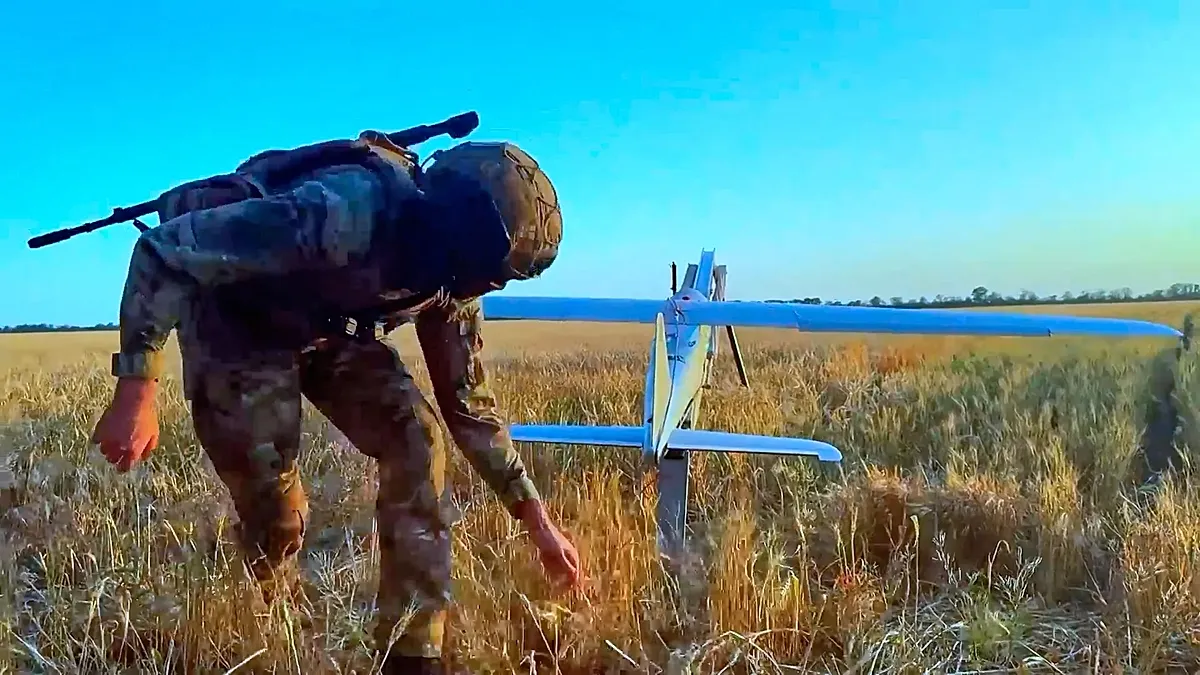
Russian Drone Shot Down in Eastern Latvia
Poinews.com – On June 8, 2026, a drone from Russia was intercepted and shot down in eastern Latvia, according to a statement by the country’s Foreign Affairs Minister, Baiba Braže. The incident, which occurred in the morning, marked a significant event in the ongoing tensions along the Baltic region’s borders. Braže expressed appreciation for the swift action taken by “our French allies” in neutralizing the drone that had entered Latvian airspace. The National Armed Forces (NBS) confirmed that the airspace threat was resolved by 10:30 am local time, reassuring residents that no further action was required. The drone’s origin was confirmed by a military spokesperson, who added that this was not an isolated occurrence, as similar alerts had been issued in the region just two weeks prior.
Residents Alerted and Prepared for Potential Threats
The NBS had previously warned citizens in eastern Latvia—specifically in the areas of Ludza, Balvi, and Alūksne—to remain vigilant. Mobile alerts were dispatched to prompt individuals to “seek shelter indoors, close windows and doors, and adhere to the two-wall principle” in case of a drone intrusion. These precautions were based on earlier reports of unidentified unmanned vehicles in the region, which had raised concerns about potential attacks. The latest incident followed a similar alert two weeks ago, when the NBS identified a UAV in the airspace near Krāslava, Rēzekne, and Augšdaugava. Authorities emphasized the importance of public awareness, urging residents to “avoid approaching low-flying, suspicious, or dangerous objects and immediately call 112 if observed.”
“If you notice a low-flying, suspicious, or dangerous object, do not approach it and call 112. We will inform you when the threat has ended,” the NBS advised during the initial warning.
The NBS also highlighted that the drone from Russia had been detected in the eastern territories, prompting immediate action. While the exact type of drone and its purpose were not disclosed, officials indicated that it was likely part of a broader campaign to test NATO’s defensive capabilities. The incident has intensified discussions about the need for enhanced air monitoring systems, especially as the frequency of drone incursions into European airspace has risen in recent months. Latvia’s strategic position at the crossroads of Eastern and Western Europe makes it a critical point of focus for security assessments.
NATO’s Enhanced Defenses and the Eastern Sentry Program
Following the drone from Russia incident, NATO has accelerated efforts to strengthen its eastern flank. The alliance’s increased vigilance comes after a series of drone incursions into NATO airspace last September, which led to the launch of the “drone wall” initiative. Latvia, as part of this program, has deployed additional military units to bolster its eastern border defenses. A key component of these upgrades is the installation of a new U.S.-developed anti-drone system along the eastern edge of the alliance, aimed at improving detection and interception capabilities. The Eastern Sentry program, initiated in response to a Polish airspace breach, is now being expanded to address the growing threat posed by Russian unmanned aerial vehicles.
European officials have noted that the recent drone from Russia event underscores the need for coordinated defense strategies. While some see the attacks as Moscow testing NATO’s readiness, others argue they are part of a more systematic effort to challenge the alliance’s security infrastructure. The NBS confirmed that the drone from Russia was neutralized without casualties, but the incident has reignited debates about the effectiveness of current air defense measures. Latvia’s actions reflect a broader trend of member states enhancing their capabilities to counter emerging threats, particularly from Russia.
Experts suggest that the drone from Russia could be a precursor to larger military operations, given its proximity to key infrastructure and the strategic importance of the region. The NBS has called for increased collaboration with neighboring countries to share intelligence and coordinate responses. Meanwhile, the Kremlin has dismissed allegations of Russian drone activity in the area, calling them “unfounded” and emphasizing that such incidents are part of NATO’s own maneuvers. This exchange highlights the political dimension of the event, as it serves as a reminder of the complex dynamics between Russia and the West in the context of ongoing conflicts.