‘EU’s environmental policy must be part of defence strategy,’ Commissioner Roswall says
EU Environmental Policy Must Integrate into Defence Strategy, Says Roswall EU s environmental policy must be part - Commissioner Jessika Roswall has called

EU Environmental Policy Must Integrate into Defence Strategy, Says Roswall
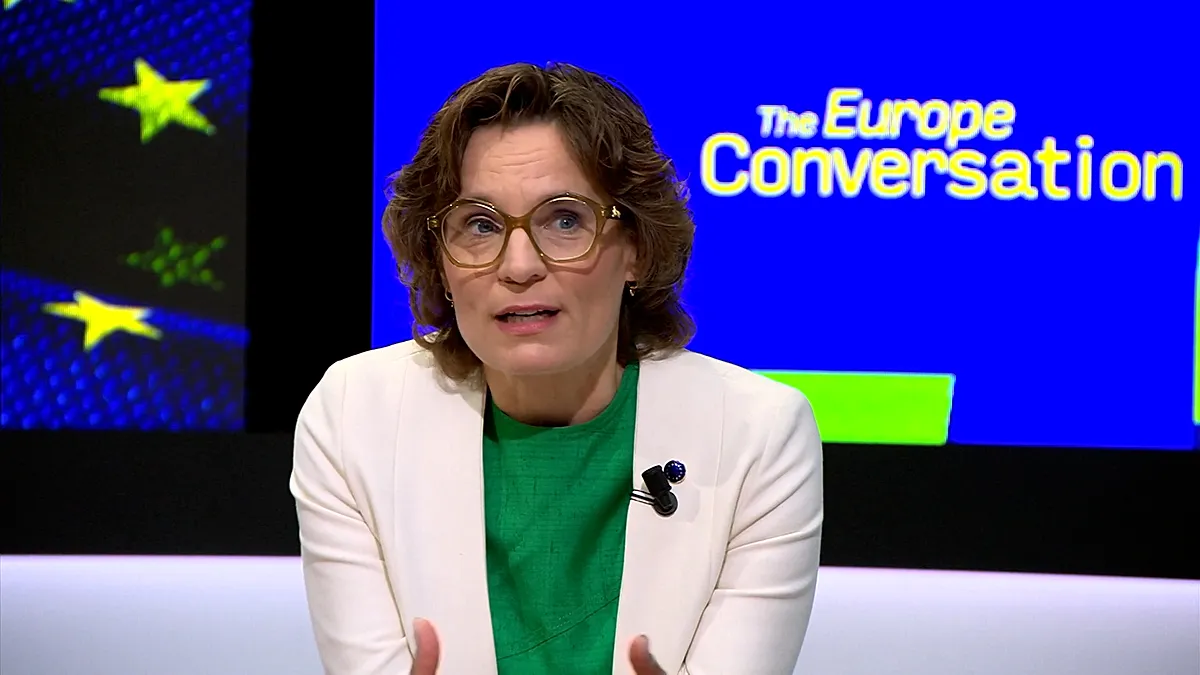
Poinews.com – Commissioner Jessika Roswall has called for the EU’s environmental policy to be embedded within its defence strategy, highlighting the growing link between ecological issues and security threats. In a recent interview on Euronews’ programme *The Europe Conversation*, she stressed that environmental challenges are no longer just about sustainability but have become critical to the continent’s resilience. “The EU’s environmental policy must be part of its defence strategy to ensure long-term security and adaptability,” she said. Roswall pointed out that resource scarcity, climate change, and ecosystem degradation are now directly influencing geopolitical stability, making environmental planning essential for strategic preparedness.
Resource Scarcity and Its Security Implications
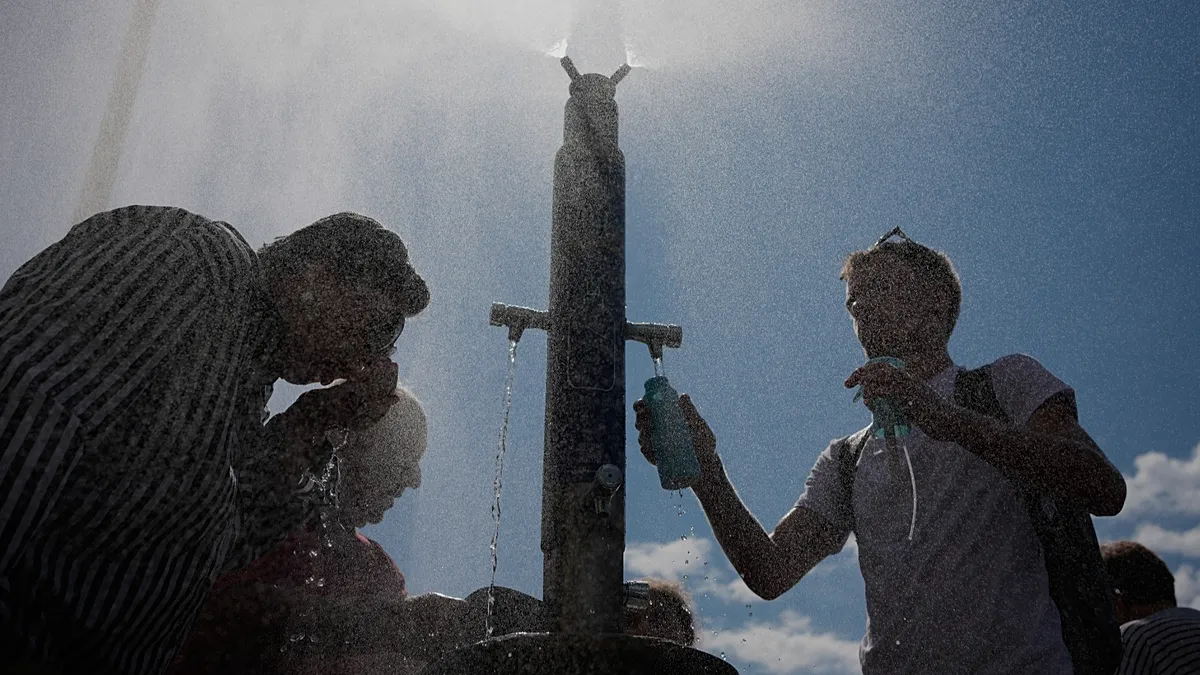
Roswall argued that natural resources such as water, energy, and arable land are increasingly central to national security. She explained how water scarcity, in particular, has the potential to disrupt food production, energy generation, and even trigger conflicts over access. “The EU’s environmental policy must address these interdependencies,” she noted, citing how global tensions often arise from competition over limited resources. For example, the ongoing US-Iran conflict has already impacted fertilizer supply chains in Europe, demonstrating how environmental dependencies can be exploited during times of crisis.
“Water isn’t just a resource—it’s vital for energy, food, and survival. When it becomes scarce, it creates problems that ripple into security,” Roswall said. She emphasized that the loss of critical natural assets could lead to energy shortages, food insecurity, and heightened military tensions, all of which threaten the EU’s strategic autonomy.
Natural Defences and Geopolitical Strategy
Roswall provided examples of how environmental management can serve as a strategic tool for defence. She referenced initiatives in Poland, Finland, and Lithuania, where the restoration of drained peatlands near eastern borders has been leveraged to create natural barriers against military incursions. These wetlands not only help combat climate change by sequestering carbon but also act as physical obstacles to tanks and other heavy vehicles, enhancing national security. “The EU’s environmental policy must incorporate these dual benefits,” she said, suggesting that such measures could be replicated across the continent to strengthen defences.
“We see how you can turn wetlands into border controls, and make it more difficult for an invasion to pass,” Roswall explained. This approach highlights the potential for environmental policy to align with defence objectives, offering a cost-effective and sustainable solution to security challenges.
Biodiversity Loss as a Security Risk
Roswall cited a recent UK report by the Department for Environment, Food and Rural Affairs (DEFRA) that identified biodiversity degradation as a key national security risk. The study, which involved intelligence agencies MI5 and MI6, revealed that the decline of ecosystems could weaken infrastructure, reduce food production, and create vulnerabilities in energy and water systems. “The EU’s environmental policy must prioritize biodiversity to mitigate these risks,” she said. The report’s findings align with Roswall’s vision, emphasizing that environmental neglect could exacerbate conflicts and destabilize regions.
Strategic Autonomy Through Circular Economy
Roswall highlighted the EU’s Circular Economy Act as a cornerstone of its efforts to reduce reliance on external markets for essential resources. The legislation, set for proposal in late 2026, aims to recover and reuse waste materials, decreasing dependence on imported raw materials like metals and plastics. “The EU’s environmental policy must drive innovation in resource efficiency,” she stated, noting that virgin materials are currently cheaper but becoming scarcer and more politically significant. By fostering a circular economy, the EU can enhance its energy security, food resilience, and overall strategic independence.
“We need to get rid of this dependency, and for this, consumers, policymakers, and businesses must shift their mindset,” Roswall concluded. The strategy underscores how environmental and defence priorities are converging to build a more sustainable and secure Europe.
Policy Synergy and Long-Term Resilience
Roswall urged EU member states to adopt a cohesive approach that integrates environmental and defence policies. She argued that climate change is no longer a separate issue but a cross-cutting challenge affecting all aspects of security. “The EU’s environmental policy must be a core component of its defence strategy to prepare for future threats,” she said. This includes investing in renewable energy infrastructure, protecting critical habitats, and ensuring supply chain resilience against environmental shocks. By aligning these agendas, the EU can create a more adaptive and robust framework for addressing both ecological and geopolitical risks.
“We have to think about the long-term. The EU’s environmental policy must not only tackle climate change but also safeguard against its security implications,” Roswall emphasized. Her remarks underscore the need for a forward-thinking strategy that merges environmental and defence priorities.