Revealed: The best ‘trip-maxxing’ routes for a four-city European break
Why limit yourself to a single destination when four cities await? A fresh travel phenomenon called "trip-maxxing" is transforming how explorers experience

Maximizing Your European Adventure: The Rise of Trip-Maxxing
Poinews.com – Why limit yourself to a single destination when four cities await? A fresh travel phenomenon called “trip-maxxing” is transforming how explorers experience Europe. Rather than dedicating an entire week to one location, travelers are now stitching together multi-city journeys that pack in diverse cultures, landmarks, and experiences. Despite initial concerns about cost and feasibility, this approach proves both practical and budget-friendly.
According to fresh analysis by FlixBus, numerous European corridors provide seamless connections alongside economical lodging options. The transportation firm examined locations throughout the continent accessible through its network, pinpointing four-destination itineraries where each leg takes less than five hours. Rankings relied on total journey duration, while individual stops received evaluations based on multiple criteria including hostel rates, guest ratings, and evening entertainment costs—defined as an inexpensive dinner paired with three beverages.
Additional metrics considered attraction density and nightlife availability within five kilometers of urban centers, plus UNESCO World Heritage locations situated within a hundred-kilometer radius. Every destination earned points on a ten-point scale, with complete routes accumulating totals out of forty across four primary categories: entertainment, heritage, affordability, and housing.
The Champion Route: Berlin to Budapest
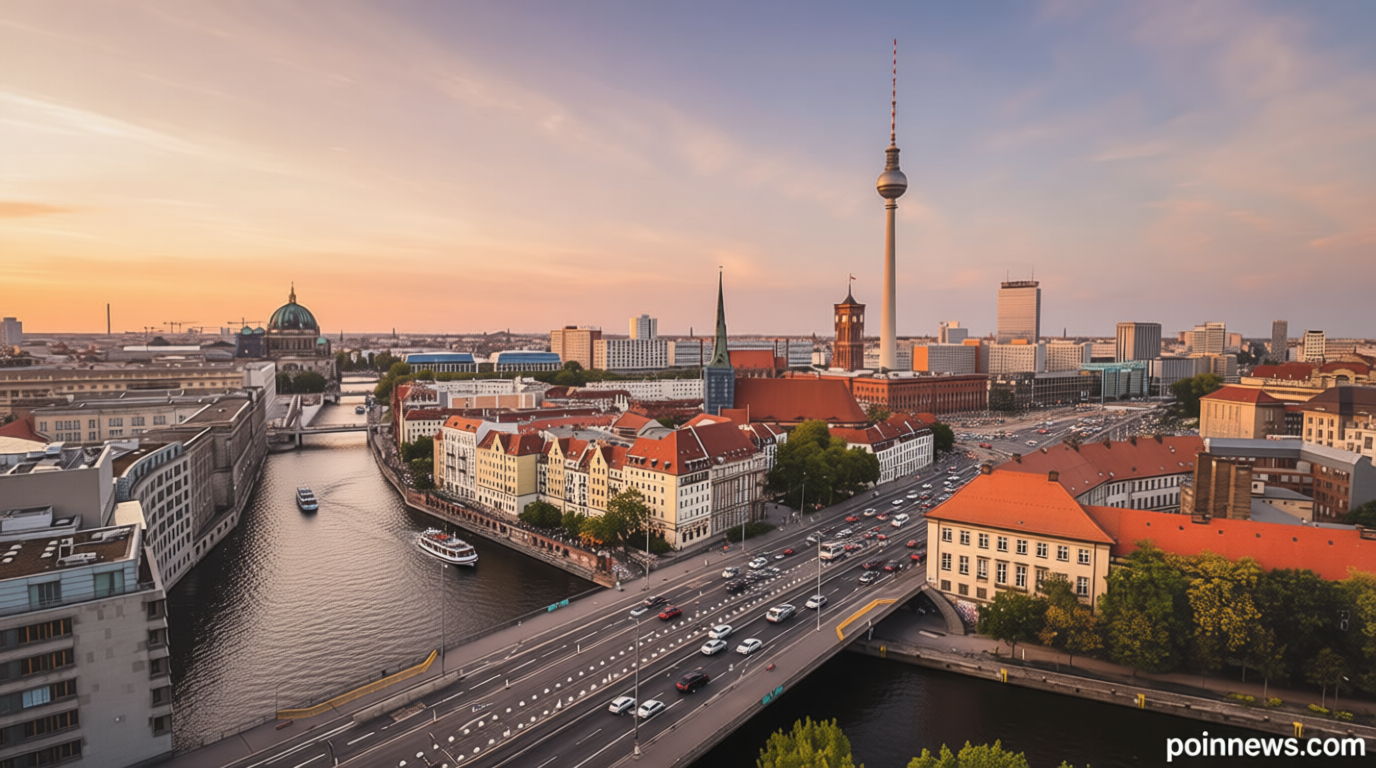
Claiming the top position with an impressive 28.8 out of 40 points, this Central European corridor excels across all evaluation areas. No single stop serves merely as a placeholder; each contributes unique value. Berlin leads the journey, earning highest marks for evening entertainment while offering profound historical significance and cultural richness. The German capital ranks among Europe’s finest walking destinations, featuring reasonably priced accommodations and exceptional activity density per square kilometer.
Prague follows less than five hours away by bus. This Czech capital showcases stunning Gothic architecture in its historic center, a magnificent castle perched on elevated ground, and the iconic Charles Bridge spanning the Vltava River. Budget-conscious visitors particularly appreciate its affordability.
Vienna presents a contrasting atmosphere, reachable within five hours by coach. Known for its leisurely rhythm, elegant cafés, and abundant cultural offerings, the Austrian capital rewards visitors with the Kunsthistorisches Museum Wien and the renowned Vienna State Opera. Streets lined with magnificent imperial buildings invite aimless exploration.
Budapest completes the circuit under four hours from Vienna. Thermal bathing traditions and distinctive ruin bars nestled within weathered courtyards define this Hungarian gem. The Danube River divides the city, crossed by the nineteenth-century Chain Bridge, while the Fishermen’s Bastion delivers panoramic vistas over the capital below.
The Budget Champion: Adding Bratislava
Securing the highest budget rating among all surveyed corridors, this alternative route achieved 28.1 points overall. Though sharing three destinations with the leading itinerary, Bratislava emerges as a comparatively undiscovered treasure. Located approximately four hours from Prague, Slovakia’s capital frequently gets overshadowed by larger metropolitan areas yet offers considerable appeal.
Visitors can stroll through charming cobblestone streets, ascend to Bratislava Castle for expansive Danube views, and sample local wines at independent establishments scattered throughout the city. While perhaps not the first choice for a solitary getaway, this destination proves invaluable when incorporated into a broader multi-city journey.
The Speed Demon: Berlin to Kraków
Sharing two stops with the leading two routes, this third option boasts one of the quickest cumulative travel durations at merely 11.7 hours. Its budget rating of 8.6 compensates for covering only three nations instead of four. Following Berlin and Prague, travelers reach Wroclaw in Poland after a three-hour ride. This third-largest Polish city spreads across numerous islands connected by over a hundred bridges, featuring a market square comparable to Prague’s yet considerably less crowded.
Explorers can wander through academic neighborhoods, discover the historic Cathedral Island, and search for the city’s celebrated bronze gnome sculptures concealed throughout various streets. The final leg brings travelers to Kraków, situated roughly three hours further east. Poland’s former royal seat contains one of Europe’s most intact medieval districts, where the expansive Rynek Główny market square stands encircled by Gothic churches, vibrant townhouses, and energetic cafés.