South Aegean bids for 2028 World Region of Gastronomy title
South Aegean Launches Bid for 2028 World Region of Gastronomy Title South Aegean bids for 2028 World - The South Aegean region, encompassing the Dodecanese

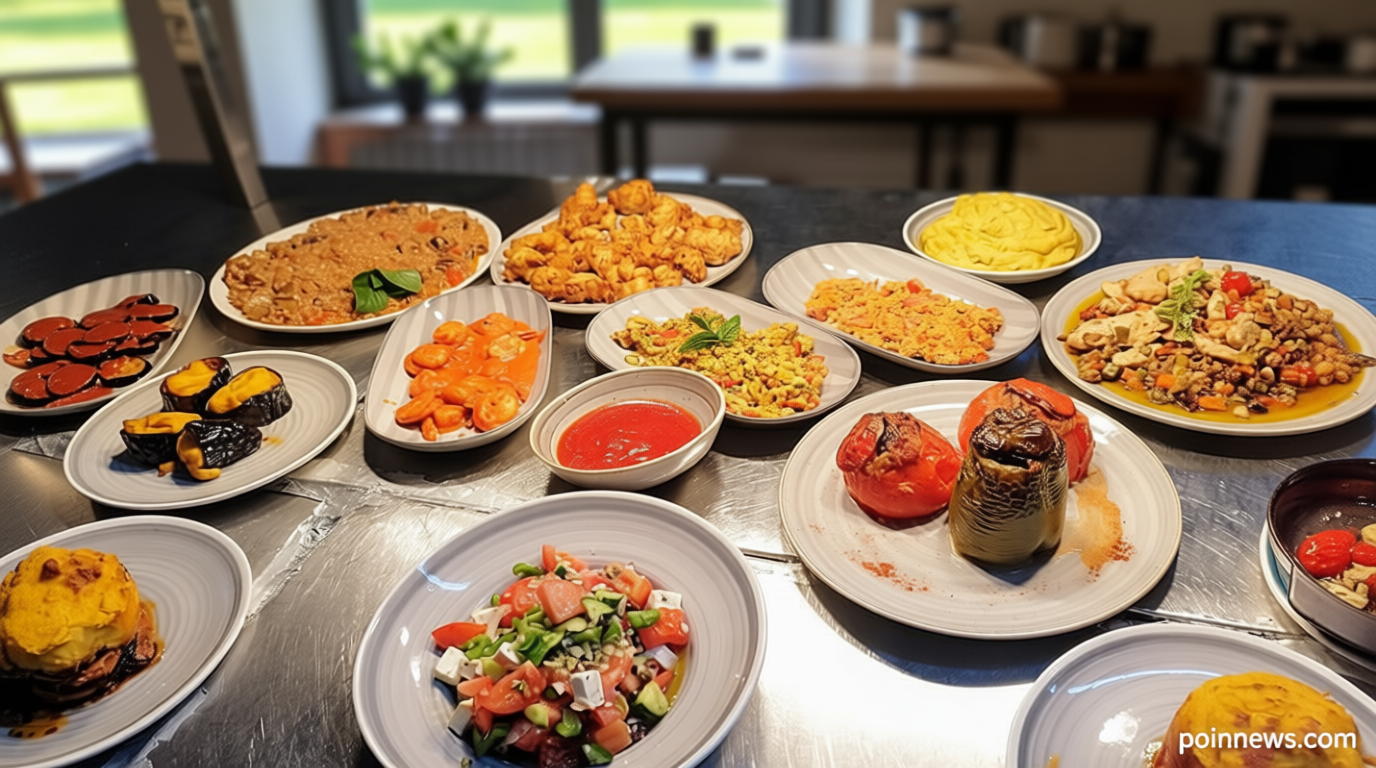
South Aegean Launches Bid for 2028 World Region of Gastronomy Title
Poinews.com – The South Aegean region, encompassing the Dodecanese and Cyclades islands, has officially launched its campaign to become the 2028 World Region of Gastronomy. This ambitious initiative, spearheaded by the South Aegean Regional Council, seeks to solidify the region’s reputation as a global hub for culinary excellence, eco-tourism, and cultural heritage. The bid marks a significant milestone, as it is the first time a Greek region has vied for this prestigious designation, following its earlier recognition as the European Gastronomy title in 2019. By focusing on the unique culinary traditions of its 50 inhabited islands, the South Aegean aims to showcase a harmonious blend of local ingredients, historical influences, and sustainable practices.
Central to the bid is the region’s commitment to elevating its gastronomic profile through strategic collaboration and innovation. The Regional Council has assigned the task to George Hatzimarkos, the current governor of South Aegean, who has been instrumental in fostering partnerships between local producers, chefs, and tourism stakeholders. This effort is part of a long-term vision to integrate gastronomy into the region’s broader cultural and economic frameworks, ensuring that its culinary identity remains a cornerstone of sustainable development. The bid also emphasizes the importance of preserving traditional recipes and techniques, which have been passed down through generations across the islands.
Building on Past Success and Expanding Ambitions
The South Aegean’s 2028 bid builds on a strategy that began in 2014, which focused on promoting the region’s gastronomic heritage through annual events, festivals, and international showcases. Since securing the European Gastronomy title in 2019, the region has intensified its efforts, with a greater emphasis on creating a unified brand that highlights the diversity of its islands’ cuisines. This includes not only supporting over 40 gastronomic events annually but also encouraging local producers to participate in global fairs, thereby amplifying their reach and showcasing the quality of regional specialties.
One of the key aspects of the bid is the development of gastronomic routes that connect visitors to the unique food cultures of each island. These routes will feature guided culinary experiences, workshops, and tastings, allowing tourists to engage with the local food scene in a meaningful way. Additionally, the initiative seeks to strengthen the region’s agri-food enterprises by providing them with resources and training, ensuring their long-term viability. The South Aegean also plans to launch educational programs aimed at both youth and professionals, fostering a new generation of chefs and culinary advocates who can carry forward the region’s traditions while embracing modern innovations.
Collaborative Networks and Key Partnerships
The success of the South Aegean’s bid hinges on the collaboration of 12 key organizations representing the region’s diverse stakeholders. These include the Chambers of Dodecanese and Cyclades, the University of the Aegean, hotelier associations from Rhodes, Kos, and Santorini, the Federation of Cultural Associations of Rhodes, and the Chefs’ Club of Dodecanese and Cyclades. The Union of Winemakers and Vine Growers of the Aegean Islands is also a vital partner, ensuring the region’s agricultural foundations are highlighted in the bid. This alliance underscores the importance of a unified approach, combining expertise from various sectors to create a comprehensive and compelling case for the 2028 title.
Among the initiatives, the ‘Gastro Zero Waste’ program stands out as a model for sustainable practices. This program aims to reduce food waste through innovative recycling methods and composting systems, aligning with the region’s broader environmental goals. By integrating waste reduction with culinary creativity, the South Aegean hopes to demonstrate its commitment to eco-conscious development. The region also emphasizes the role of cultural experiences in its bid, with each island offering a distinct culinary narrative that reflects its history, geography, and community. These efforts are designed to attract a global audience interested in both food and cultural immersion, positioning the South Aegean as a leader in the gastronomy sector.
George Hatzimarkos, the regional governor, has highlighted the significance of the bid in an official statement. “The islands’ culinary traditions are deeply rooted in their history, traditions, and hospitality,” he said. “This bid reflects our dedication to innovation, environmental stewardship, and sustainable development.” His comments reinforce the region’s vision of using gastronomy as a tool for economic growth, cultural preservation, and environmental sustainability. By linking local production, cultural heritage, and biodiversity, the South Aegean aims to present a holistic model that could inspire other regions worldwide.
As the region prepares for the 2028 designation, it is also looking to expand its international partnerships. These collaborations will be crucial in ensuring the bid meets the rigorous criteria set by the International Institute of Gastronomy, Culture, Arts and Tourism (IGCAT). The South Aegean’s strategy includes leveraging its rich natural resources and historical legacy to create a unique identity in the global gastronomy arena. This approach not only strengthens the region’s appeal but also ensures that its culinary traditions are preserved for future generations while adapting to contemporary tastes and sustainability standards.
The bid for the 2028 World Region of Gastronomy title is more than just a recognition of culinary excellence—it represents a transformative vision for the South Aegean. By intertwining gastronomy with tourism, education, and environmental practices, the region aims to set a benchmark for other destinations to follow. The 50+ initiatives outlined in the 2028 action plan are designed to create a sustainable and impactful legacy, ensuring that the South Aegean’s culinary heritage continues to thrive in a rapidly evolving global landscape. With its rich tapestry of flavors, traditions, and innovation, the region is poised to make a compelling case for the title it seeks in 2028.