Church of Sweden launches inquiry into PM’s wife over unspecified ethical concerns
Sweden's Lutheran Church Investigates PM's Wife Over Ethical Concerns Church of Sweden launches inquiry into - The Church of Sweden has officially launched an

Sweden’s Lutheran Church Investigates PM’s Wife Over Ethical Concerns
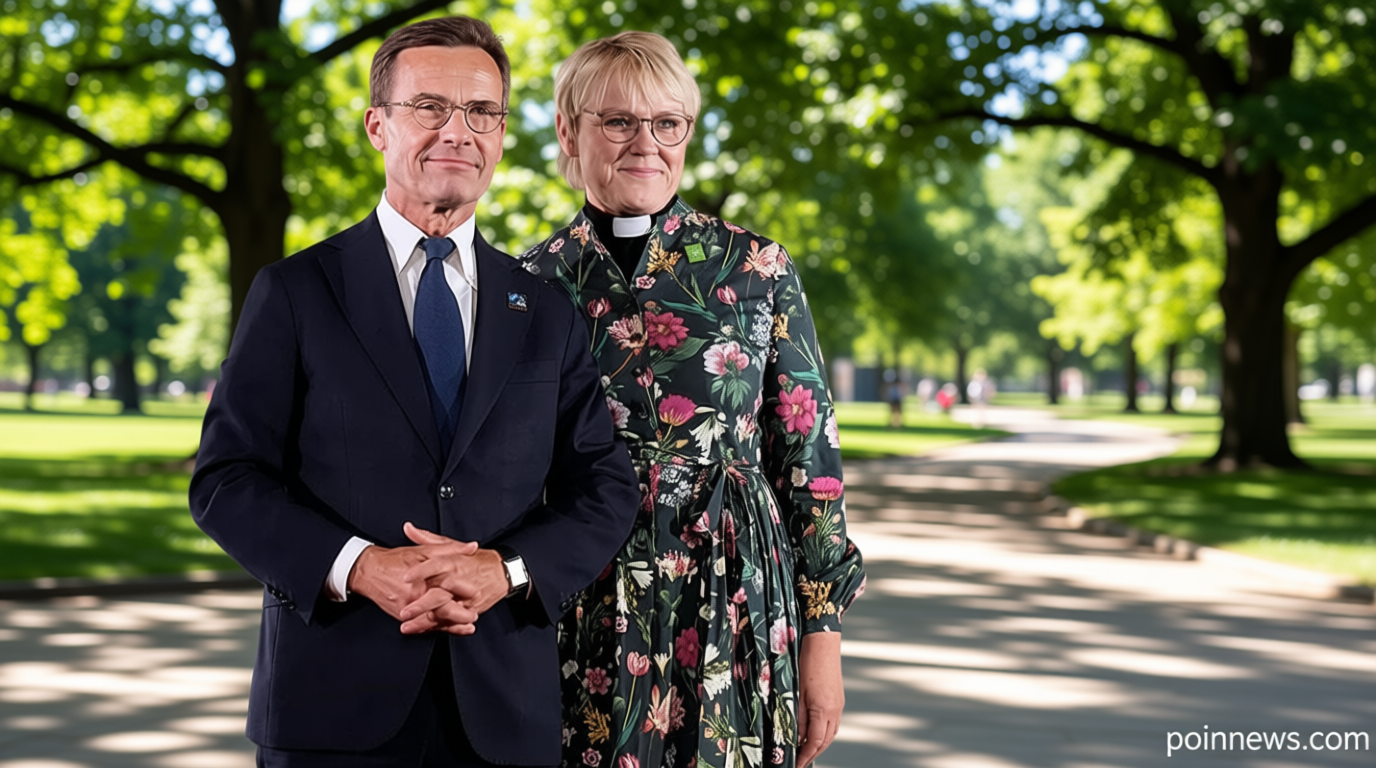
Poinews.com – The Church of Sweden has officially launched an inquiry into the wife of Prime Minister Ulf Kristersson, Birgitta Ed, following unspecified ethical concerns raised by the media. This development marks a significant moment in the country’s religious and political landscape, as the nation’s largest Protestant church scrutinizes the actions of a high-profile individual within its ranks. While the exact nature of the allegations remains unclear, the investigation has already sparked discussions about the intersection of faith, governance, and personal conduct.
Scope and Context of the Inquiry
The investigation, led by Birgitta Ed’s local diocese, is examining her role as a Lutheran priest and her involvement with Fållöknastiftelsen, a spiritual foundation she heads. Recent reports from Aftonbladet suggest that the foundation has been leveraging connections within the Church of Sweden to secure donations and enhance its visibility. Activities under Ed’s leadership have reportedly included organizing volunteer efforts for fundraising and renovation projects at the foundation’s manor house, with participants promised access to exclusive networks and meetings at the prime minister’s official residence.
“The Church of Sweden has initiated a formal inquiry into Birgitta Ed’s conduct, focusing on potential ethical breaches within her spiritual foundation,” a statement from the diocese clarified. “This process will assess whether her actions align with the values and standards upheld by the church.”
The inquiry is expected to last several months, with findings potentially leading to disciplinary measures such as written reprimands, probationary periods, or even a declaration of ineligibility for ordained duties. These sanctions underscore the gravity of the situation and the church’s commitment to maintaining integrity within its leadership.
Political and Religious Implications
As the Church of Sweden delves deeper into this matter, it is not only addressing internal ethics but also navigating its relationship with the Swedish government. The inquiry coincides with the country’s approach to legislative elections in September, adding a layer of political sensitivity to the religious investigation. Opinion polls indicate a tight race, with the left-wing opposition gaining momentum against Kristersson’s right-wing coalition, which includes the far-right Sweden Democrats. This timing may influence public perception of the church’s role in the political sphere.
Birgitta Ed’s position as a prominent figure in both the church and the political community has made her a focal point of scrutiny. Her leadership of Fållöknastiftelsen has been linked to initiatives that blend religious outreach with strategic networking. Critics argue that these activities could create conflicts of interest, particularly given her proximity to the prime minister. However, supporters maintain that her work supports the church’s broader mission and community engagement. The Church of Sweden’s decision to act highlights its proactive stance in addressing potential issues, even when the specifics are not yet public.
Historical Background and Institutional Response
The Church of Sweden, with approximately 5.4 million members in a population of 10.6 million, has long been a key institution in Swedish society. However, its relationship with the government has been strained since 2000, when it broke ties with the state after a controversial merger was dissolved. This latest inquiry could further shape the church’s public image, especially as it seeks to maintain its independence amid political pressures. The diocese has emphasized that the process is transparent and aims to uphold the highest standards of ethical behavior within its clergy.
While the Church of Sweden has not yet released detailed findings, the inquiry is part of a broader effort to ensure accountability across its ranks. This includes examining how church officials interact with political figures and whether such relationships are free from bias or influence. The case of Birgitta Ed has become a symbol of the challenges faced by religious institutions in balancing their spiritual mission with the realities of public engagement and political influence. As the investigation progresses, it may serve as a model for similar cases in other religious bodies, both in Sweden and abroad.