Deadly Israeli strikes hit Lebanon as Middle East tensions escalate
Deadly Israeli strikes hit Lebanon as Middle East tensions escalate Deadly Israeli strikes hit Lebanon as Middle - Deadly Israeli strikes hit Lebanon, marking

Deadly Israeli strikes hit Lebanon as Middle East tensions escalate
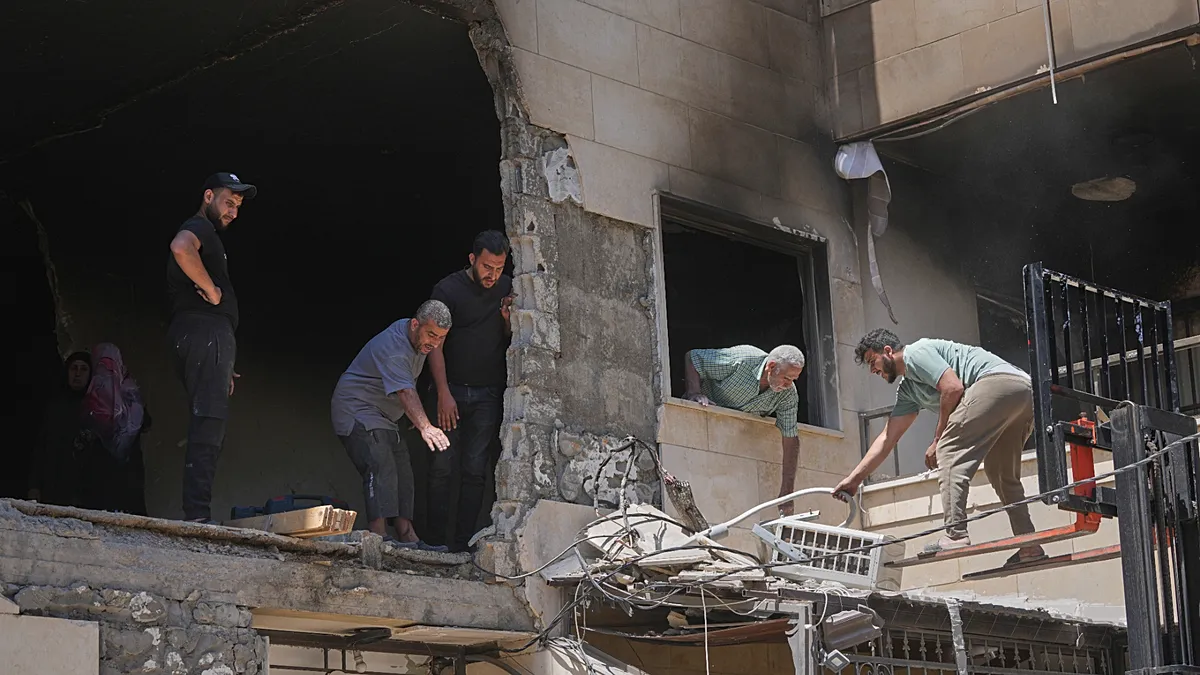
Poinews.com – Deadly Israeli strikes hit Lebanon, marking a significant escalation in the ongoing conflict as the war in the Middle East enters its 100th day. The Lebanese Health Ministry confirmed at least two civilians were killed and 22 others injured in an airstrike that targeted the southern town of As-Saksakiyah. Among the wounded were three children and one woman, underscoring the devastating impact of the attacks on local communities. The strikes, which occurred in the early hours of the morning, were part of a broader campaign by Israel to target Hezbollah infrastructure and disrupt its operations along the border. This latest incident has intensified fears of a prolonged conflict, with both sides showing little sign of de-escalating tensions despite international calls for a ceasefire.
Context of the Escalating Conflict
The conflict, which began in late 2023, has seen a steady increase in violence as Israel seeks to counter Hezbollah’s growing influence in the region. Over the past year, the Israeli military has launched multiple offensives, targeting not only Hezbollah positions but also civilian areas in Lebanon. The 100th day of the war has become a symbolic milestone, highlighting the endurance of the fighting and the deepening humanitarian crisis. Analysts note that the strikes in As-Saksakiyah are part of a coordinated effort to weaken Lebanon’s resistance capabilities, with Israeli forces focusing on key supply routes and communication hubs. The attacks have drawn sharp criticism from Lebanon’s government and international observers, who accuse Israel of disproportionate force and failing to distinguish between combatants and civilians.
“The strikes in As-Saksakiyah have once again demonstrated the vulnerability of Lebanon’s civilian population to the conflict,” said a statement from the Lebanese Ministry of Health.
Meanwhile, the Lebanese Army reported that three of its soldiers were killed in a separate strike attributed to the Israel Defense Forces (IDF). The incident involved a military vehicle that was hit by air-to-ground missiles while transporting personnel near the border. The IDF cited suspicions that the vehicle was moving toward their positions and had previously engaged in gunfire in the area. The Lebanese military described the attack as “aggressive and barbaric,” emphasizing the lack of warning and the strategic targeting of military assets. This event has raised questions about the IDF’s tactics and the role of Lebanon as a proxy battleground in the wider regional conflict.
The Human Cost of Escalation
The toll of the conflict continues to rise, with the latest strikes adding to the growing casualty count. According to Lebanese health officials, over 1,200 civilians have been killed and more than 5,000 injured since the war began. The As-Saksakiyah attack, which struck a residential area, has sparked outrage among local residents and human rights organizations. The UN has warned that the conflict is pushing Lebanon closer to a humanitarian catastrophe, with thousands of people displaced from their homes and essential services in jeopardy. The strikes have also disrupted critical infrastructure, including power plants and water treatment facilities, leaving communities without electricity and clean water for extended periods.
“Every strike brings us closer to a full-scale crisis. The people of Lebanon are bearing the brunt of this war,” stated a representative from the UN Relief and Works Agency.
Amid the devastation, survivors described the chaos and fear that accompanied the attacks. One witness, a local resident, said, “The sky lit up like daylight. When the explosion hit, we ran for cover, but it was too late for some.” The psychological trauma of the strikes has added to the physical destruction, with many families now living in fear of nightly air raids. The Lebanese government has called for increased aid and international support, but tensions with Israel have made negotiations difficult. As the conflict drags on, the question of how long the civilian population can endure without significant relief remains a pressing concern.
International Reactions and Diplomatic Efforts
Deadly Israeli strikes hit Lebanon have drawn condemnation from global leaders, with some countries urging Israel to scale back its operations. France, a key ally of Lebanon, expressed concern over the humanitarian toll and called for an immediate halt to the violence. Meanwhile, the United States, which initially supported the strikes on Tehran in early 2024, has reiterated its commitment to a balanced approach. However, the EU has criticized Israel for not adhering to international humanitarian law, pointing to the As-Saksakiyah attack as a clear example of civilian casualties. These mixed reactions reflect the complex geopolitical landscape, where allies and adversaries alike grapple with the consequences of the escalating war.
Despite the international outcry, diplomatic efforts to broker a ceasefire have stalled. Lebanon’s government has been actively negotiating with Israel and Iran, seeking a resolution that would allow the country to reclaim control of its border regions. However, the Israeli military has maintained that its actions are necessary to neutralize Hezbollah’s threat. The ongoing stalemate has led to a cycle of attacks and counterattacks, with neither side willing to compromise. As the conflict reaches its 100th day, the situation in Lebanon remains precarious, with the potential for further escalation looming large.
“The people of Lebanon are not just casualties of war—they are its victims. We need urgent international intervention to protect them,” said a spokesperson for the Lebanese National Council for Human Rights.
With the conflict showing no signs of slowing, the impact on Lebanon’s economy and social fabric is becoming increasingly severe. The destruction of infrastructure has crippled the country’s already fragile recovery efforts, while the displacement of tens of thousands of people has strained neighboring countries. The situation also raises concerns about the long-term stability of the region, as the war threatens to spill over into Syria and Jordan. As deadly Israeli strikes hit Lebanon, the world watches closely, hoping for a breakthrough that could prevent further bloodshed and bring the 100-day mark to an end with peace rather than peril.